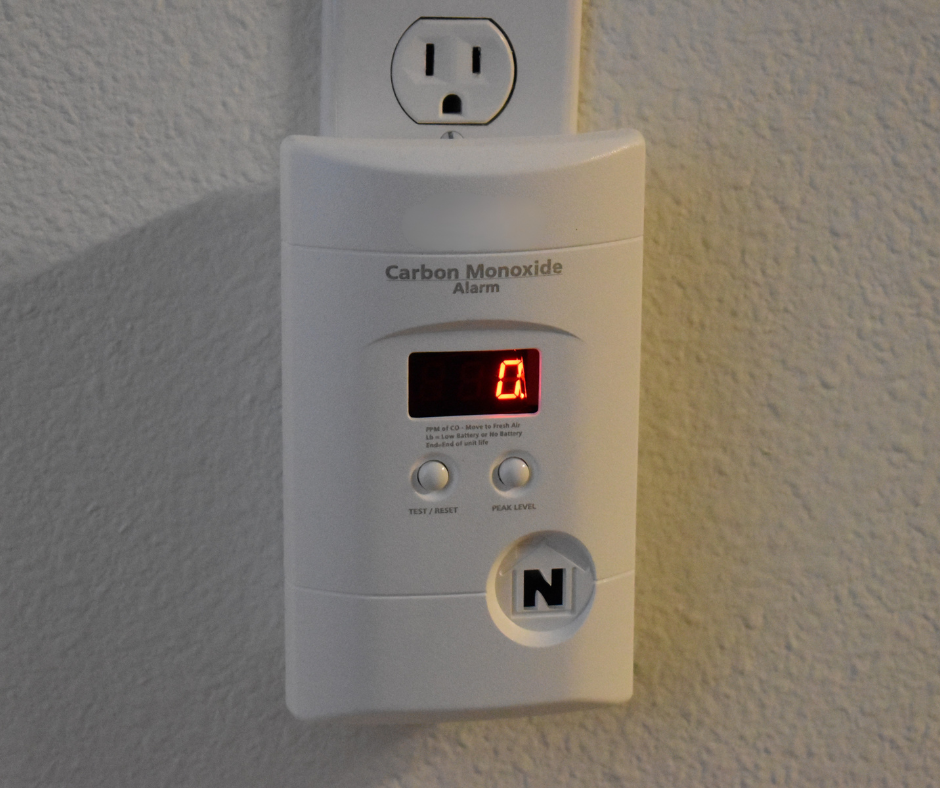
The Danger You Can’t Smell—Protection You Can Install.
Carbon Monoxide Poisoning Prevention
What to know about Carbon Monoxide (CO)
Carbon monoxide poisoning occurs when carbon monoxide builds up in the blood. When too much carbon monoxide is in the air, carbon monoxide replaces oxygen in the red blood cells. This can lead to serious tissue damage or even death.
Carbon monoxide is a gas that has no odor, taste or color. It comes from burning fuels, including gasoline, wood, propane or charcoal. Appliances and engines that aren’t well vented can cause the carbon monoxide to build up to dangerous levels. A tightly enclosed space makes the buildup worse.
Anyone exposed to carbon monoxide needs to get into fresh air and seek medical care right away. Call 911 or emergency medical services right away for someone who is not conscious or can’t respond.
Did you know?
Illinois requires carbon monoxide alarms
As of January 1, 2007, homeowners, landlords, and building owners are required to install carbon monoxide (CO) detectors within 15 feet of rooms used for sleeping. This law applies only to those occupancies that use fossil fuel to cook, heat, or produce hot water, or occupancies that are connected to an enclosed garage.
The carbon monoxide detector may be battery operated, plug-in with battery back-up, or wired into the home’s AC power with a secondary battery back-up. It must also bear the label of a nationally recognized testing laboratory and must comply with the most recent standards of the Underwriters Laboratories or the Canadian Standard Association.
For more information about the law, please click see Public Act 094-0741or contact your local building commissioner.
Symptoms
Carbon monoxide poisoning affects the brain and heart the most. Exposure over time might lead to symptoms that can be mistaken for the flu withou the fever. Clearer symptoms of carbon monoxide poisoning can include:
- Headache
- Weakness
- Dizziness
- Nausea or vomiting
- Shortness of breath
- Confusion
- Blurred vision
- Drowsiness
- Loss of muscle control
- Loss of consciousness
Symptoms related to the nervous system and brain can come on after recovery from carbon monoxide poisoning. The risk of these is higher in older people and people who lost consciousness from breathing carbon monoxide. Symptoms might include:
- Memory loss.
- Personality changes.
- Movement problems.
Carbon monoxide poisoning can be especially dangerous for people who are asleep or have used illicit drugs, alcohol or medicines that make them very sleepy. Carbon monoxide poisoning can cause brain damage or death before anyone realizes there’s a problem.
*Above information was obtained from www.mayoclinic.org.
Safety Tips
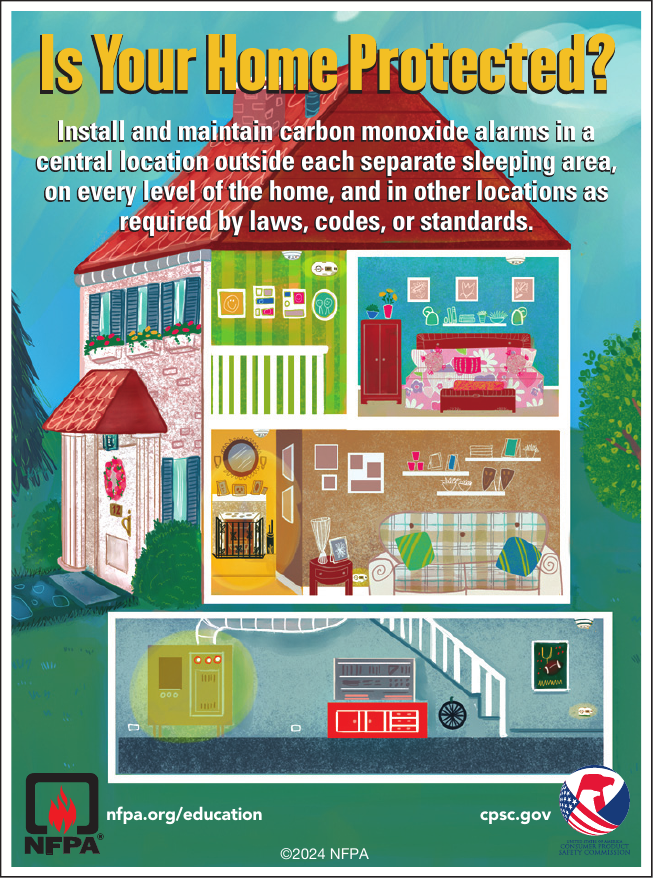
- CO alarms should be installed in a central location outside each sleeping area and on every level of the home and in other locations where required by applicable laws, codes or standards. For the best protection, interconnect all CO alarms throughout the home. When one sounds, they all sound.
- Follow the manufacturer’s instructions for placement and mounting height.
- Choose a CO alarm that has the label of a recognized testing laboratory.
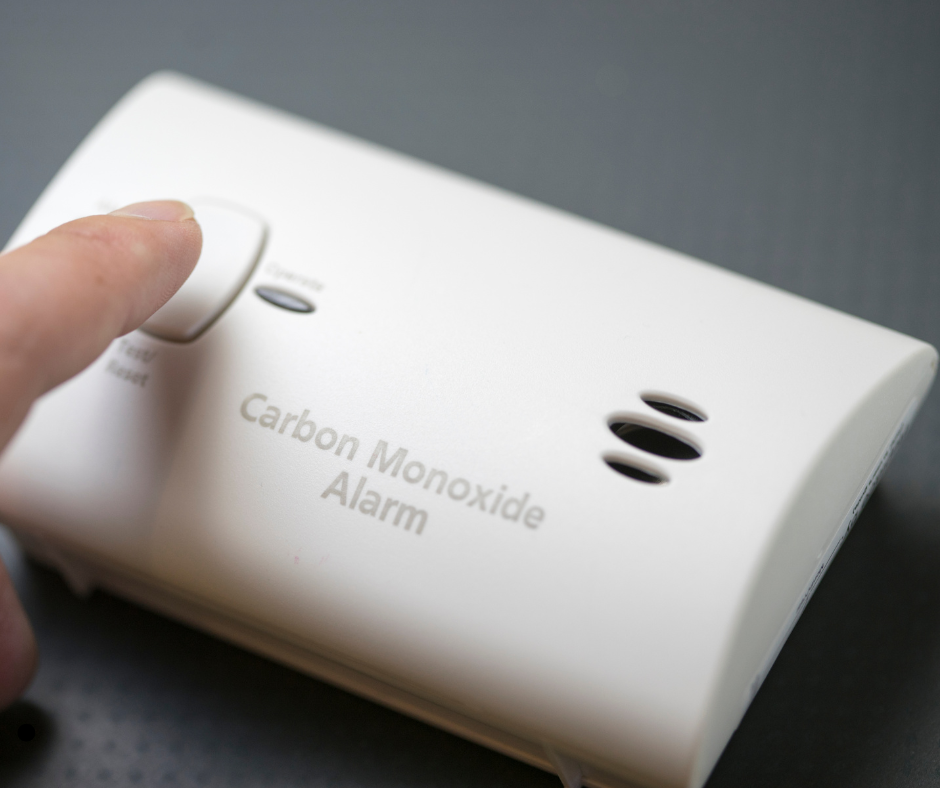
- Test CO alarms at least once a month; replace them according to the manufacturer’s instructions.
- If the audible trouble signal sounds (a single beep or chirp), check for low batteries. If the battery is low, replace it.
- If the CO alarm sounds, immediately move to a fresh air location outdoors or by an open window or door. Make sure everyone inside the home is accounted for. Call for help from a fresh air location and stay there until emergency personnel arrives.
- If you need to warm a vehicle, remove it from the garage immediately after starting it. Do not run a vehicle or other fueled engine or motor indoors, even if garage doors are open. Make sure the exhaust pipe of a running vehicle is not covered with snow.
- During and after a snowstorm, make sure vents for the dryer, furnace, stove, and fireplace are clear of snow build-up.
- A generator should be used in a well-ventilated location outdoors away from windows, doors and vent openings.
- Gas or charcoal grills can produce CO — only use outside.
How much carbon monoxide is dangerous?
Levels of CO exposure range from low to dangerous: (PPM=Parts Per Million)
- Low level: 50 PPM and less
- Mid level: Between 51 PPM and 100 PPM
- High level: Greater than 101 PPM if no one is experiencing symptoms
- Dangerous level: Greater than 101 PPM if someone is experiencing symptoms
Here are some of the symptoms you can expect from CO exposure:
- 50 PPM None for healthy adults. According to the Occupational Safety & Health Administration (OSHA), this is the maximum allowable concentration for continuous exposure for healthy adults in any eight-hour period.
- 200 PPM Slight headache, fatigue, dizziness, and nausea after two to three hours.
- 400 PPM Frontal headaches with one to two hours. Life threatening after three hours.
- 800 PPM Dizziness, nausea, and convulsions withn 45 minutes. Unconsciousness within two hours. Death within two to three hours.
- 1,600 PPM Headache, dizziness, and nausea within 20 minutes. Death within one hour.
For more information about your specific alarm, refer to your user’s manual.
Installation
- Choose a CO alarm that is UL approved.
- Install outside each separate sleeping areas, on every level of the home, and in other locations as required by laws, codes, or standards. Follow manufacturer’s instructions for placement and mounting height.
- For the best protection, have CO alarms interconnected throughout the home.
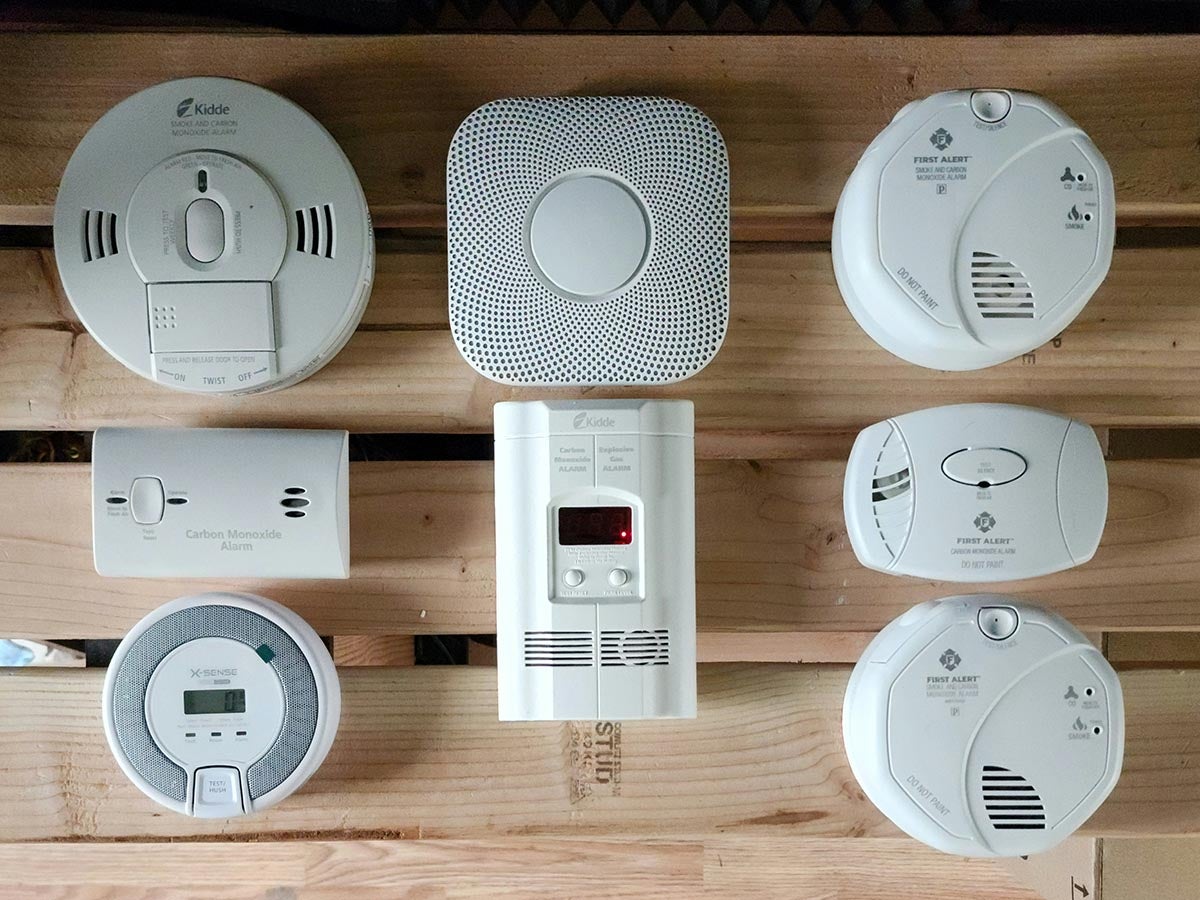
- If you have combination smoke-CO alarms, follow the directions for smoke alarm installation.
- CO alarms are not substitutes for smoke alarms and vice versa.
- Know the difference between the sounds of smoke alarms and CO alarms.
- 4 beeps, 5 second pause, 4 beeps = active CO: get outside to fresh air and call 9-1-1
- 1 beep every minute = low battery/end-of-life of unit; replace immediately
- “Lb” on display = low battery
How to prevent carbon monoxide in the home:
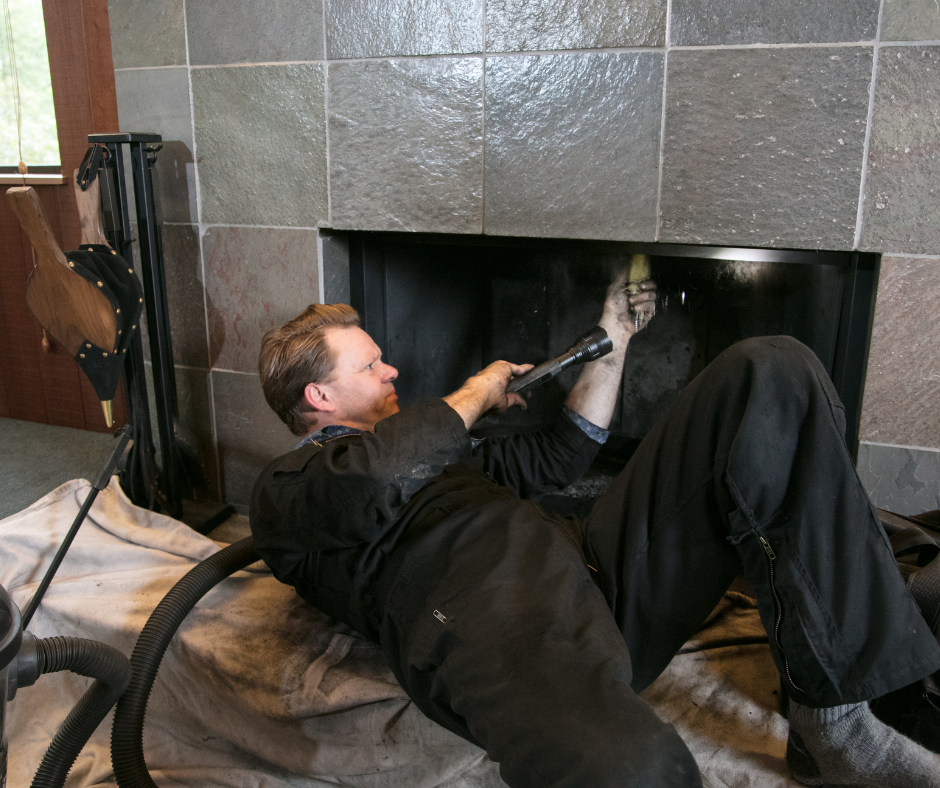
Inside the Home
- Have fuel-burning heating equipment (fireplaces, furnaces, water heaters, wood stoves, coal stoves, space heaters and portable heaters) and chimneys inspected by a professional every year.
- Open the damper for proper ventilation before using a fireplace.
- Never use an oven or stovetop to heat your home.
- Purchase heating and cooking equipment that is UL listed.
- Vent the exhaust from fuel-burning equipment to the outside to avoid poisoning.
- Use only battery-powered lights in confined areas, such as tents.
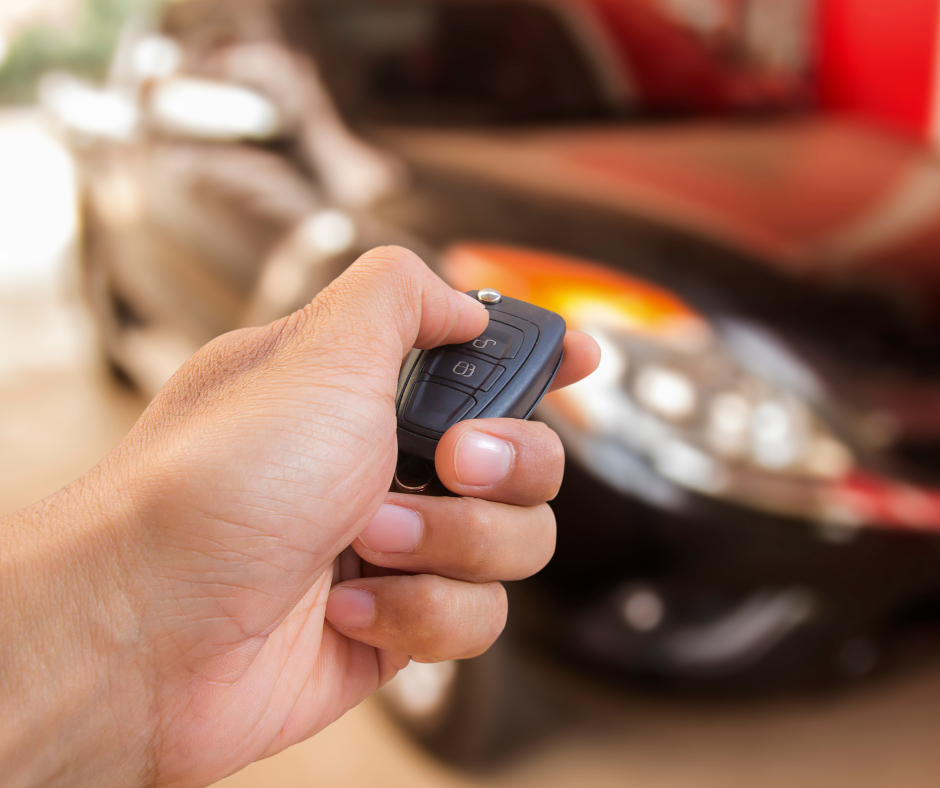
Motor Vehicles
- Remove vehicles from the garage right away after starting.
- Never run a vehicle or other fueled engine or motor in a garage, even if the garage door is open.
- Make sure the exhaust pipe of a running vehicle is not blocked with snow, ice, or other materials.
- Check to make sure your vehicle is off it is in the garage and if you have an automatic engine starter, or key fob.
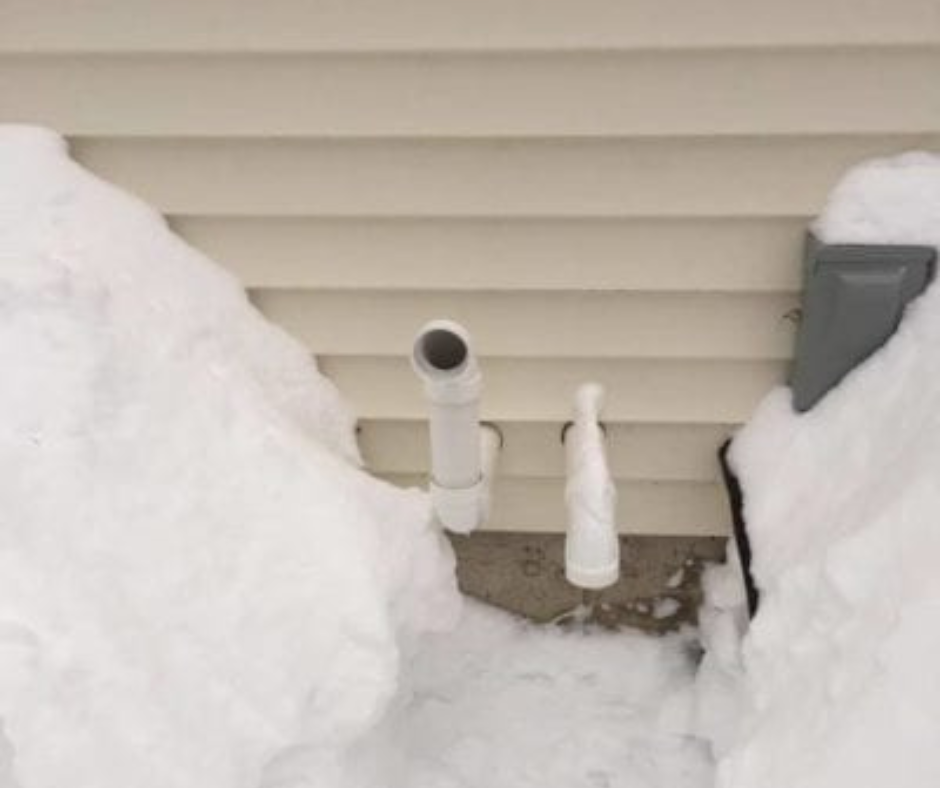
Appliances
- Make sure vents for the dryer, furnace, stove, and fireplace are clear of snow and debris.
- Always use BBQ grills outside, away from all doors, windows, vents, and other building openings. Never use grills inside the home or garage, even if the doors are open.
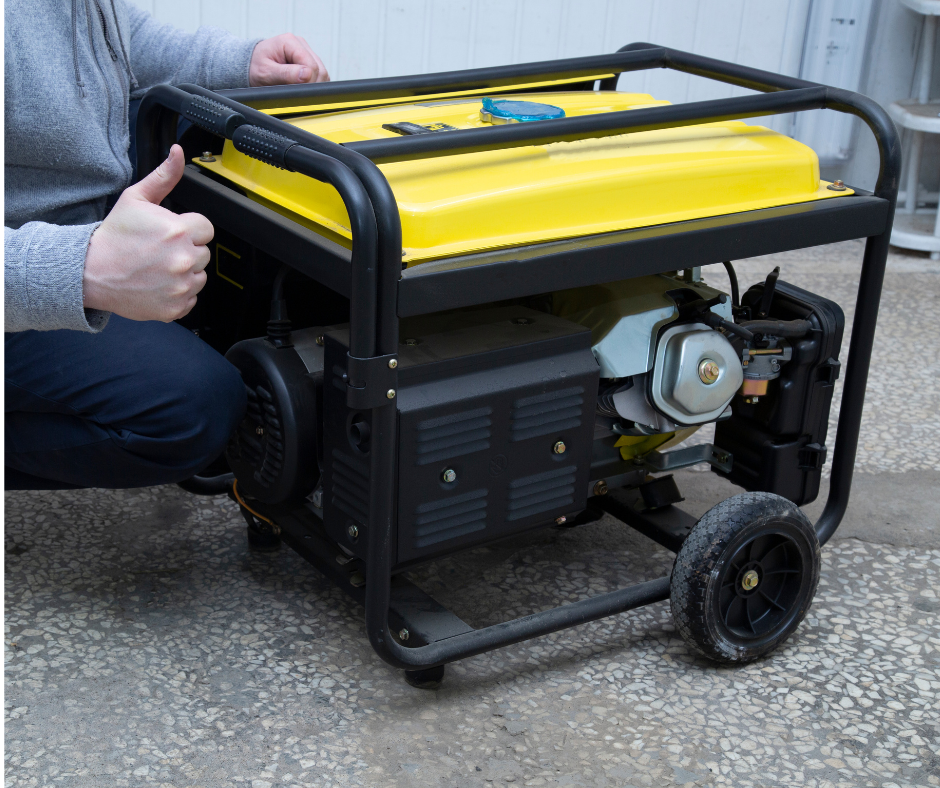
Portable Generators
- Use portable generators outdoors in well-ventilated areas at least 5 feet away from all doors, windows, and vent openings.
- Never use a generator in an attached garage, even with the door open.