
Protect our Outdoors
Wildland and Campfire Safety
Learn how to safely enjoy campfires and outdoor activities while helping prevent wildfires in our community.
Wildland Fire Safety
What is a Wildfire?
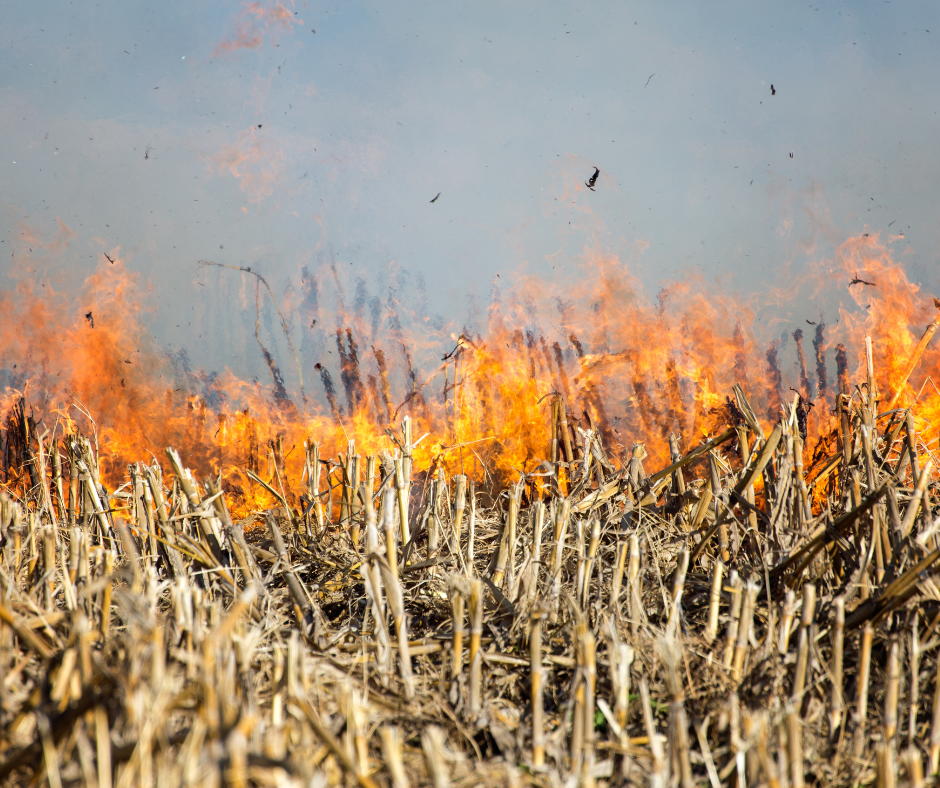
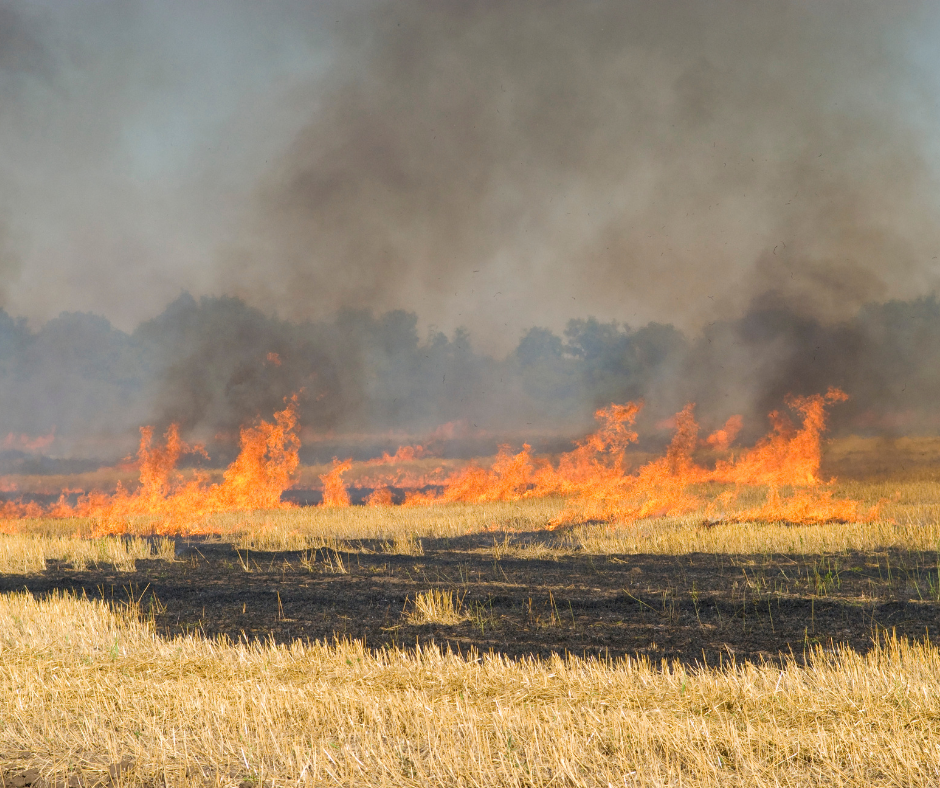
A wildfire is an uncontrolled fire that can spread quickly in forests, grasslands, or rural areas. They can happen almost anywhere. Wildfires are more likely to happen during the summer and fall, especially during a drought when leaves and branches are dry and flammable.
What Causes Wildfires?
🔥 Natural causes
- A lightning strike can ignite dry plants
- Lava and Ash can spark fires
- Spontaneous combustion
- Heat from decaying leaves and branches
🔥 Humans
- Setting fires on purpose (this is illegal), also known as Arson.
- Campfires or barbecues that are left unattended or not properly put out.
- Discarded cigarettes or broken glass focusing sunlight
🔥 Sparks from machinery like trains or vehicles
Wildfire Safety Rules
- Before a wildfire
- have a disaster plan and make sure you know if you live in a wildfire prone area
- prepare an emergency kit with food, water, a flashlight, and other supplies
- During a wildfire
- evacuate immediately, if told to do so
- wear protective clothing and stay away from fire hazards
- choose a safe route to leave the area
- After a wildfire
- stay away until officials say it’s safe to return
Download our Wildland Evacuation Checklist
*All links on this page will open up in new tabs
What is a Red Flag Warning?
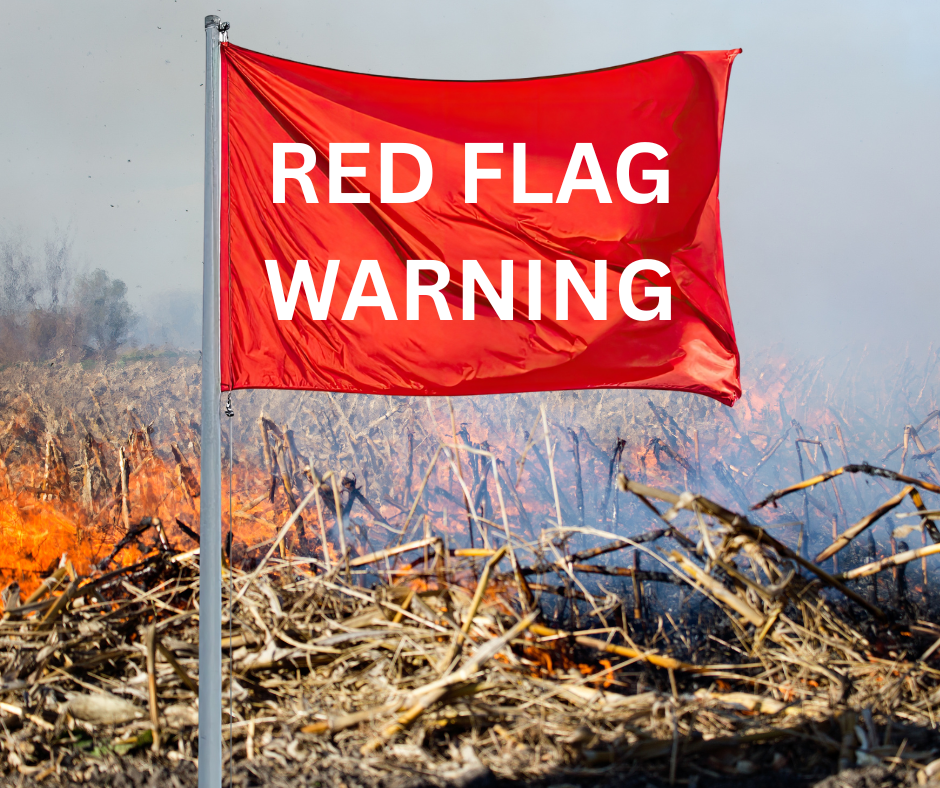
A Red Flag Warning is a high-level alert issued by the National Weather Service when warm temperatures, very low humidity, and strong winds combine to create extreme fire danger. These conditions mean that any fire that starts can spread rapidly and become difficult to control.
For the public, a Red Flag Warning signals very high fire risk and an increased chance of fast-spreading vegetation fires.
During a Red Flag Warning:
-
Do not conduct any outdoor burning.
-
Avoid activities that can create sparks, such as grilling, welding, or using lawnmowers in dry grass.
-
Properly extinguish cigarettes and other smoking materials.
Even a small spark can quickly turn into a large fire under these conditions, so extra caution is essential.
Village of Minooka Burning of Waste Materials Ordinance
What is Prescribed Burning?
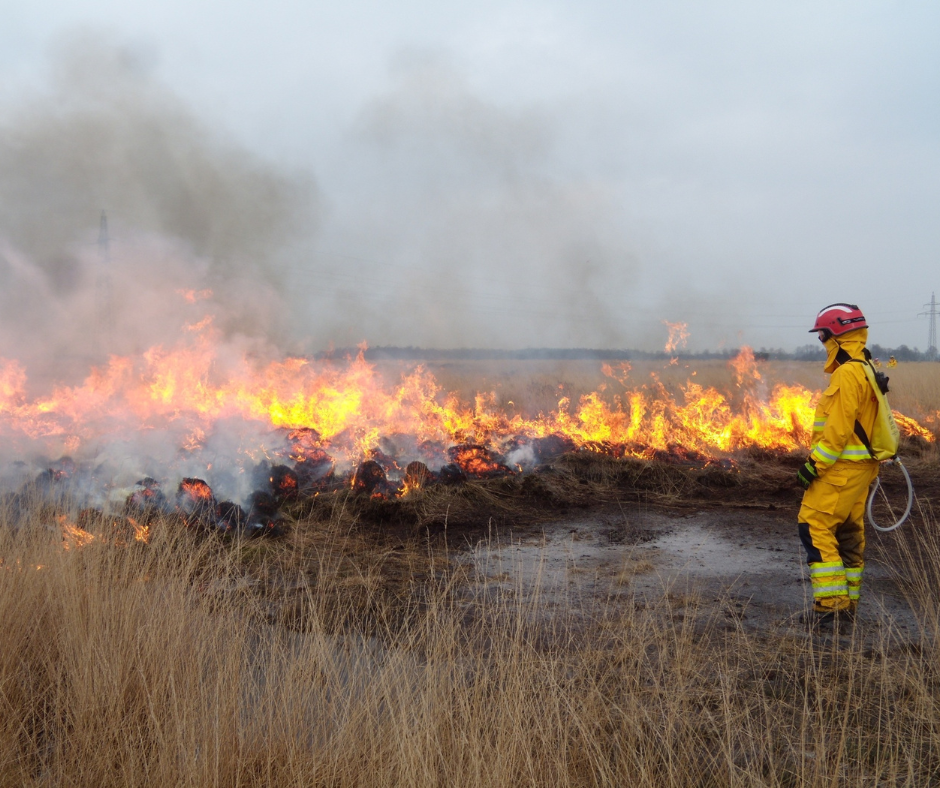
Prescribed (or “controlled”) burning is a means of reintroducing this natural process. A controlled burn involves identifying the area to be burned (the “burn unit”), establishing control lines in order to prevent the fire from burning unintended areas, and intentionally setting the burn unit on fire.
Fire can also be an important tool to attain specific maintenance objectives such as controlling tree and shrub growth along the embankment of a flood control reservoir where the roots systems can threaten structural integrity. The disturbance created by periodic fires is important in maintaining our remnant oak/hickory forests and savannas.
Controlled burning is also an important tool providing many benefits for restoring our natural plant communities to lands that have been disturbed. Fire is used to clear the ground of existing vegetation in preparation of seeding and planting more desirable plant species. Burning allows the seeds to make better contact with the soil and therefore improves the chances of successful germination.
Fire is used to reduce the competition between weedy species and native species as a restoration area matures to encourage better establishment of the native vegetation which slowly displaces the weeds. Controlled burning also returns nutrients to the soil, making them readily available for the next generation of vegetation growth.
For more information about Prescribed Burning, visit Will County Forest Preserve District
Campfire Safety
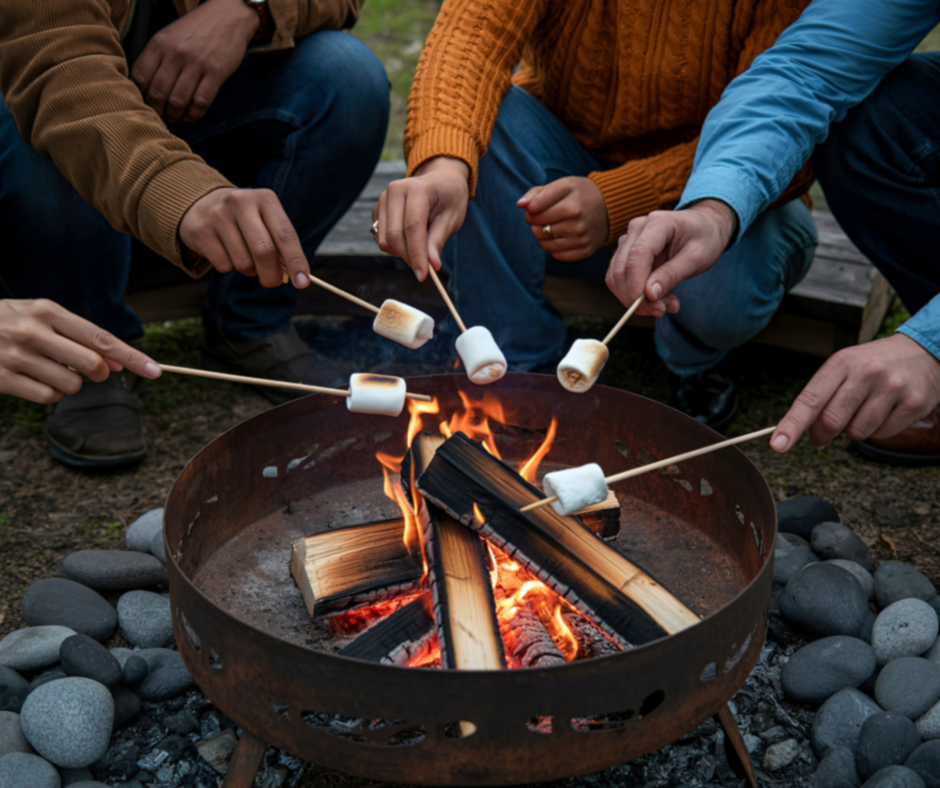
Sitting under the stars by a crackling fire has its appeal. It’s where stories are told, sing-a-longs happen, and meals are cooked over an open flame. Campfires bring family and friends together. But campfire mishaps can cause injuries. With a few safety tips, you can prevent these accidents.
- Make sure you are at a site that allows campfires. If campfires are permitted, they need to be at least 25 feet away from any structure and anything that can burn.
- Make sure there are no burn bans and it’s not too windy.
- Dig a pit away from overhanging branches.
- Circle the pit with rocks.
- Clear a 10-foot area around the pit down to the dirt, removing anything that could catch on fire.
- Stack extra wood upwind and away from fire.
- After lighting, throw the match into the fire.
- Never use gasoline or other flammable or combustible liquids.
- Never leave a campfire unattended; an adult should supervise the campfire at all times. Watch children while the fire is burning. Never let children or pets play or stand too close to the fire.
- Attend to the campfire at all times. A campfire left alone for only a few minutes can grow into a damaging fire.
- Keep a campfire small which is easier to control.
- Keep a bucket of water and shovel nearby.
- Never put anything but wood into the fire.
- Do not pull sticks out of the fire.
- Do not sit on the fire ring or rocks around the campfire. They will heat up quickly and they’ll stay hot for a long time.
- If your clothes catch fire, stop, drop, and roll. Stop, drop to the ground and cover your face with your hands. Roll over and over or back and forth until the fire is out.
- Treat a burn right away. Cool the burn with cool water for 3 to 5 minutes. Cover with a clean, dry cloth. Get medical help if needed.
- When it’s time to put the fire out, dump lots of water on it, stir it with a shovel, then dump more water on it. Make sure it is COLD before leaving the campsite. If it’s too hot to touch, it’s too hot to leave!
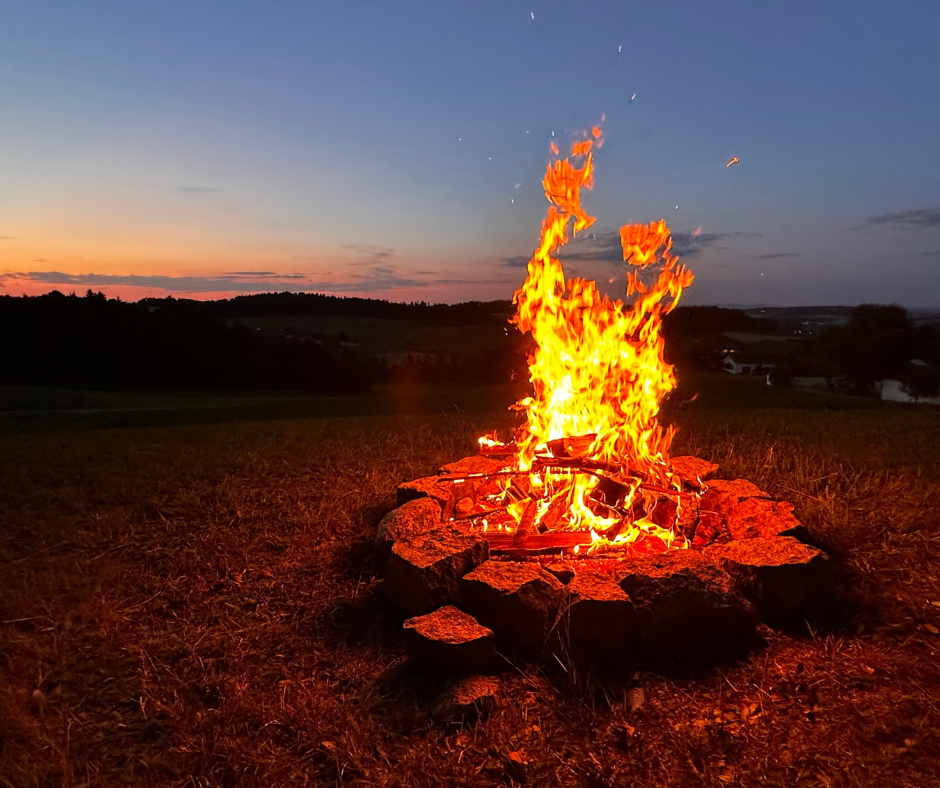
In the United States, nearly nine out of 10 wildfires are caused by people not being careful. Help prevent these types of fires by learning to be careful and helping others do the same. For more information, visit: Campfire Safety from Smokey Bear!