Be Prepared Before the Storm Arrives
Severe Weather Safety
Severe weather can strike quickly—learn how to protect your family by preparing ahead of time, staying informed, and knowing what to do when storms threaten your area.
Are You Prepared?
Hundreds of people die each year in the United States due to heat waves, hurricanes, lightning, flash floods, powerful thunderstorm winds, and winter storms or winter cold. Additionally, thousands of people are injured by these weather events each year.
The most important thing you can do BEFORE any type of severe weather strikes is have a plan! Develop a disaster plan for you and your family at home, work, school, and when outdoors. Do not forget to include your pets. There are a lot of websites out there that can help you make a plan, such as American Red Cross (www.redcross.org) or FEMA (www.fema.gov and www.ready.gov).
Another important tip is to put together a disaster kit. Having the supplies handy will make a difference if you have to evacuate or shelter in place at a moment’s notice. Additionally, basic services such as electricity, gas, water, sewage treatment and telephones may be cut off for days, weeks, or even longer. Your supplies kit should contain items to help you and your pets manage during these outages.
Stay Informed!
- Wireless Emergency Alerts (WEA): Enable government alerts on your iPhone or Android to receive direct, emergency notifications for tornadoes, flash floods, and other severe events.
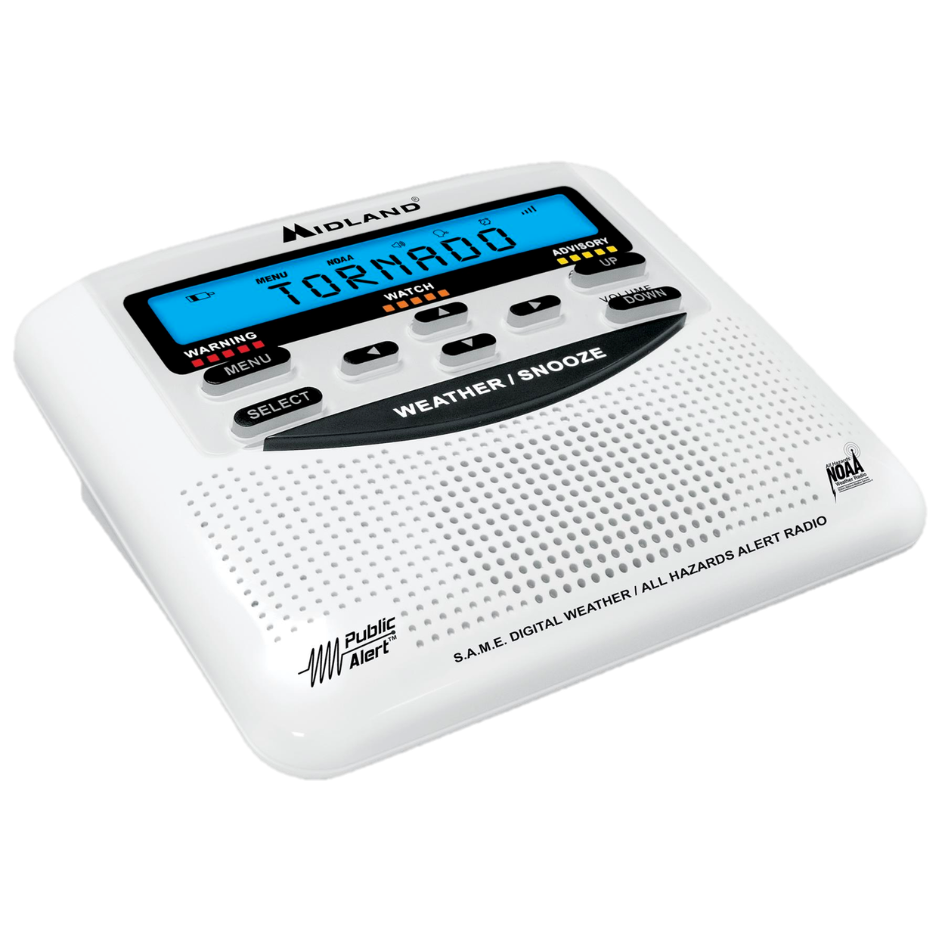
- NOAA Weather Radio: A battery-operated radio provides constant updates and is essential during power outages.
- Weather Apps: Download reliable apps, such as the FEMA app, which send real-time alerts for your specific location.
- Local Media: Monitor local TV and radio stations for detailed updates and coverage.
Download the Grundy County Emergency Management App:
iTunes App Store
Google Play Store
Download the Ready Will County App:
iTunes App Store
Google Play Store
⚠️ IMPORTANT: Minooka government buildings and Minooka Fire Stations are NOT authorized storm shelters. Please make your plans in advance and do not rely on these facilities as a storm shelter.
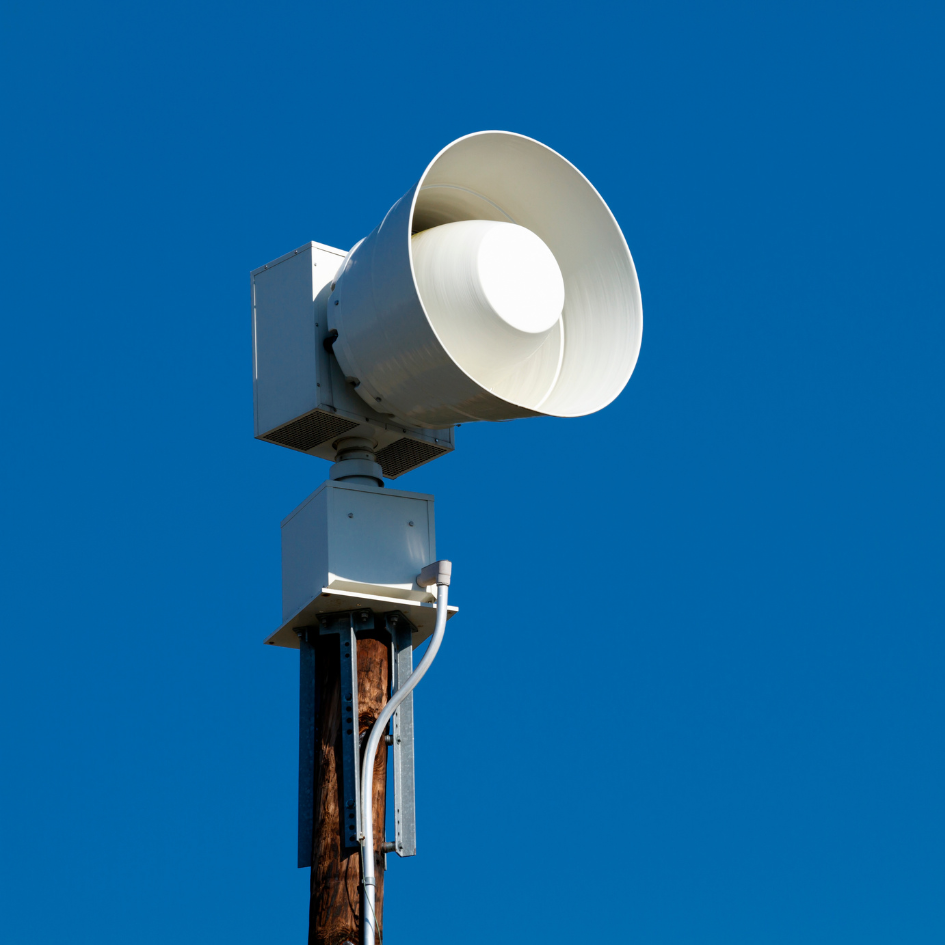
Did You Know?? - The outside sirens are not "tornado sirens"
 In Grundy County, they are called “Outdoor Warning Sirens” and are used as one tool in a tool box of notification for all-hazards. NOAA’s National Weather Service weather radio system provides one of the best choices for receiving warnings for all types of hazards. Special Weather Radio receivers are automatically activated when a severe weather warning or other emergency notice is issued. This allows you to receive a voice message with specific information about the location and type of emergency. Weather Apps on smart phones are also a good tool.
The sirens are not owned by the village or the county.
The 33 “Outdoor Warning Sirens” located in Grundy County are owned and maintained by Exelon Nuclear as part of its emergency preparedness obligations related to the Dresden, Braidwood and LaSalle nuclear generating stations. While Exelon is not required to do so, they have allowed for the use of their system by area counties for other emergency situations, such as weather. This is a tremendous cost savings for counties. In Will County, WESCOM dispatch is able to set off the alarms within the fire districts it serves.
You will not always hear the siren.
There are a number of reasons for this. Grundy County will sound sirens for nuclear plant events, severe weather (when warning is available), and other emergency situations as possible. There is no guarantee that sirens will be sounded in your area for severe weather. Sometimes there is little or no warning of the severity of a storm, which means there is little or no time for sounding the sirens. Outdoor warning systems are designed and intended for “outdoor” warning. While many people can hear sirens indoors, the ability to do so varies greatly based on the type of construction, whether or not doors and windows are open, etc. Outdoor audible levels also vary based upon a number of factors, such as distance from the siren, wind speed and direction, ambient noise and other factors.
Exelon’s system is designed to meet strict coverage requirements mandated by the Federal Emergency Management Agency (FEMA) and the Nuclear Regulatory Commission (NRC). Exelon provides engineering documentation periodically to FEMA and the NRC to assure the system is providing the required outdoor audio throughout its coverage area.
Watch vs Warning - Know the Difference
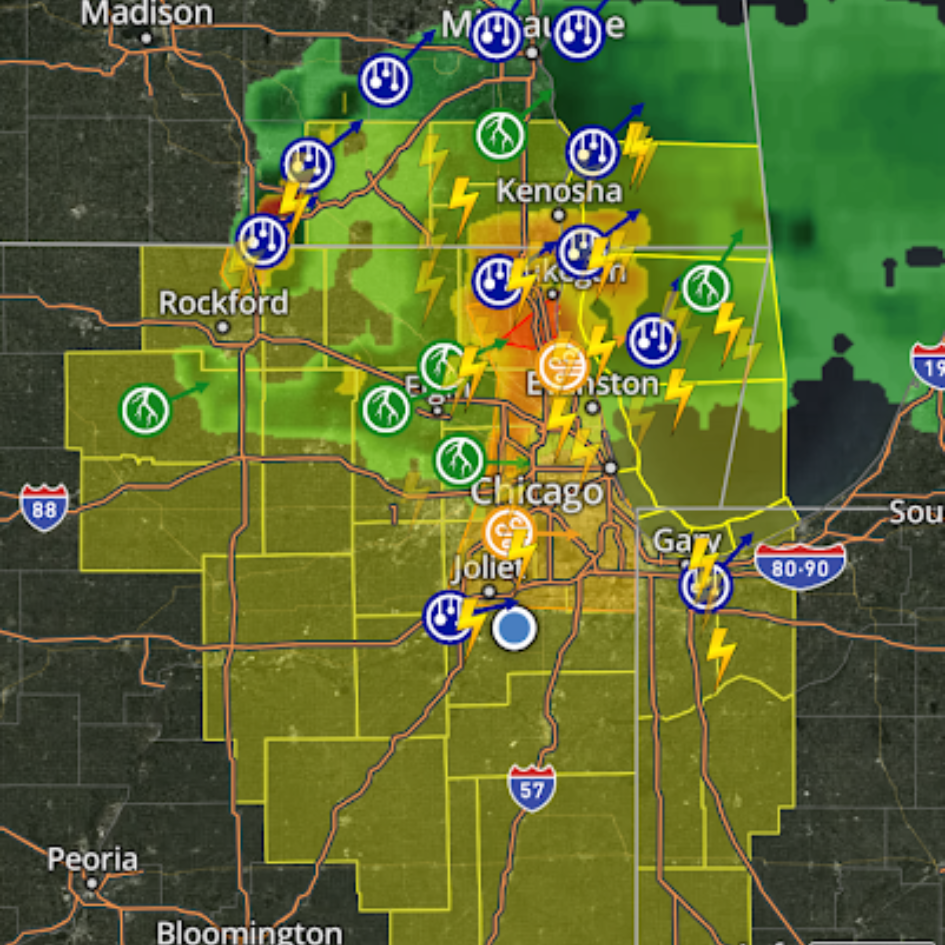
Storm Watch- (area highlighted in yellow)
A National Weather Service WATCH is a message indicating that conditions favor the occurrence of a certain type of hazardous weather. For example, a severe thunderstorm watch means that a severe thunderstorm is expected in the next six hours or so within an area approximately 120 to 150 miles wide and 300 to 400 miles long (36,000 to 60,000 square miles). The NWS Storm Prediction Center issues such watches.
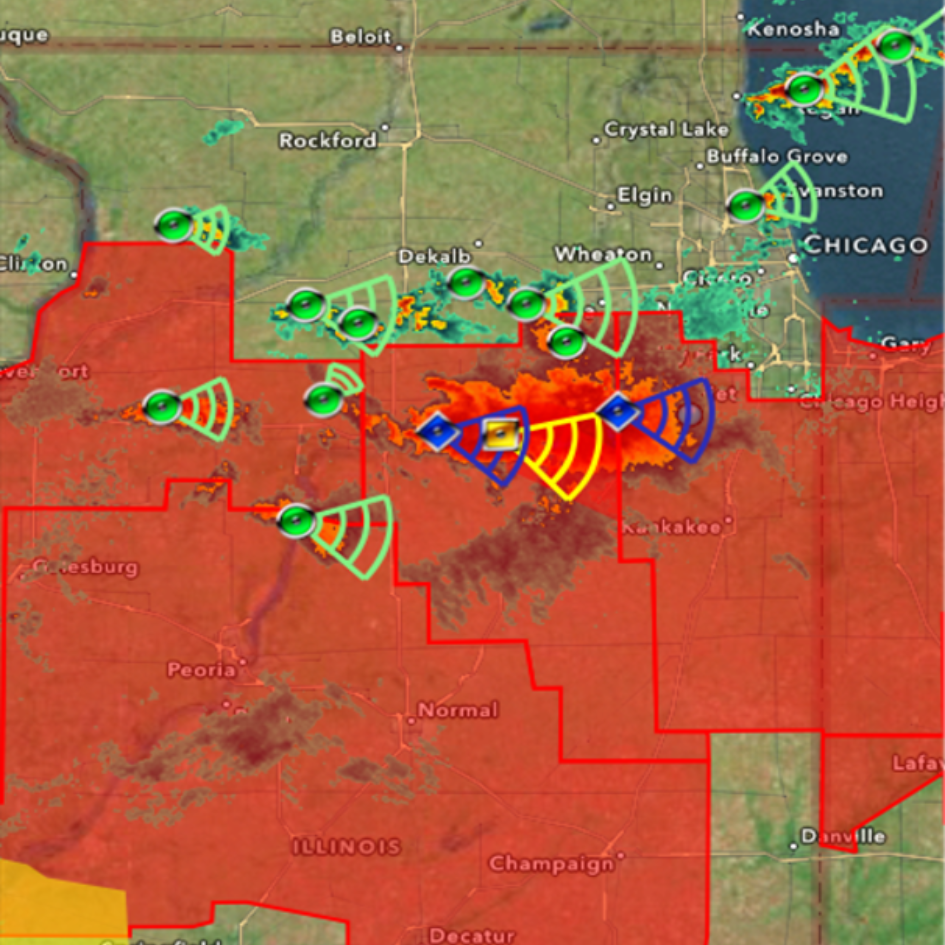
Storm Warning- (area highlighted in red)
A National Weather Service WARNING indicates that a hazardous event is occurring or is imminent in about 30 minutes to an hour. Local NWS forecast offices issue warnings on a county-by-county basis.
Have a Plan
Some storms are easy to prepare for, while others require a bit more planning. Start by deciding which types of severe weather you want to be prepared for.
Download our Emergency Plan Checklist to help you prepare.
Thunderstorms
Stay informed by watching the weather on the news, using weather phone apps, and listening to a weather radio.
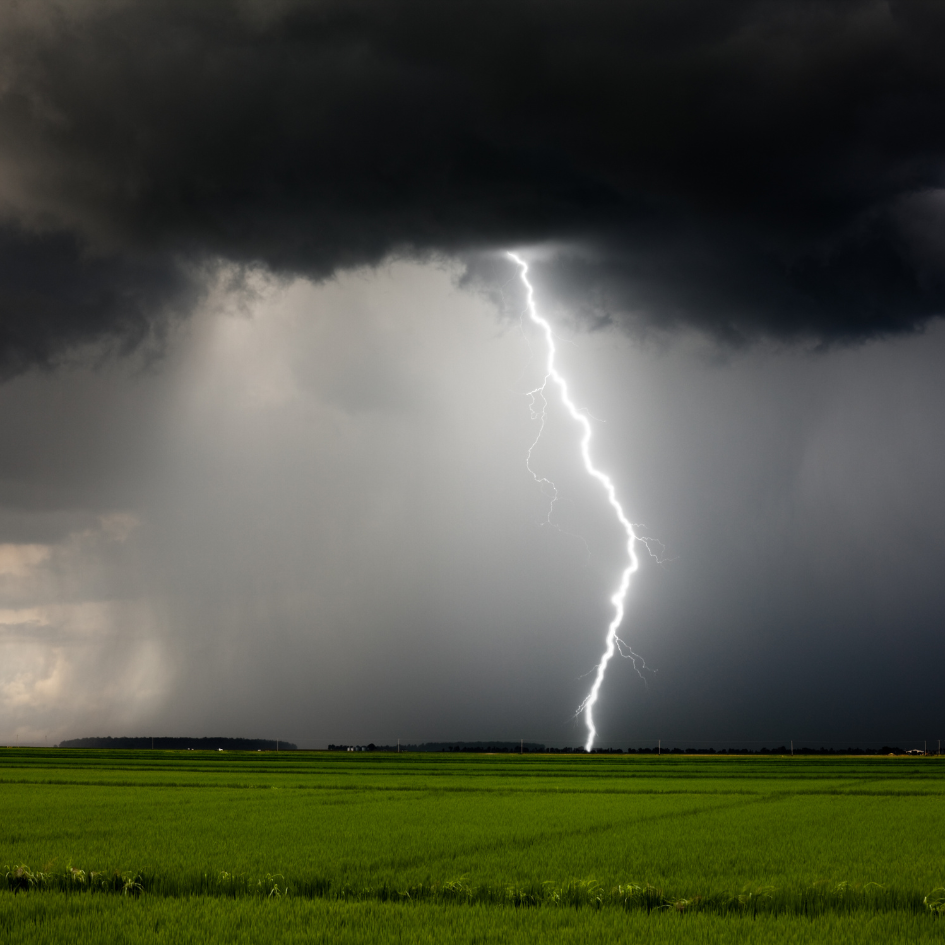
Did you know lightning can strike up to 10 miles away from rain? Heres are some safety tips:
- Stay inside a sturdy building or shelter that can protect you.
- Stay away from windows to avoid flying debris.
- Protect electronics by unplugging appliances, computers, and televisions to prevent damage from power surges.
- Remember to bring pets inside.
- Before the storm rolls in, secure loose objects outside as these can often become dangerous flying debris in high winds.
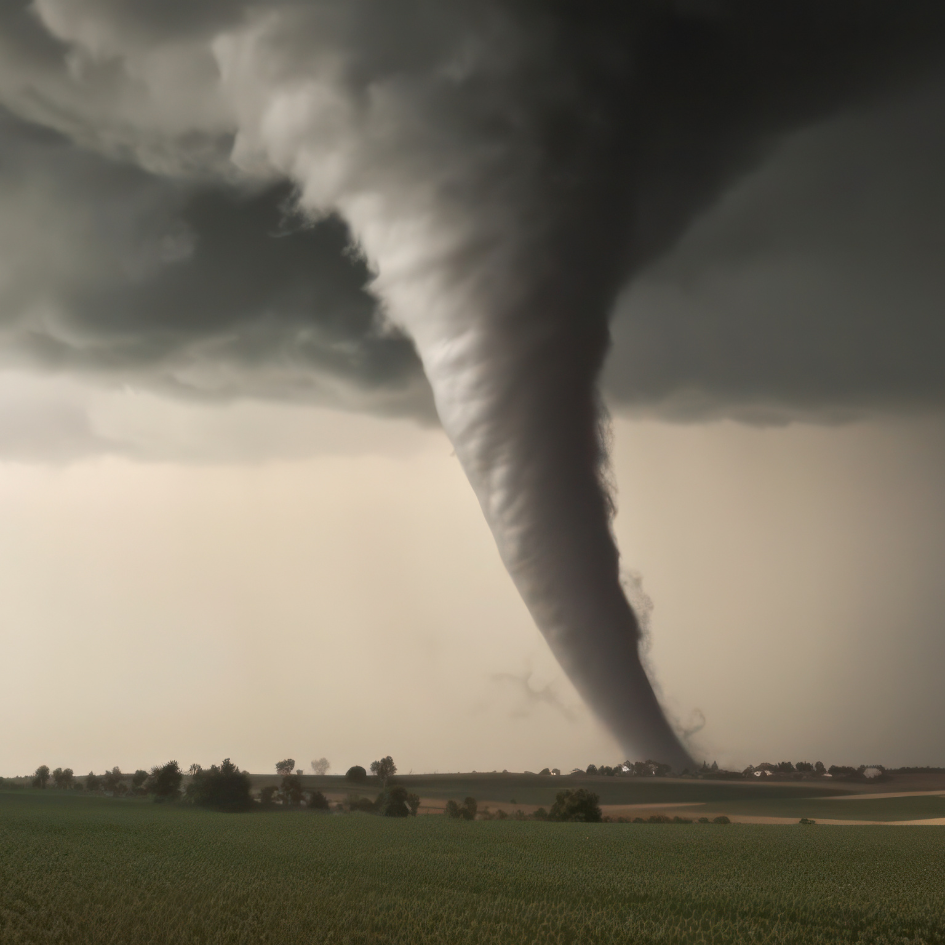
Tornadoes
Prepare for a tornado by identifying a secure, windowless interior room on the lowest level (basement or storm cellar) for shelter, and practice drills with your family. Create an emergency kit with at least 3 days of water, food, and medicine (per person), and stay informed using NOAA weather radio or alerts.
During a Tornado Watch:
- Keep your eyes on the sky.
- Gather you supplies and place it near your designated safe room.
- Bring pets inside.
During a Tornado Warning:
- Take Cover Immediately. Go to your designated safe room, bring pets, and cover your head and neck with blankets.
- Wear sturdy shoes to protect your feet. After the storm passes, there may be broken glass and/or debris lying in the path of your exit.
- Stay away from windows, doors, and outside walls.
- Tornadoes are fast and can change direction at any time. Do not stand outside to video the tornado because you want to put it on social media. No one can out run a tornado!
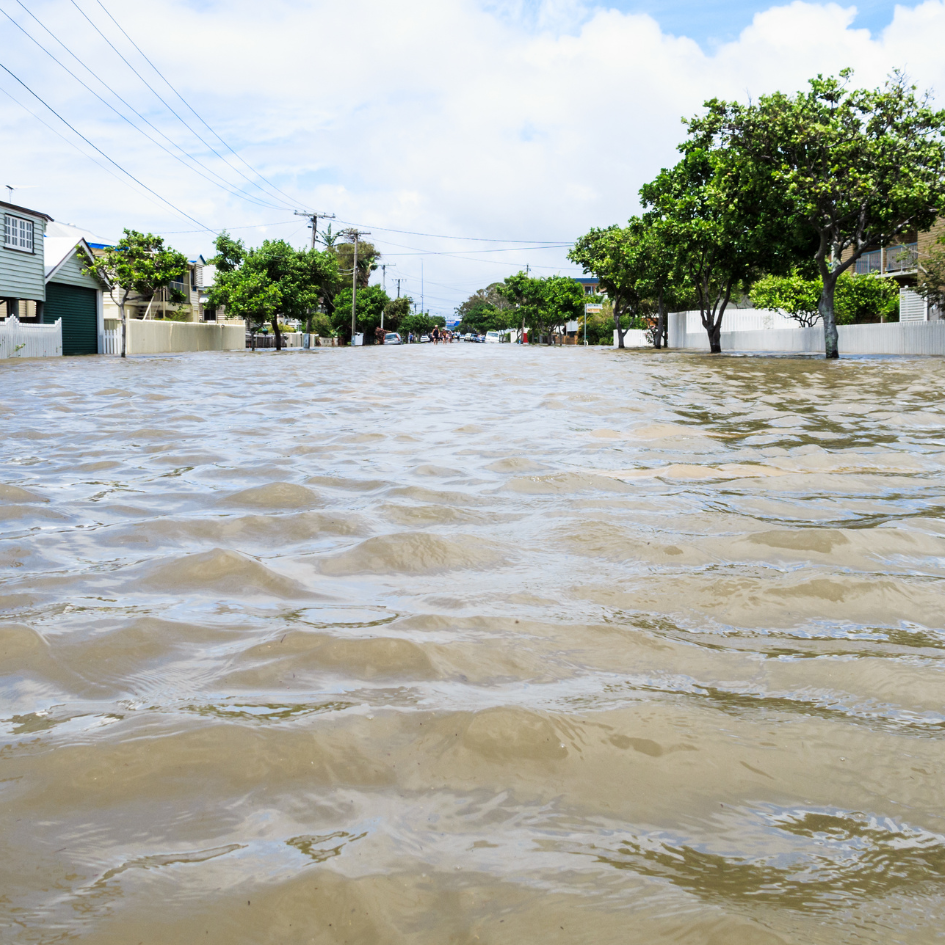
Floods
Flooding requires an evacuation plan. If you are in an area that is prone to floods, knowing when to leave is important.
- Know your area’s type of flood risk. Visit FEMA’s Flood Map Service Center at https://msc.fema.gov/ portal for information.
- Sign up for your community’s warning system. The Emergency Alert System (EAS) and National Oceanic and Atmospheric Administration (NOAA) Weather Radio also provide emergency alerts.
- If flash flooding is a risk in your location, monitor potential signs such as heavy rain.
- Learn and practice evacuation routes, shelter plans, and flash flood response.
- Gather supplies in case you have to leave immediately or if services are cut off. Keep in mind each person’s specific needs, including medication. Do not forget the needs of pets. Obtain extra batteries and charging devices for phones and other critical equipment.
- Obtain flood insurance. Homeowner’s policies do not cover flooding. Get flood coverage under the National Flood Insurance Program (NFIP).
- Keep important documents in a waterproof container. Create password-protected digital copies.
- Protect your property. Move valued items to higher levels. Declutter drains and gutters. Install check valves. Consider a sump pump with a battery.
- Inform local authorities about any special needs, i.e., older adults or bedridden people, or anyone with a disability.
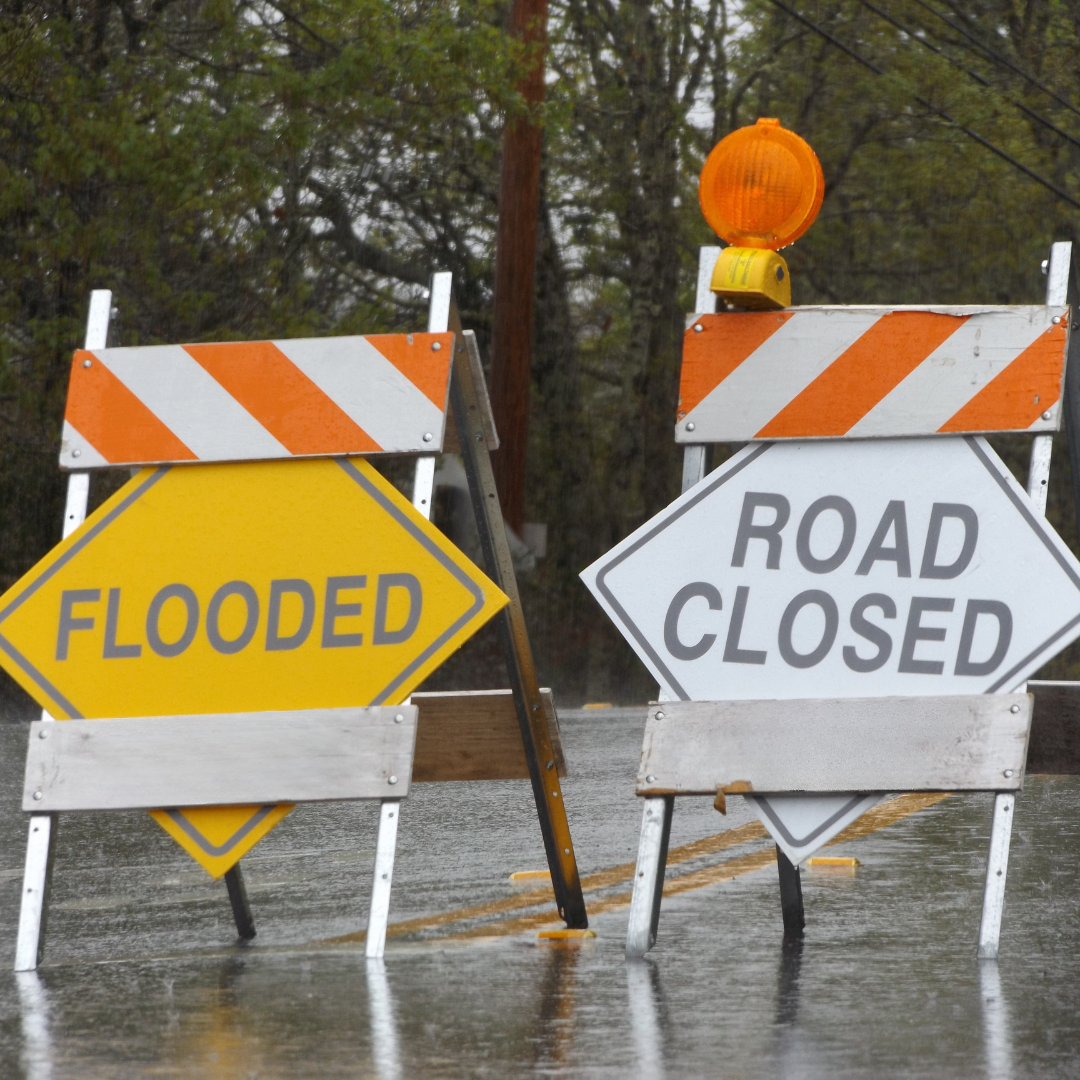
When an area is flooded, TURN AROUND!
Each year, more deaths occur due to flooding than from any other thunderstorm related hazard. The Centers for Disease Control and Prevention report that over half of all flood-related drownings occur when a vehicle is driven into hazardous flood water. The next highest percentage of flood-related deaths is due to walking into or near flood waters. People underestimate the force and power of water. Many of the deaths occur in cars swept downstream. Many of these drownings are preventable. Never drive around the barriers blocking a flooded road. The road may have collapsed under that water. A mere 6 inches of fast-moving flood water can knock over an adult. It takes just 12 inches of rushing water to carry away most cars and just 2 feet of rushing water can carry away SUVs and trucks. It is NEVER safe to drive or walk into flood waters.
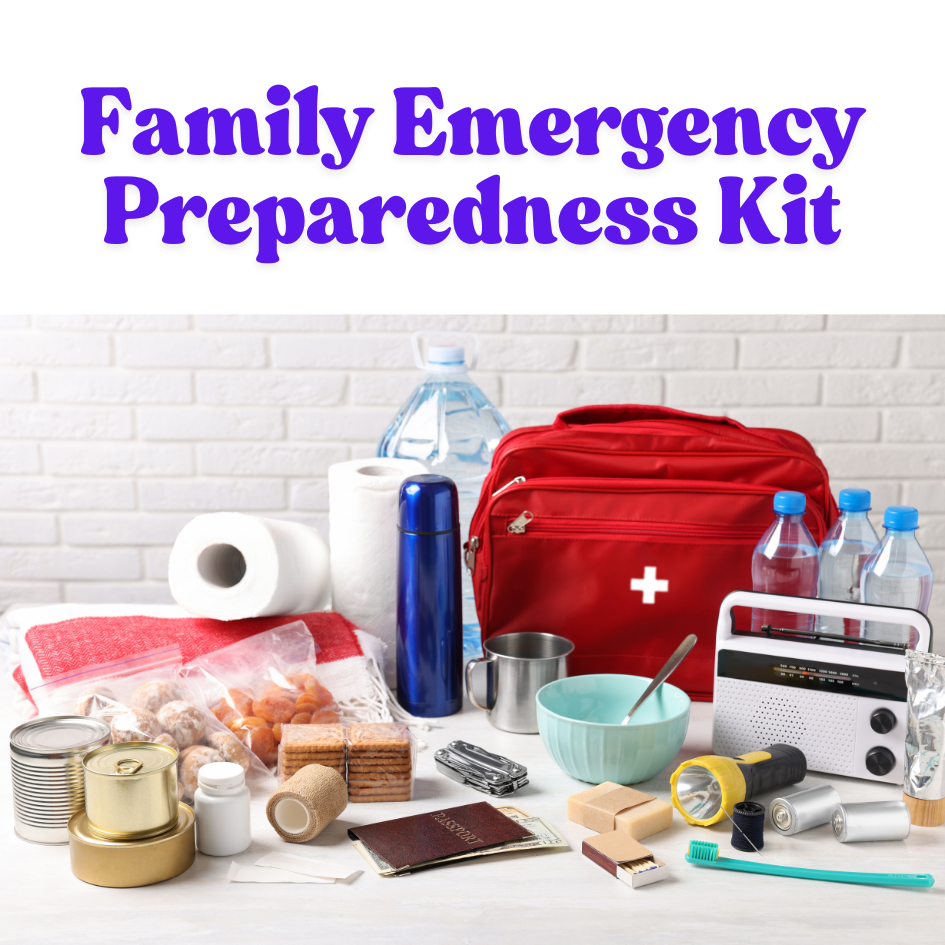
Family Emergency Preparedness Kit
Start by downloading our Emergency Supply Checklist. You will need enough supplies to last you and your family, including pets, for at least three days. Store the items in airtight plastic bags and put your entire disaster supplies kit in one or two easy-to-carry containers such as plastic bins or a duffel bag. After assembling your kit, remember to maintain it so it’s ready when needed. Check for expiration dates and replace any items.
More downloadable Emergency Supply checklists:
FEMA – English
FEMA – Spanish