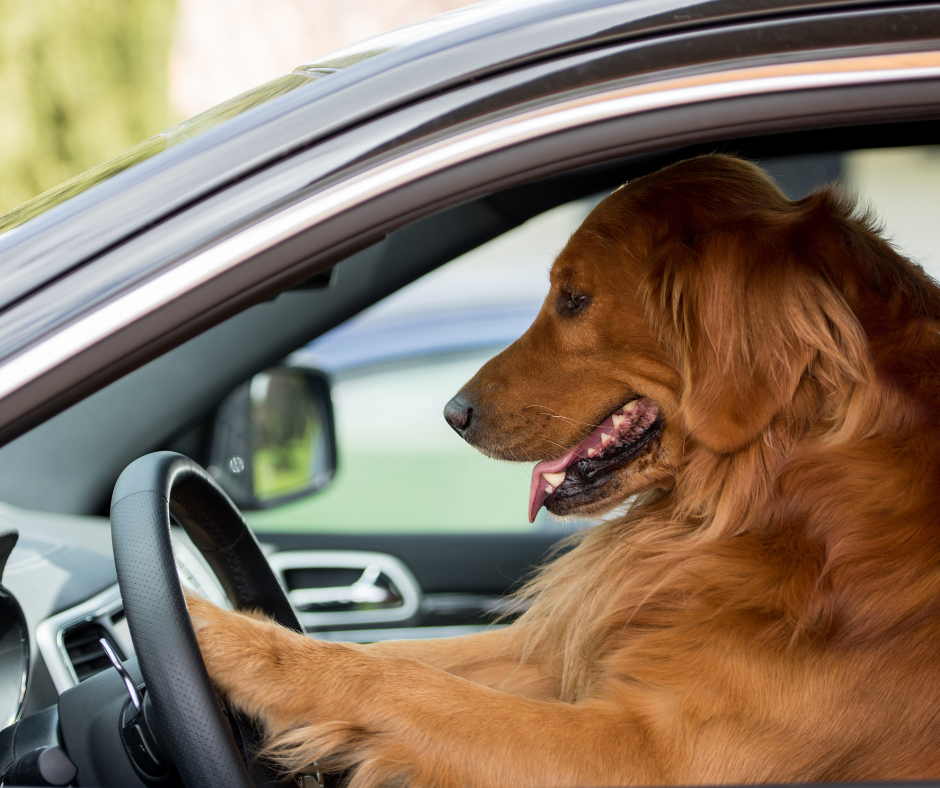
Protect your pets—they depend on you for their safety, especially in a fire.
Pet Fire Safety
Pets are part of the family, and fire safety planning should include them. Take simple steps like keeping pets away from cooking areas, securing open flames, and ensuring they can be quickly found and safely evacuated during an emergency.


Safety Tips
Believe it or not, pets are capable of accidentally starting house fires, so it is important to take precautions and follow pet fire safety tips to keep your home and furry friends safe.
- Stove Safety: Remove or cover stove knobs—cooktops are the leading cause of pet-related fires. Keep the stovetop clear of items like plastic or paper grocery bags to prevent ignition if a pet accidentally turns it on.
- Flameless Candles: Use LED candles instead of real candles to avoid risks from wagging tails or curious cats.
- Secure Cords: Cover or hide electrical cords to prevent chewing, which can cause electrocution and fire.
- Fireplace Safety: Use mesh screen guards and keep a 3-foot “pet-free zone” around fireplaces.
- Secure Young Pets: Keep them confined away from potential fire-starting hazards when you are away from home such as in crates or behind baby gates in secure areas.
- Note where your pets like to nap or hide: This is important in the event that you must evacuate your home quickly. Remember that pets can be exponentially more difficult to round up if they sense stress—especially cats! Practice crating your pets in advance to make it a positive experience so they don’t go running when you pull out their crate during any type of emergency.
- Have an emergency plan, and practice escape routes with your pet: Include all members of the family in this plan, and make sure they know what to do and where to go.
- Keep the phone number and address of a local animal hospital handy: If your pet is injured, you’ll need to know where to take them for treatment quickly.
Evacuation Plans
If you evacuate, take your pets with you whenever possible. If you leave them behind, they may become trapped or escape and be exposed to numerous life-threatening hazards. Note that not all shelters accept pets, so it is imperative that you have determined where you will bring your pets ahead of time:
- Contact your veterinarian for a list of preferred boarding kennels and facilities.
- Ask your local animal shelter if they provide emergency shelter or foster care for pets.
- Identify hotels or motels that accept pets.
- Ask friends and relatives in your area if they would be willing to take in your pet.
Prepare emergency supplies and traveling kits. If you must evacuate your home in a crisis, plan for the worst-case scenario. Even if you think you may be gone for only a day, assume that you may not be allowed to return for several weeks. To minimize evacuation time, take these simple steps:
- Make sure all pets wear collars and tags with up-to-date identification information at all times. Your pet’s ID tag should contain their name, your telephone number and any urgent medical needs. Be sure to also write your pet’s name, your name and contact information on your pet’s carrier.
- The ASPCA recommends microchipping your pet as a more permanent form of identification. A microchip is implanted under the skin in the animal’s shoulder area, and can be read by a scanner at most animal shelters.
- Store an emergency kit and leashes as close to an exit as possible. Make sure that everyone in the family knows where the kit is, and that it is clearly labeled and easy to carry. You can see a full list of items to include in your evacuation pack, including food, water, medication and a photo of your pet in case you get separated here.
Source: ASPCA