
Cook with Caution
Cooking Safety
Simple precautions in the kitchen can prevent cooking fires and keep your home and family safe.
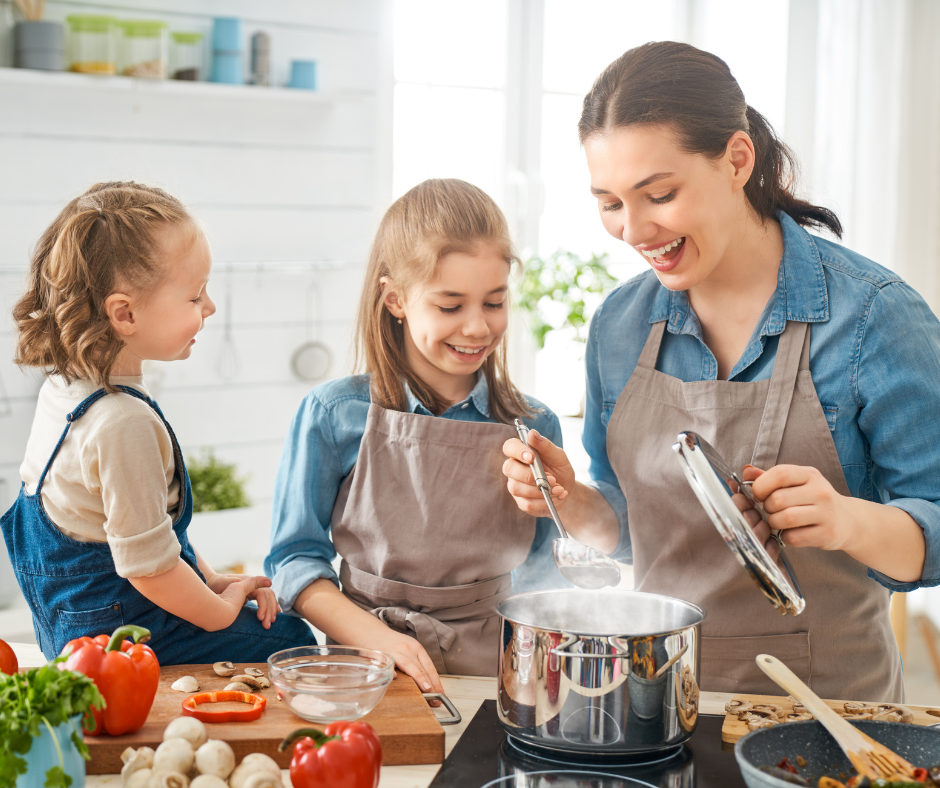
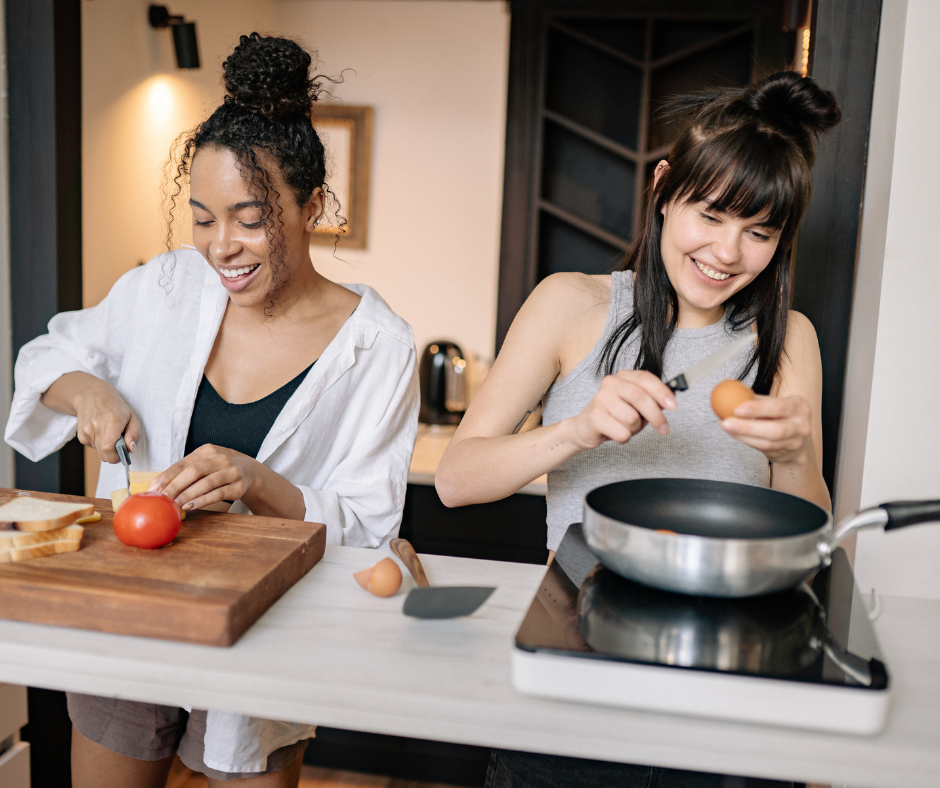
Cooking brings family and friends together, provides an outlet for creativity and can be relaxing. But, did you know that cooking fires are the number one cause of home fires and home injuries? The leading cause of fires in the kitchen is unattended cooking and most cooking fires in the home involve the stovetop.
By following a few safety tips you can prevent these fires.
Cook with Caution
✔️ Be on alert! If you are sleepy or have consumed alcohol don’t use the stove or stovetop.
✔️ Stay in the kitchen while you are frying, grilling, or broiling food. If you leave the kitchen for even a short period of time, turn off the stove.
✔️ If you are simmering, baking, roasting, or boiling food, check it regularly, remain in the home while food is cooking, and use a timer to remind you that you are cooking.
✔️ Keep anything that can catch fire — oven mitts, wooden utensils, food packaging, towels or curtains — away from your stovetop.
Turn the Handles
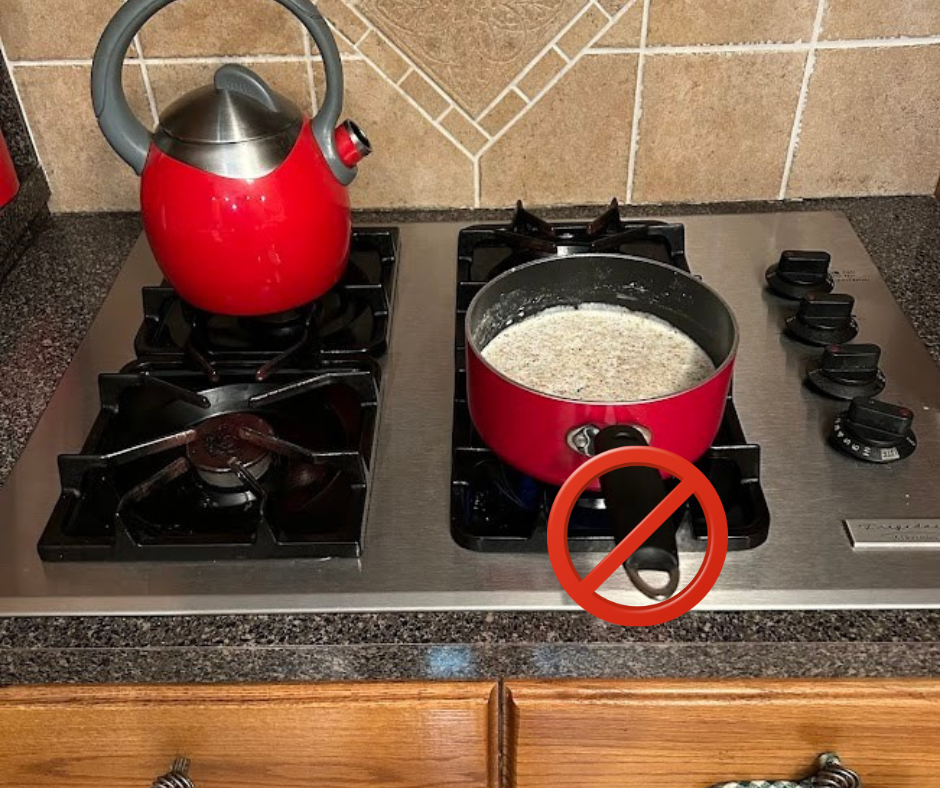
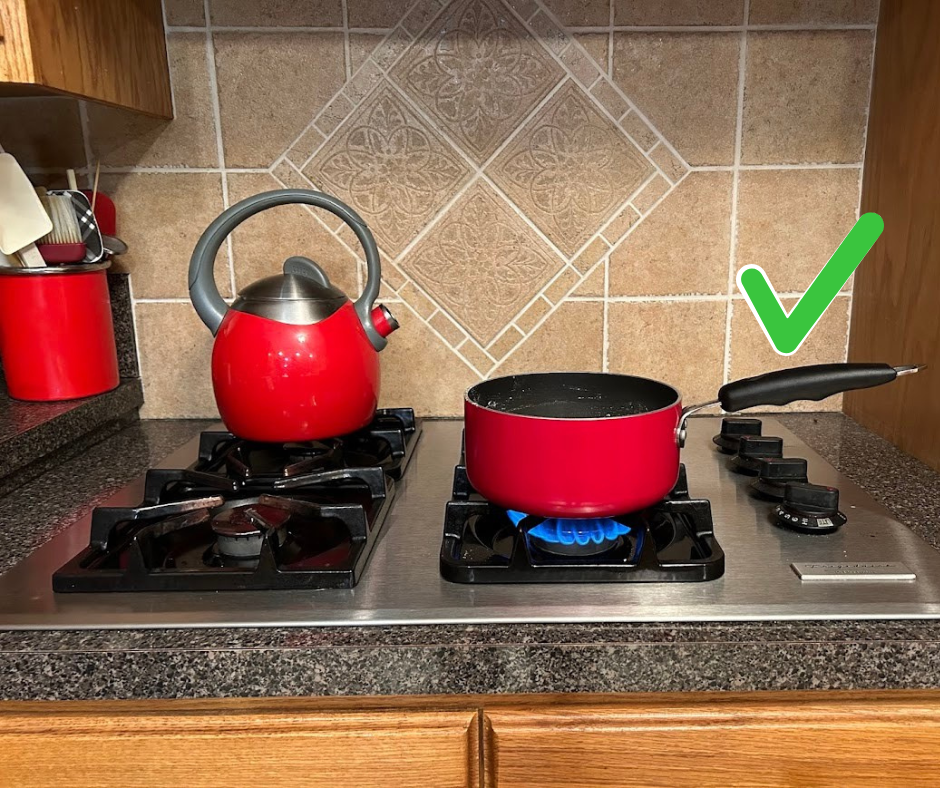
Turning pot handles to the side or inward—away from the edge of the stove—is a crucial safety measure to prevent burns, scalds, and fires. This practice will keep you from accidentally bumping handles as you walk by and out of the reach of children or pets.
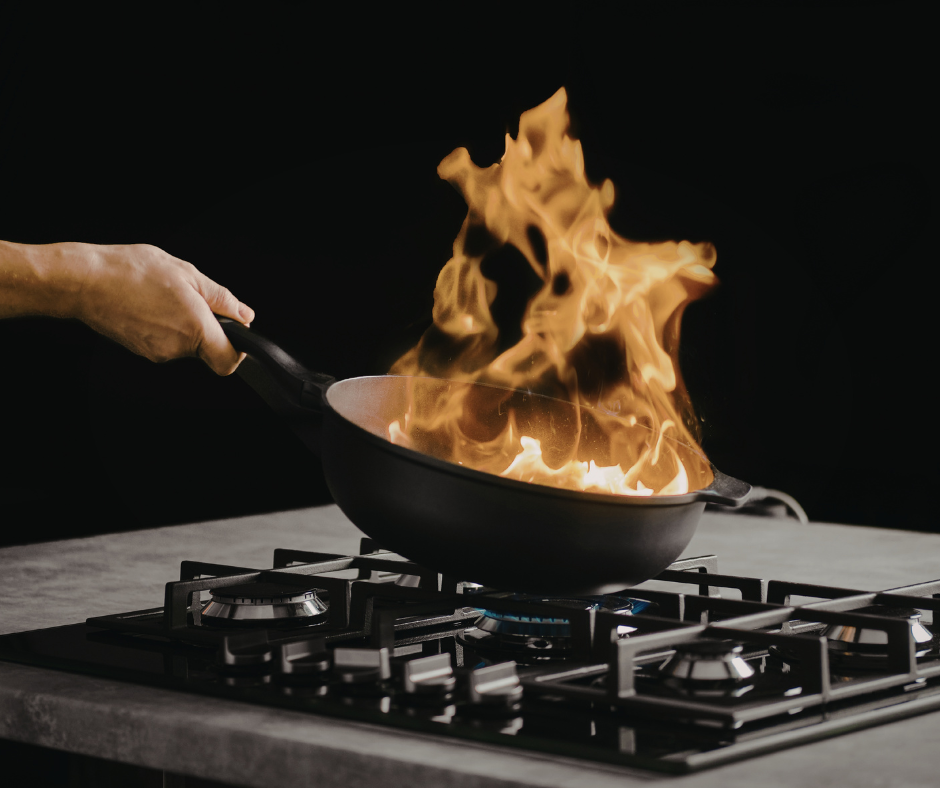
If you have a cooking fire...
🏃 Just get out! When you leave, close the door behind you to help contain the fire.
📱 Call 9-1-1 or the local emergency number after you leave.
🧯 If you try to fight the fire, be sure others are getting out and you have a clear way out.
🍲 Keep a lid nearby when you’re cooking to smother small grease fires. Smother the fire by sliding the lid over the pan and turn off the stovetop. Leave the pan covered until it is completely cooled.
🔥 For an oven fire turn off the heat and keep the door closed.
Electrical Cooking Appliance Safety
When we think of cooking appliances in the kitchen, we often think of the stovetop, oven, and microwave. However, more and more people are often turning to electrical appliances like air fryers and slow cookers for the convenience of cooking meals quickly. Using these appliances properly is key to keeping safe in the kitchen.
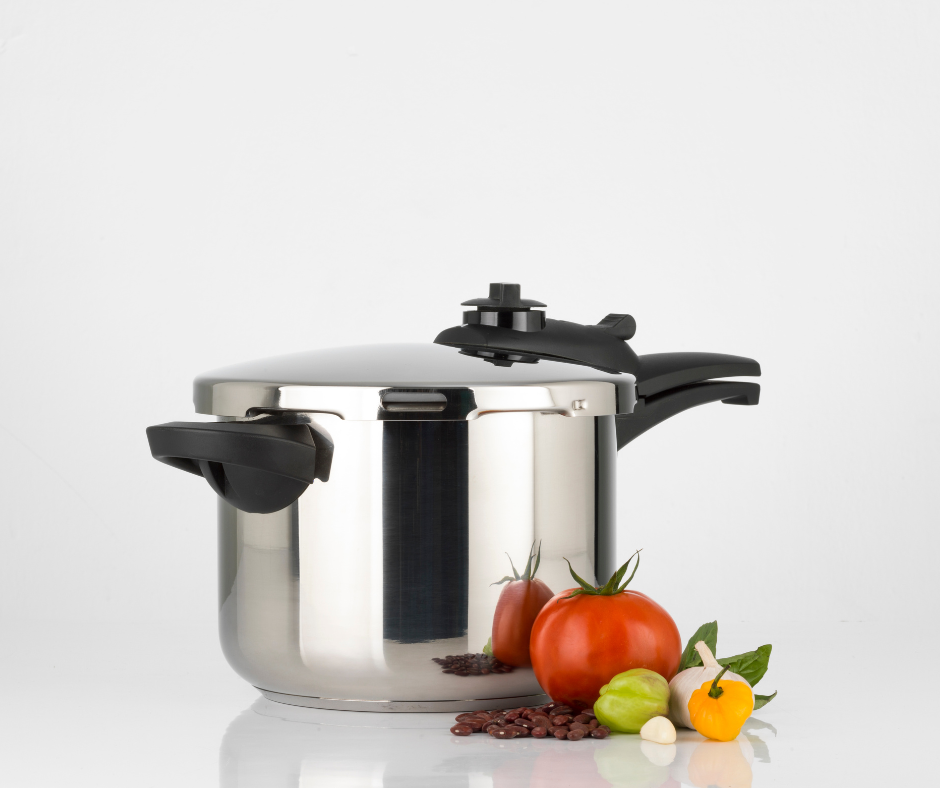
Pressure Cooker
A pressure cooker is designed to cook food faster than a stovetop or oven. Because it uses hot steam and pressure to cook food it is important that they are used properly to prevent burns.
- Place the cooker in an open space to give enough room for the steam to ventilate.
- Never cover the steam release valve on the pressure cooker.
- Do not leave the home when using a pressure cooker.
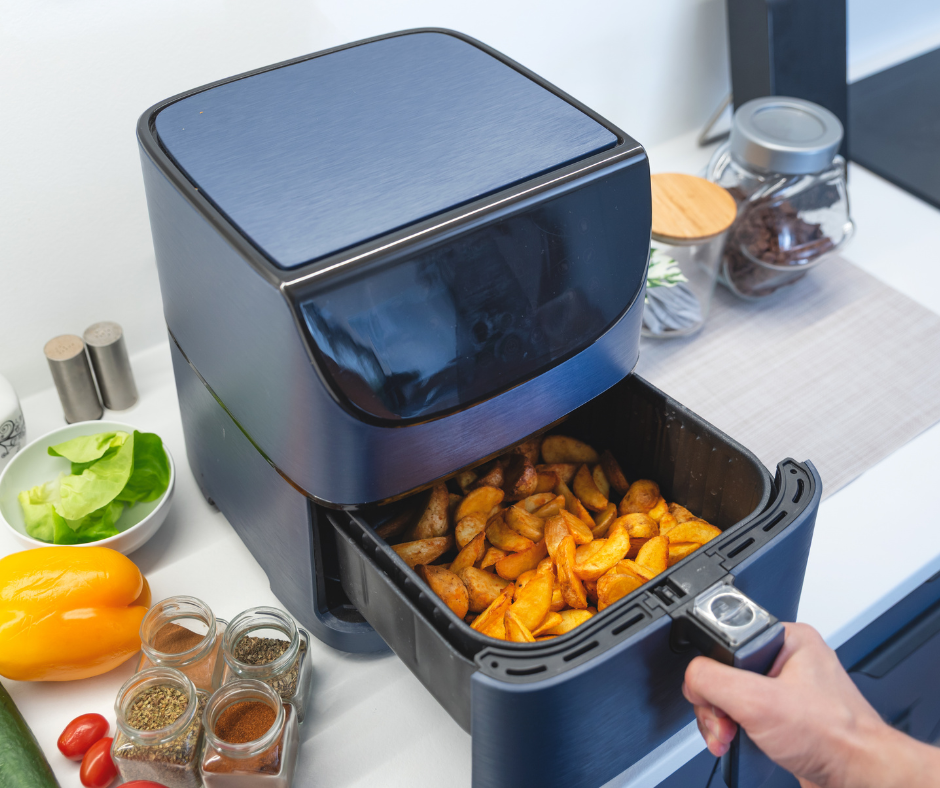
Air Fryer
- Give your air fryer enough space. The air vents release heat and need airflow.
- Do not leave the home when using the air fryer.
- Make sure you clean grease and food debris after every use. Unplug and allow to cool completely before cleaning.
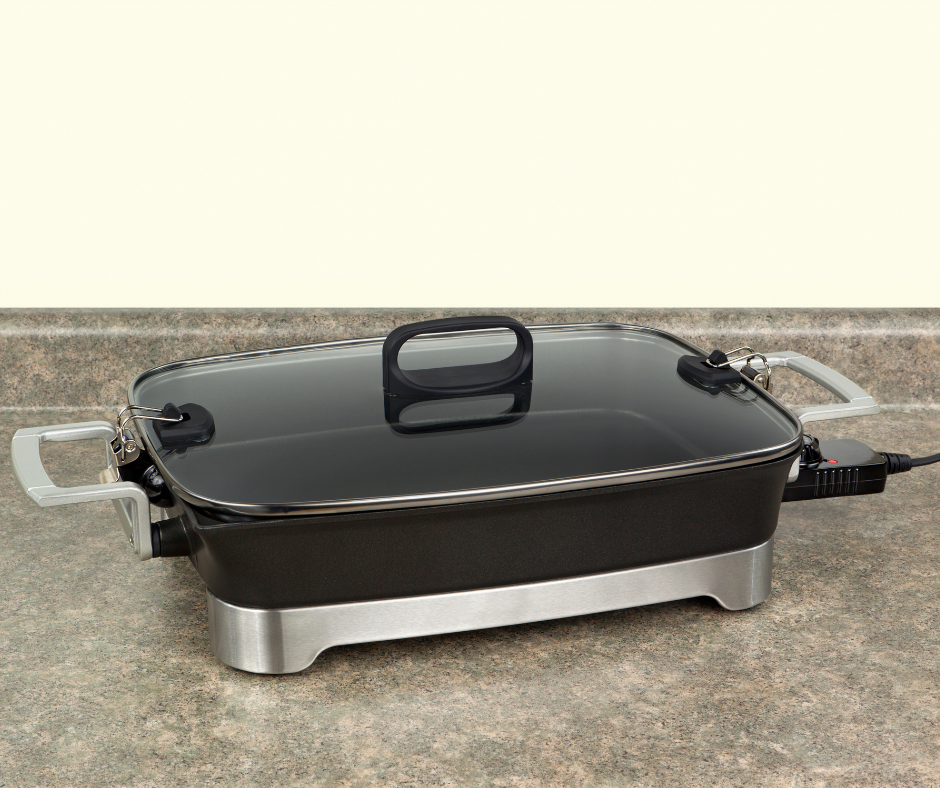
Electric Skillet
- Stay with the hot plate, griddle, or electric skillet when cooking.
- Do not touch the surface of a hot plate, griddle, or electric skillet, as it could burn you.
- Unplug a hot plate, griddle, or electric skillet when not in use and before cleaning. Allow the appliance to cool before cleaning it.
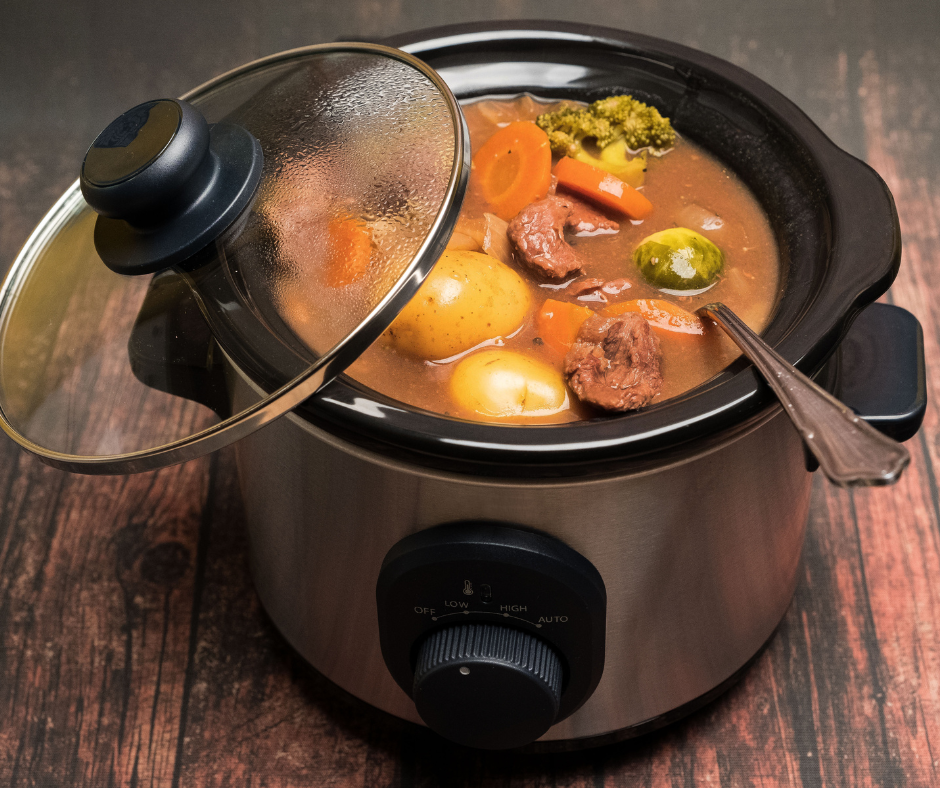
Slow Cooker
A slow cooker is designed to be left on while you do other things, even things outside of the home.
However, there are few safety tips to keep in mind:
- Keep things that could catch fire away from the slow cooker.
- Make sure the slow cooker is in a place where it won’t get bumped. If the lid gets dislodged, the liquid could boil away, which could cause the appliance to overheat and create a fire.
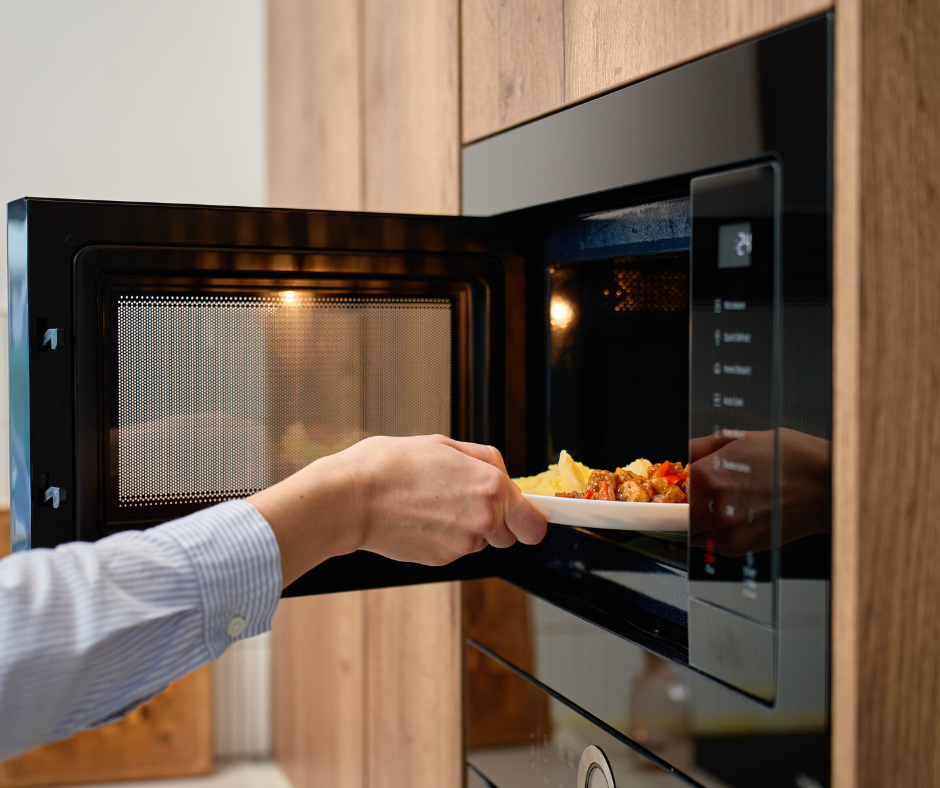
Microwave Oven
With busy lives, families rely on the microwave oven as a quick way to heat up a meal, warm up a drink or defrost dinner. While the convenience of the microwave oven is something we take for granted, safety should not be. By following a few simple safety tips you can prevent painful burns and possible fires.
- Purchase a microwave oven that has the label of an independent testing laboratory. Make sure to complete and return the product registration card. This way the manufacturer can reach you if there is a recall on the product.
- Plug the microwave oven directly into the wall outlet — never use an extension cord.
- Make sure the microwave oven is at a safe height, within easy reach of all users.
- Open food slowly, away from the face. Hot steam or the food itself can cause burns.
- Food heats unevenly in microwave ovens. Stir and test before eating or giving to children.
- Never heat a baby bottle in the microwave. Since a microwave oven heats unevenly, it can create hot pockets, leading to burns. Warm a bottle in a bowl of warm — not hot or boiling — water, or by running it under the tap.
Microwave Use:
- Always supervise children when they are using a microwave oven.
- Use only microwave-safe food containers or dishes. Never use aluminum foil or metal in a microwave oven.
- If you have a fire in the microwave, leave the door closed, turn the oven off and unplug it from the wall. If the fire does not go out, get outside and call the fire department.
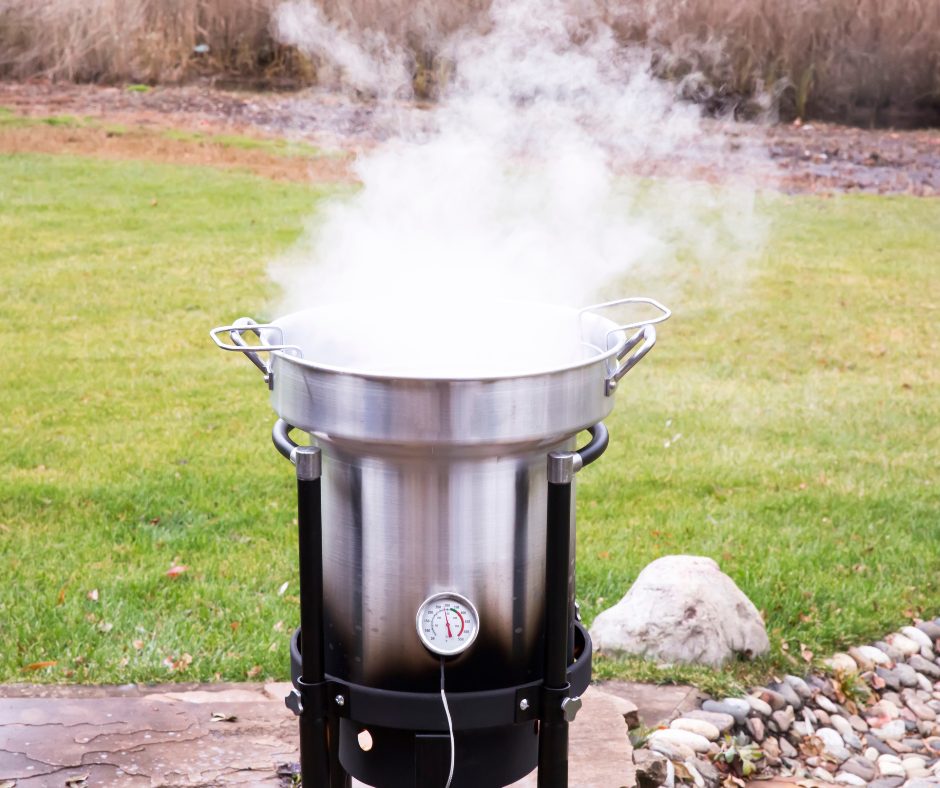
Turkey Fryer
NFPA discourages the use of outdoor gas-fueled turkey fryers that cook the turkey in hot oil. The use of turkey fryers can lead to devastating burns, other injuries and the destruction of property.
Turkey fryers that use oil and an open flame cannot be used safely. Buy an infrared fryer or electric turkey fryer that has been listed by a qualifed testing laboratory. Do not leave fryers unattended when in use.
The Dangers of Turkey Fryers
- Hot oil may splash or spill during the cooking. Contact between hot oil and skin could result in serious injury.
- A hot oil spill can happen with fryers designed for outdoor use using a stand. The fryer could tip over or collapse causing the hot oil to spill. Newer countertop units using a solid base appear to reduce this risk. NFPA does not believe the risks of either type of turkey fryer to be acceptable because of the large amount of hot oil involved and the speed and severity of burns.
- In deep frying, oil is heated to temperatures of 350° Fahrenheit or more. Cooking oil is combustible. If it is heated above its cooking temperature, its vapors can ignite.
- Propane-fired turkey fryers must be used outdoors. They are very popular for Thanksgiving. Many parts of the country may have rain or snow at this time of year. If rain or snow hits the hot cooking oil, the oil may splatter or turn to steam, leading to burns.
- Turkeys must be completely thawed before placing in the fryer, because a partially thawed turkey will cause the oil to splatter causing serious burns.
- The fryers use a lot of oil, about five gallons. Considering the size and weight of the turkey, extreme caution must be taken when placing and removing the turkey from the fryer to be sure its is not dropped back into the fryer, splattering the oil on the chef.
If you decide to use a turkey fryer, follow these safety tips:
- Do not overfill the fryer.
- Fryers should always be used outdoors, on a solid level surface a safe distance from buildings and flammable materials.
- Keep all-purpose (A-B-C) fire extinguishers nearby.
- Make sure the turkey is completely thawed before it is placed in a fryer.
- Never leave the fryer unattended. The oil could continue to heat until it catches fire.
- Never let children or pets near the fryer when in use or after use as the oil can remain hot for hours.
- Never use a fryer on a wooden deck, under a patio cover, in a garage or enclosed space.
- Use well-insulated potholders or oven mitts and wear long sleeves and safety goggles to protect from splatter.
- Cover the gas hose with aluminum foil to prevent hot oil burning through it.
Source: National Fire Protection Association
*All links on this page open up in a new tab.