
Powering Your Devices Safely
Lithium-Ion Battery Safety
Lithium-ion batteries power many everyday items, but proper charging, storage, and disposal are essential to prevent fires and keep your home and family safe.
Lithium-Ion Safety Tips
Lithium-ion batteries are increasingly found in devices and systems that the public and first responders use or interact with daily. While these batteries provide an effective and efficient source of power, the likelihood of them overheating, catching on fire, and even leading to explosions increases when they are damaged or improperly used, charged, or stored. NFPA offers several resources that provide information to promote safer use of lithium-ion batteries across a wide range of applications.
Learn more by visiting the NFPA Lithium-Ion Battery Safety page.
The problem
- These batteries store a large amount of energy in a small amount of space.
- Sometimes batteries are not used the right way; batteries not designed for a specific use can be dangerous.
- Like any product, a small number of these batteries are defective. They can overheat, catch fire, or explode.
Safety Tips
- Purchase and use devices that are listed by a qualified testing laboratory.
- Always follow the manufacturer’s instructions.
- Only use the battery that is designed for the device.
- Put batteries in the device the right way.
- Only use the charging cord that came with the device.
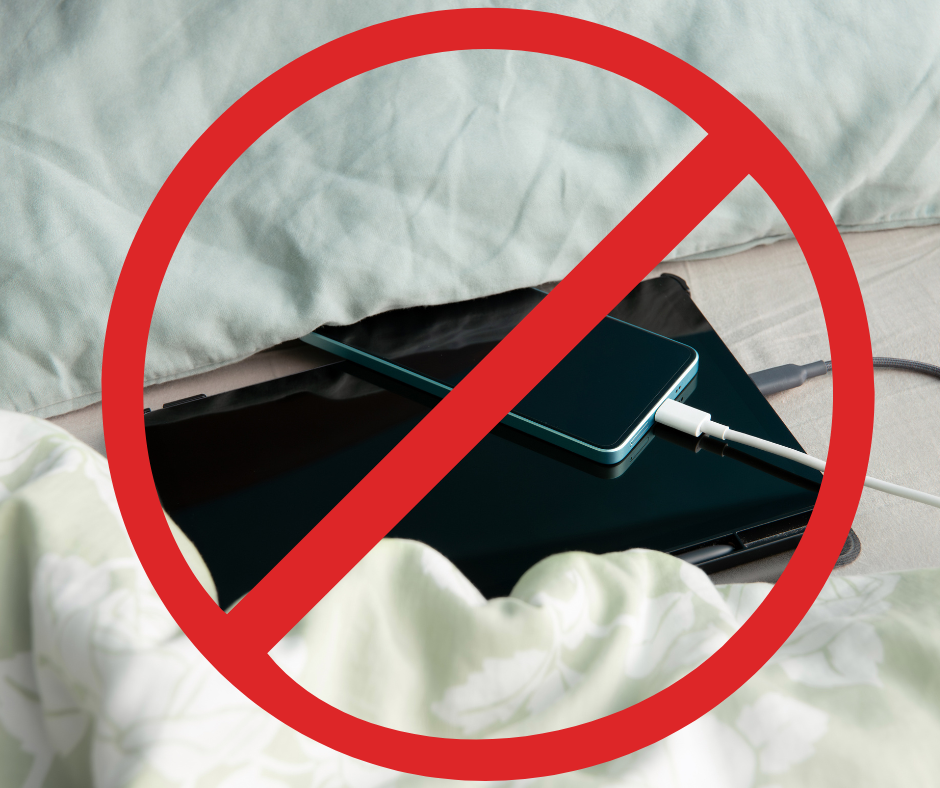
- Do not charge a device under your pillow, on your bed, or on a couch.
- Do not keep charging the device or device battery after it is fully charged.
- Keep batteries at room temperature when possible. Do not charge them at temperatures below 32°F (0°C) or above 105°F (40°C).
- Store batteries away from anything that can catch fire.
Signs of a Problem
Stop using the battery if you notice these problems: odor, change in color, too much heat, change in shape, leaking, or odd noises. If it is safe to do so, move the device away from anything that can catch fire. Call 9-1-1.
Buy, Charge, & Recycle
Buy only listed products. When buying a product that uses a lithium-ion battery look for a safety certification mark such as UL, ETL, or CSA. This means it meets important safety standards.
Charge devices safely. Always use the cords that came with the product to charge. Follow the instructions from the manufacturer. Buy new chargers from the manufacturer or one that the manufacturer has approved. Charge your device on a hard surface. Don’t overcharge your device. Unplug it or remove the battery when it’s fully charged.
Recycle batteries responsibly. Don’t throw lithium-ion batteries in the trash or regular recycling bins because they could start a fire. Recycle your device or battery at a safe battery recycling location. Visit call2recycle.org to find a recycling spot near you.
Lithium-ion batteries supply power to many devices other than e-bikes and e-scooters, including smartphones, laptops, e-cigarettes, smoke alarms, toys, and even cars. These devices and batteries can also lead to fires or explosions.
E-bikes & E-scooters
Safety Tips
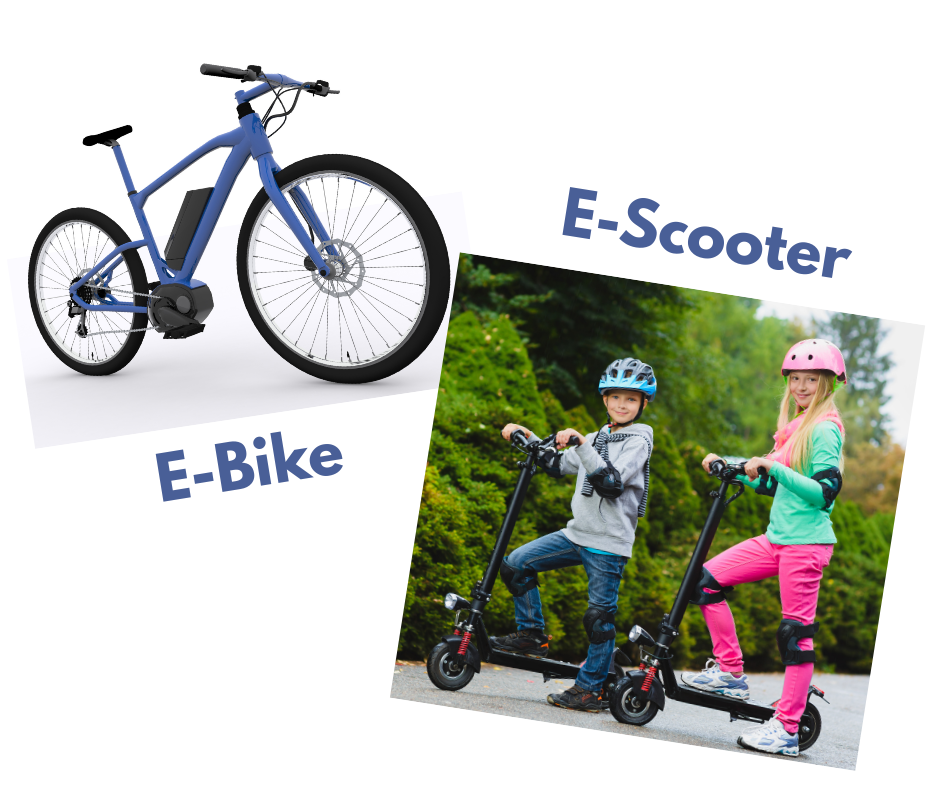
Electric bicycles and electric scooters, or e-bikes and e-scooters, are more popular than ever. These devices give riders a lower-cost and environmentally friendly way of getting around. But, unknown to many users, the batteries that power e-bikes and e-scooters have also been known to catch on fire and cause explosions.
- Only purchase and use devices, batteries,and charging equipment that are listed by a nationally recognized testing lab and labeled accordingly.
- Always follow the instructions from the manufacturer.
- Only use the battery and the charger that were designed for, and came with the device.
- Do not keep charging the device or device battery after it is fully charged.
- Only charge one device or device battery at a time to prevent overloading the circuit.
- Keep batteries at room temperature when possible. Do not charge them at temperatures below 32°F (0°C) or above 105°F(40°C).
- Do not store batteries in direct sunlight or inside hot vehicles, and keep them away from children and liquids.
- Store e-bikes, e-scooters, and batteries away from exit doors and anything that can get hot or catch fire.
- Only have device repairs performed by a qualified professional.
- Do not put lithium-ion batteries in the trash.Recycling is always the best option. Take the batteries to a battery recycling location or contact your local waste department for disposal instructions.
Charging an E-bike
Charge your battery in a flat, dry area away from children, direct sunlight, liquids, tripping hazards, and in a location where the e-bike is not at risk of falling.
Do not charge the e-bike inside the home.
Plug charger directly into the outlet. Do not use an extention cord.
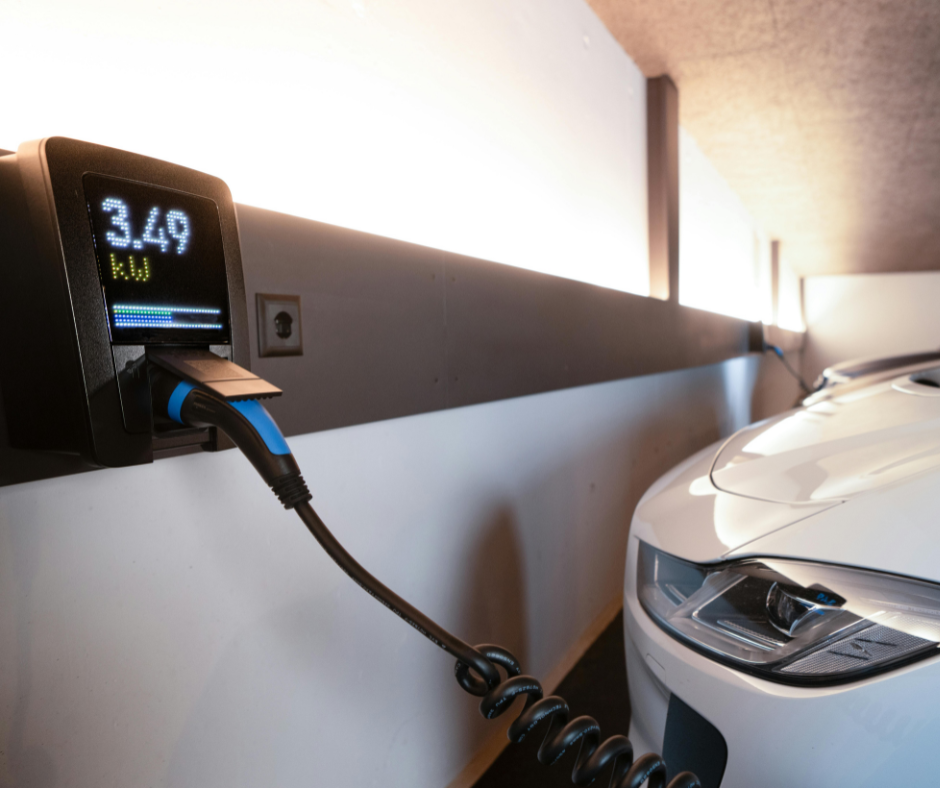
Electric Cars
Safety Tips
- Use devices that are listed by a qualified testing laboratory.
- Read and follow all manufacturer directions.
- Check chargers and cords for damage before using. Never use if damaged.
- Do not use extension cords with the charger.
- Install charging equipment in safe locations. Keep away from busy areas and things that could catch fire.
- Keep charging items out of reach of children and animals when not in use.
- Cover charging station outlet to keep water out.
- Before charging an electric vehicle at home, have a qualified electrician:
~ Check your electrical system to see if it can handle charging.
~ Install a new circuit just for your charging device.
For Level 1 Charging:
- Use the charging cord that came with the electric vehicle.
- Use a standard household plug.
- Make sure charger or outlet has GFCI protection.
- Use only a dedicated circuit to charge.
For Level 2 Charging:
- Use a 240-volt outlet. A qualified electrician needs to install this type of outlet.
- Only use outdoor rated charging stations outdoors.
- Keep cords off the ground.

Hover Boards
Safety Tips
- Choose a device with the seal of an independent testing laboratory.
- Read and follow all manufacturer directions. If you do not understand the directions, ask for help.
- An adult should be responsible for charging the hover board.
- Do not leave a charging hover board unattended.
- Never leave the hover board plugged in overnight.
- Only use the charging cord that came with the hover board.
- Stop using your hover board if it overheats.
- Extreme hot or cold temperature can hurt the battery.
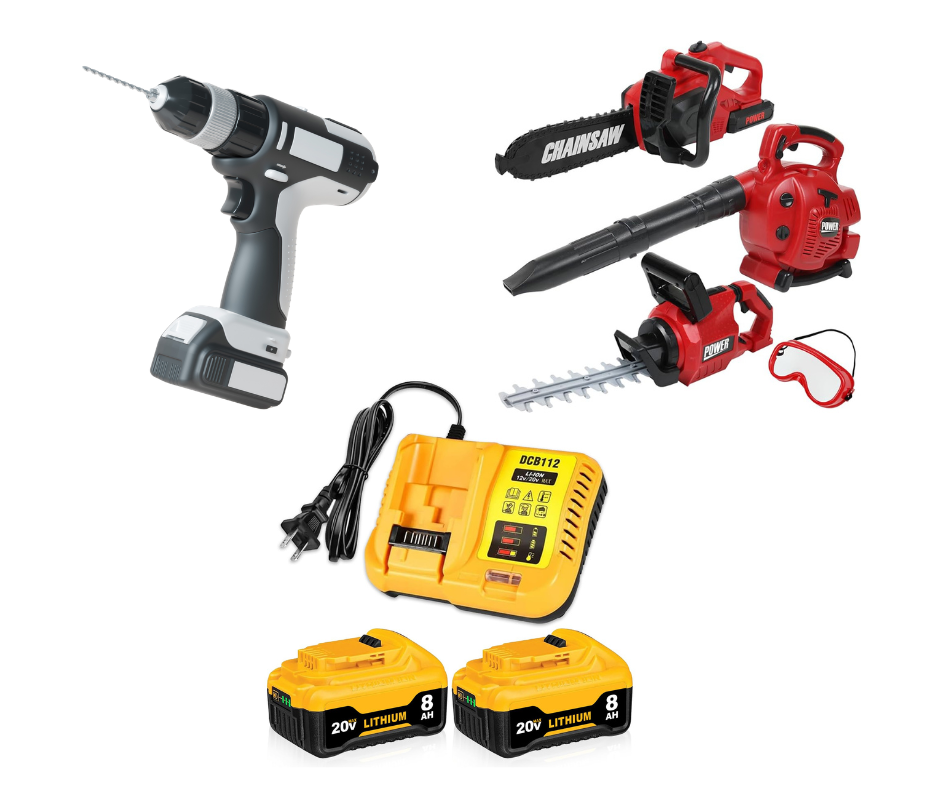
Cordless Power Tools
Safety Tips
To ensure safety with battery-operated tools, always remove batteries when changing accessories, storing, or cleaning to prevent accidnetal starts. Use only manufacturer-approved batteries and chargers to prevent fires, avoid exposing batteries to water, heat, or metal objects that can cause shorts, and inspect for damage.
- Use smart chargers: These detect when a battery is full and switch to a “trickle” or “float” mode.
- Don’t charge continuously: Avoid leaving chargers on for days or weeks.
- Store correctly: Store lithium-ion batteries at around 40% charge when not in use.