Fire Safety for People with Disabilities
Creating a fire-safe environment starts with planning ahead to help people of all abilities stay safe before, during, and after a fire.
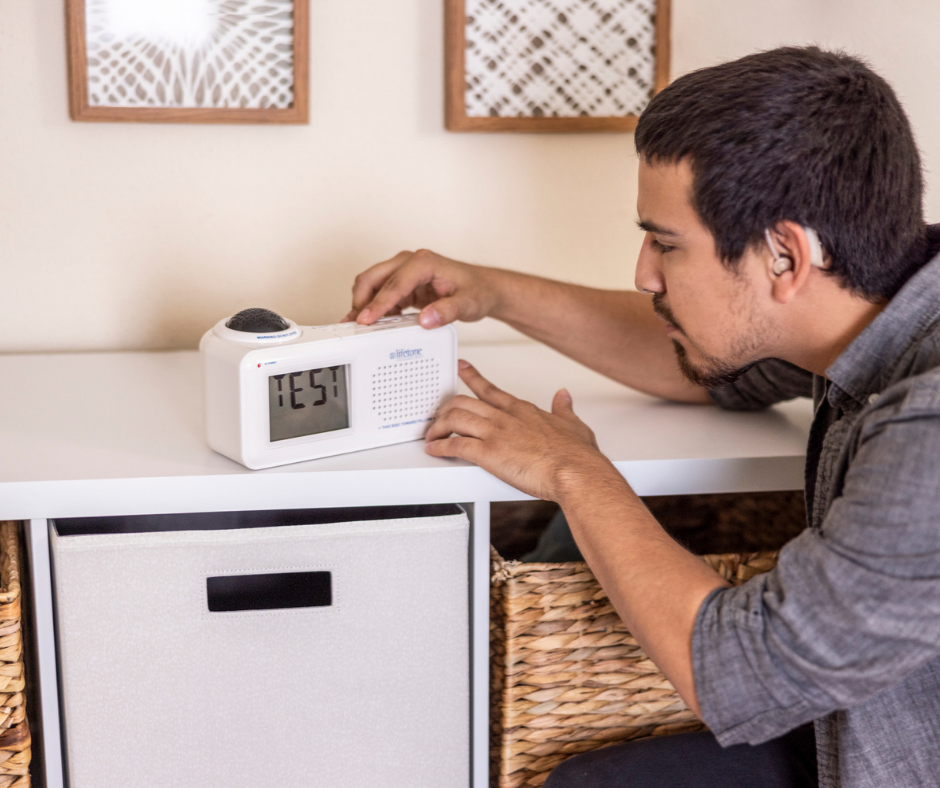
Fire safety for people with disabilities involves tailored emergency plans based on individual needs, such as installing specialized smoke alarms (strobe/vibrating) for the deaf, living on ground floors for mobility issues, and alerting local fire departments of specific needs.
Did you know:
Physical disability was the second leading human factor contributing to fatalities in residential buildings (30%).
Source: Civilian Fire Fatalities in Residential Buildings (2017-2019)
Key Safety Strategies
- Specialized Alarms: Use smoke alarms with strobe lights or vibrating pads for hearing impairments, ensuring alarms are tested monthly.
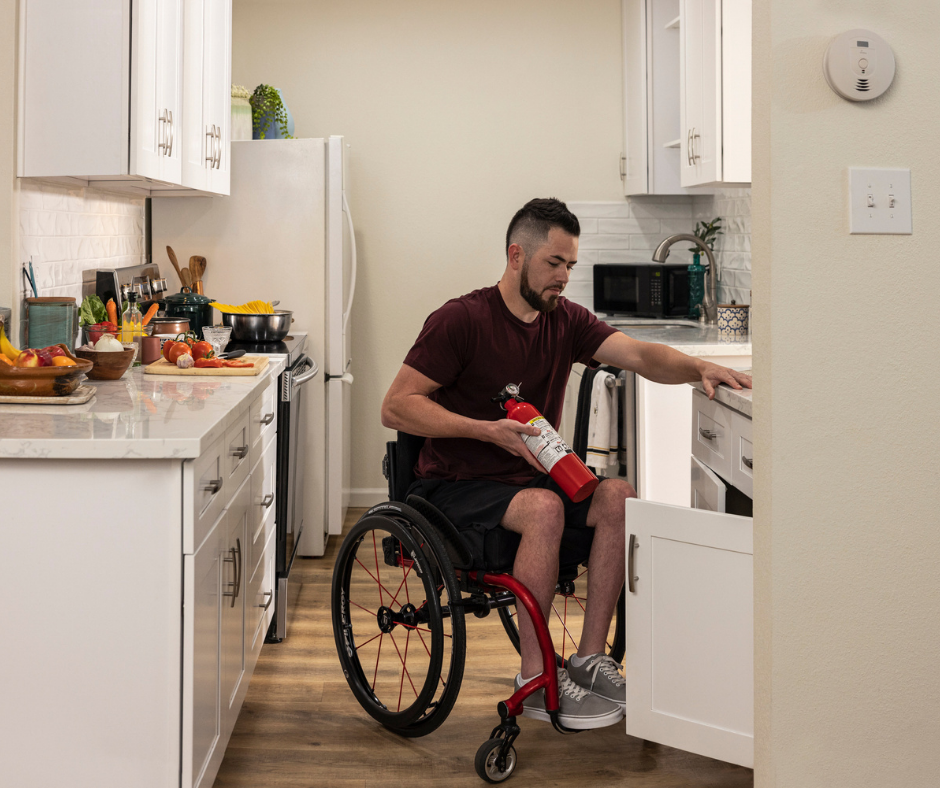
- Accessible Exits: If possible, live on the ground floor. Ensure all exits are wheelchair accessible, with ramps if necessary.
- Personalized Plan: Identify two ways out of every room and practice them.
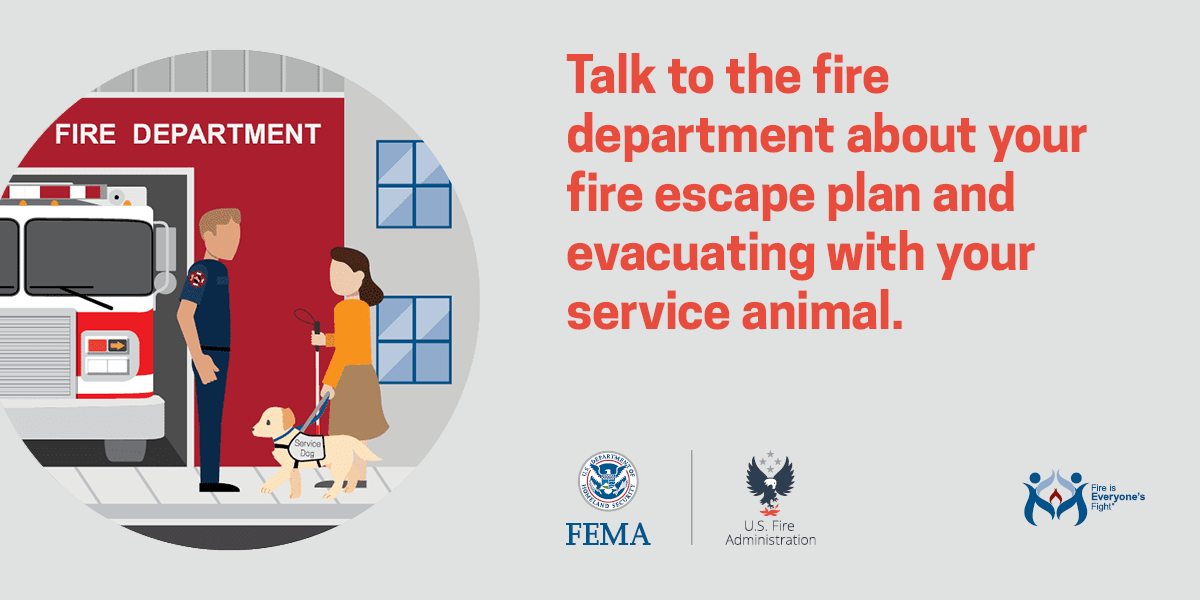
- Alert Authorities: Inform the local fire department about your special needs, so they are prepared in case of an emergency.
- Stay Safe: If in a high-rise, do not use elevators. If you cannot escape, go to a designated “area of refuge” and call for help.
- Service Animals: Include pets or service animals in your evacuation plans.
Preparation and Prevention
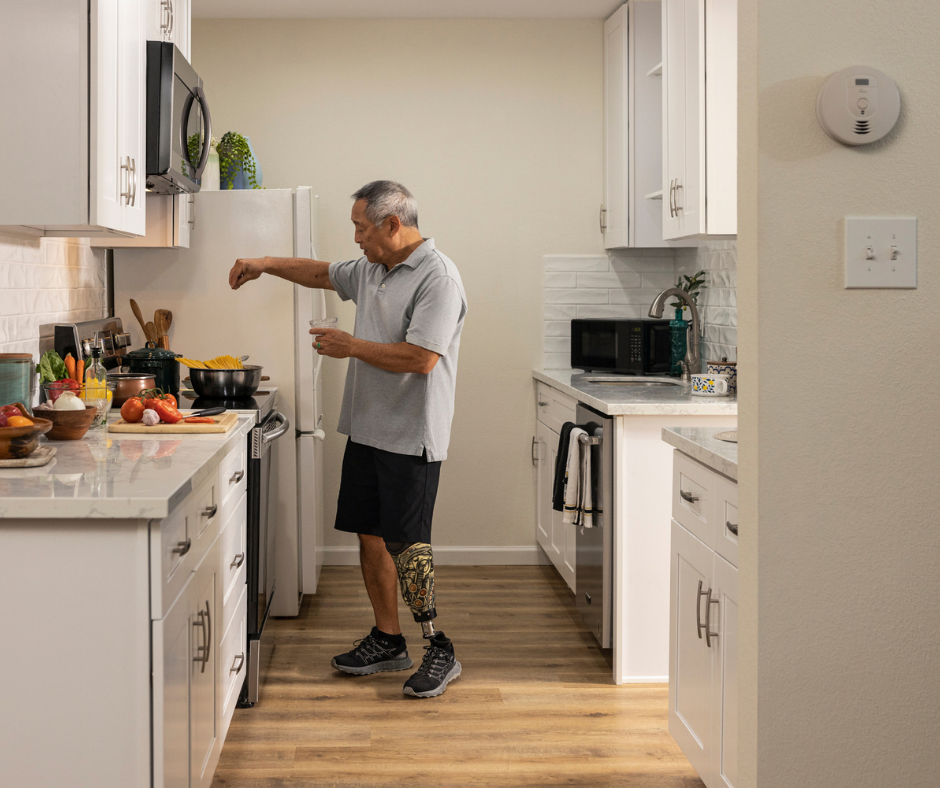
- Clear Hazards: Keep doorways, hallways, and windows clear of obstacles for easy mobility.
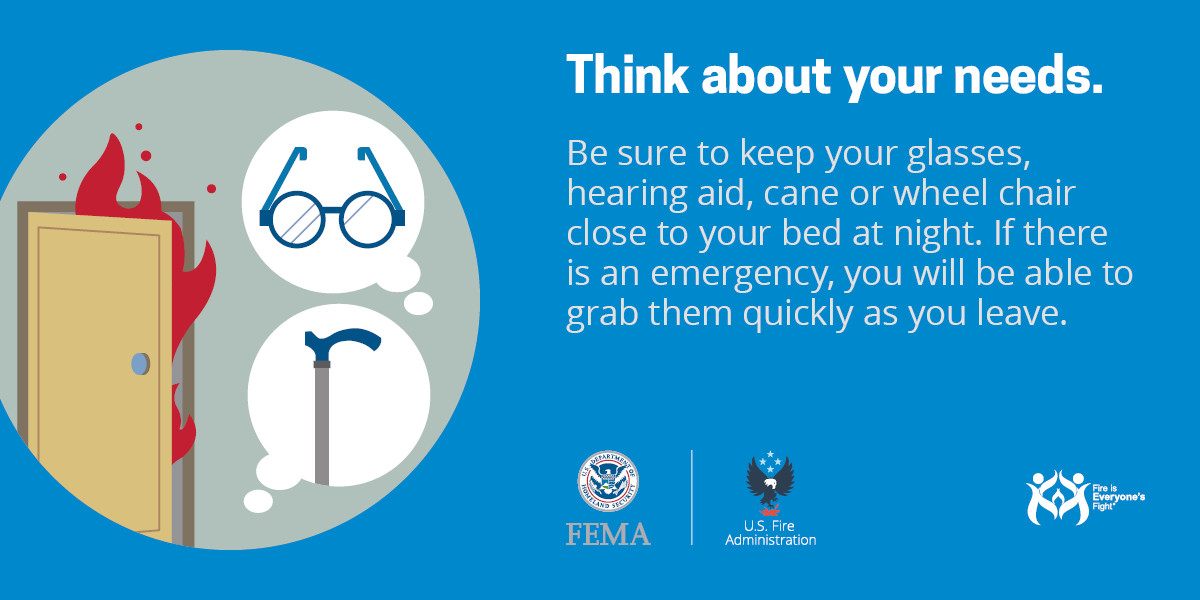
- Plan Ahead: Keep a phone near the bed, along with necessary items like eyeglasses or hearing aids.
- Caregiver Involvement: Train caregivers and family members on the specific evacuation procedures.
Smoke Alarms
- Have smoke alarms on every level of your home, inside bedrooms and outside sleeping areas.
- Interconnect your alarms so that when one sounds, they all sound.
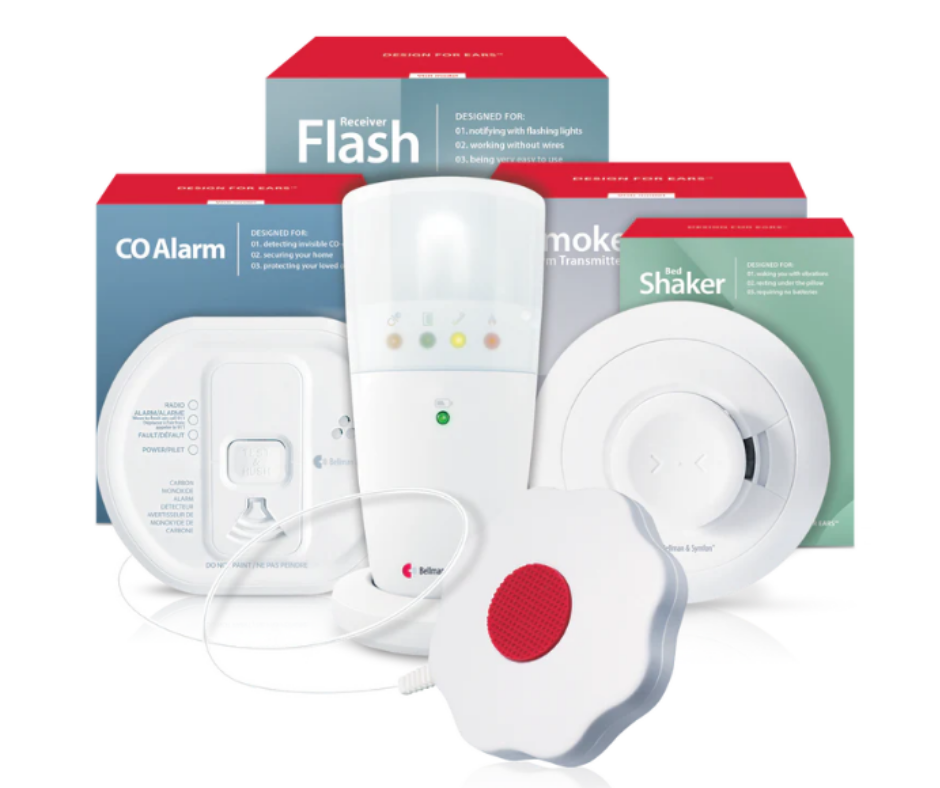
- If you are deaf or hard of hearing, use smoke alarms with a vibrating pad, flashing light or strobe light. These accessories start when your alarm sounds.
- Test your alarms every month.
NFPA Safety Tip Sheet: Smoke Alarms for People Who Are Deaf or Hard of Hearing
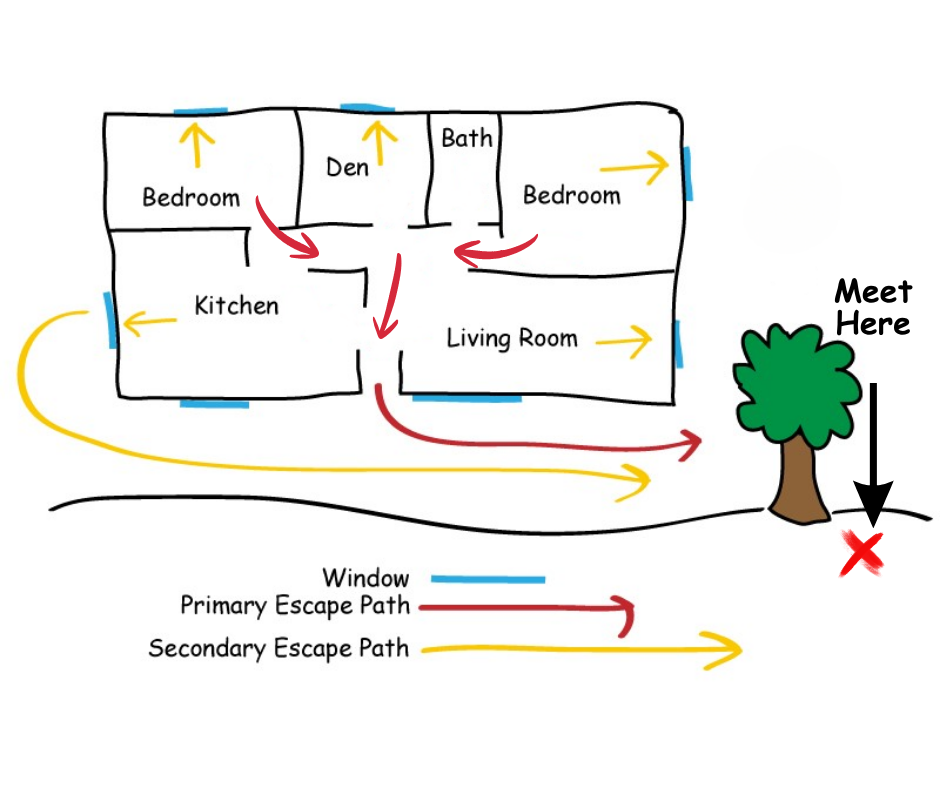
Fire Escape Plan
- Know 2 ways out of every room.
- If possible, live near an exit.
- You’ll be safest on the ground floor if you live in an apartment building.
- If you live in a multistory home, sleep on the first floor.
- Being on the ground floor and near an exit will make your escape easier.