Protecting Our Community from Hidden Hazards
Poison Prevention
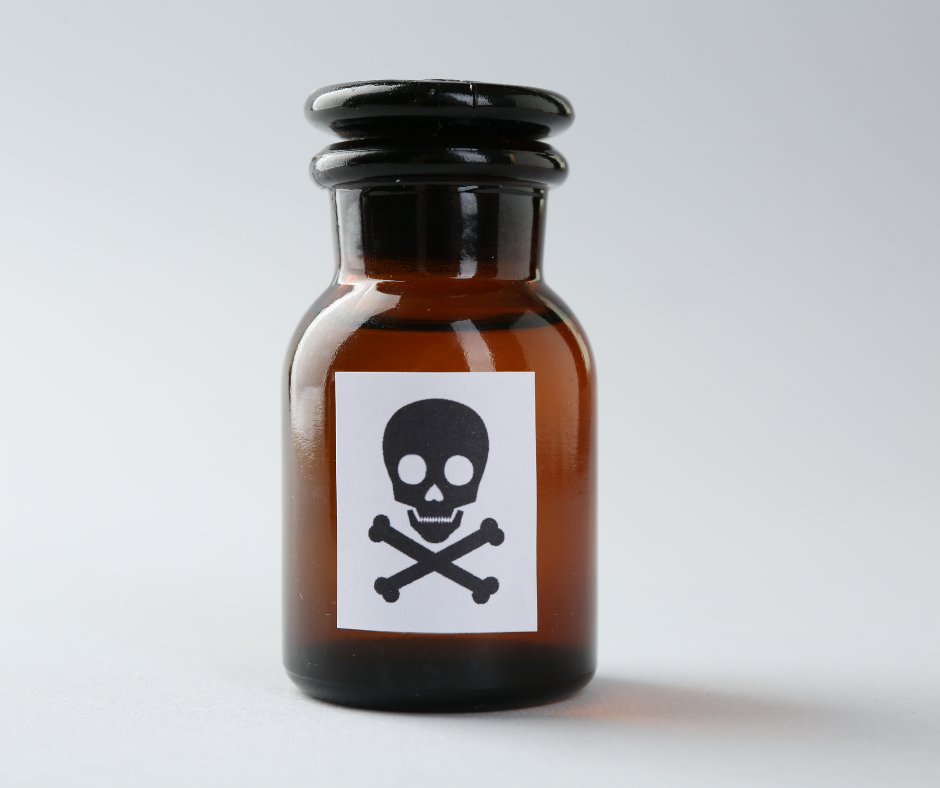
Learn how to safely store, use, and dispose of household chemicals, medications, and other potentially dangerous substances to keep your family safe from accidental poisoning.
Poison Prevention Tips
Store Household Products Safely
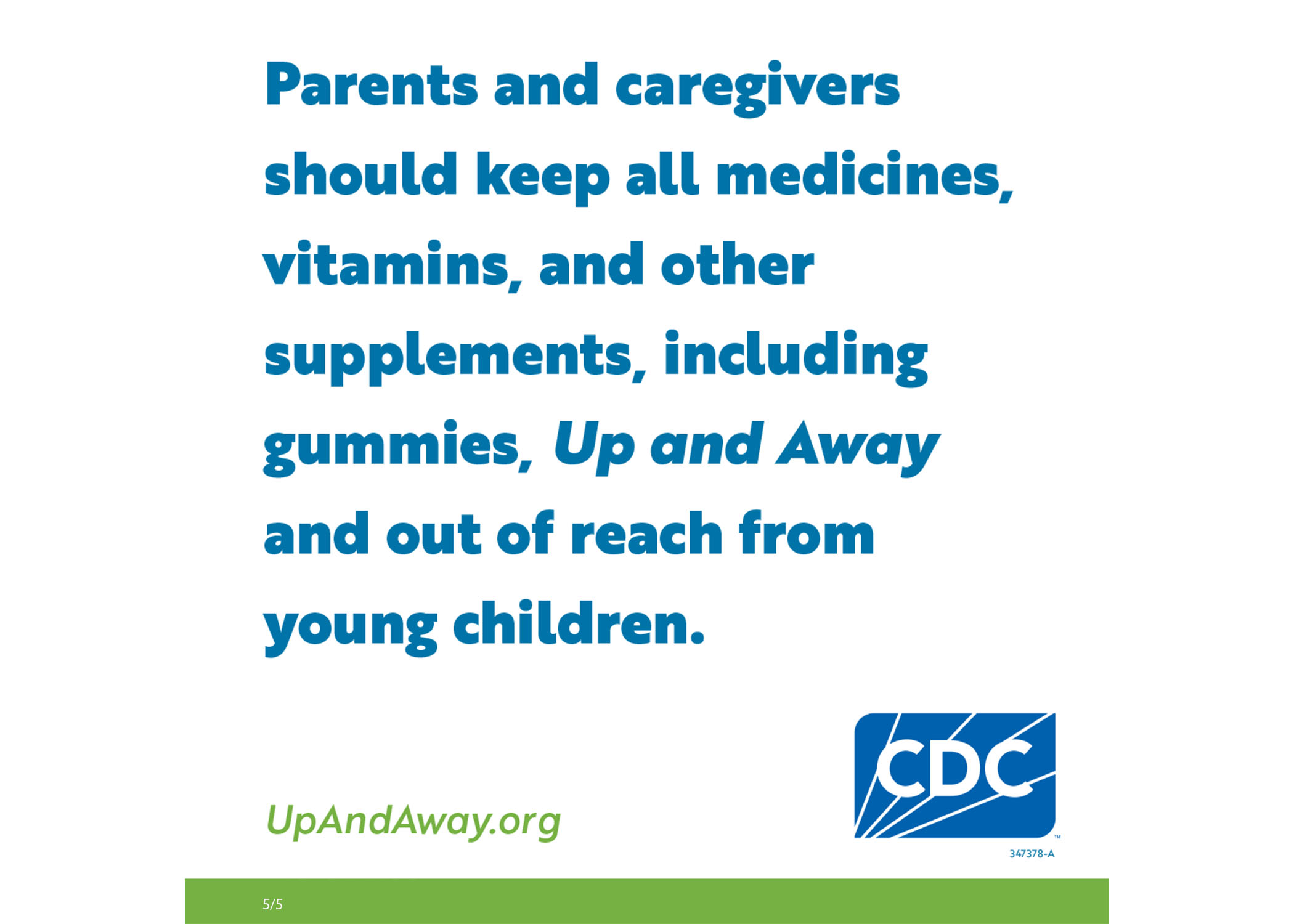
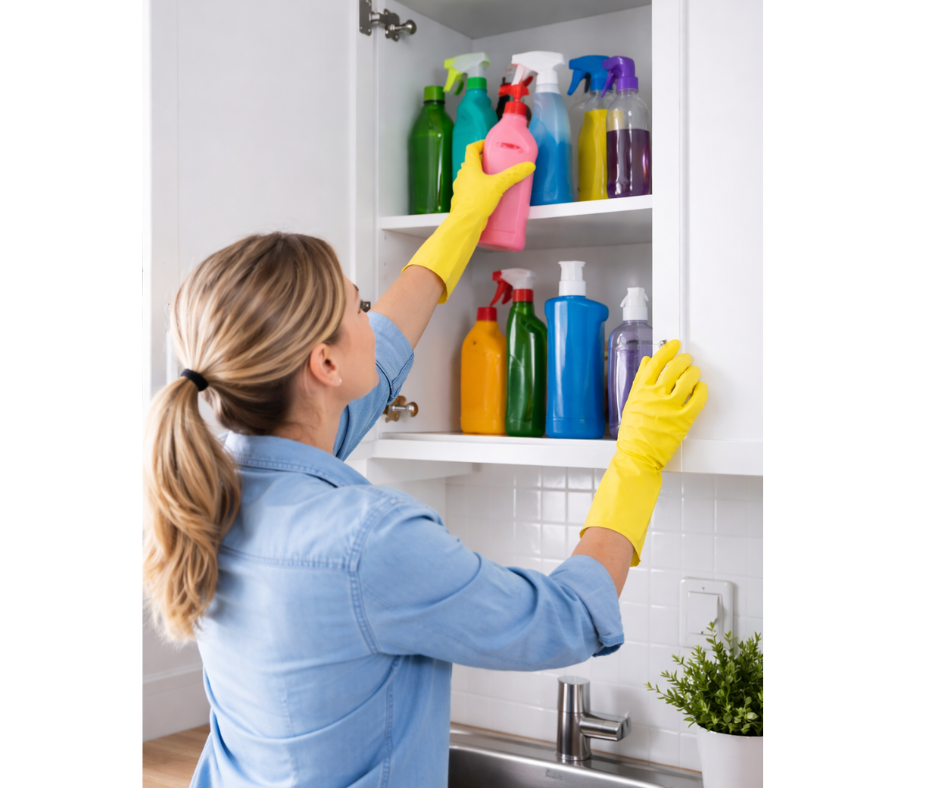
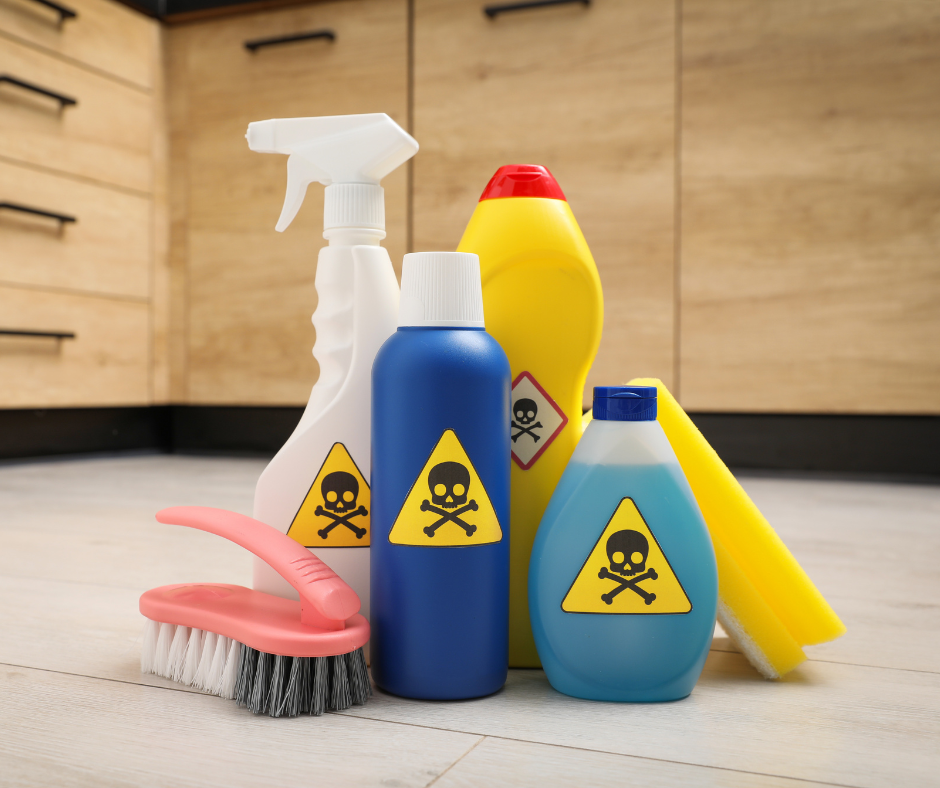
- Put household cleaning products up and away, out of children’s reach and sight. Make sure to put cleanings supplies and any poisons away after every use.
- Keep all household cleaning products in their original containers. Avoid putting cleaning products into a smaller container, such as an empty juice or water bottle, even if there is just a little bit left. A child may mistake it for something to drink. When buying products, look for child-resistant containers for an extra layer of protection.
- Remember products that might be harmful to kids. Check your home for products like cleaning supplies, liquid laundry packets, plants, pesticides, alcohol, and medicine. Keep personal care products such as lotion, makeup, cleanser and deodorant where kids cannot get into them.
- Check your handbags for potential hazards. Be aware of any medications or makeup that may be in your handbag. Store handbags out of the reach of young children.
Use Houshold Products Safely
- Read and follow product labels. Check for ingredients that can be harmful to kids and make sure you use and store products according to the label. Kids can get into things quickly, so remember not to leave cleaning products or personal care products unattended while you are using them.
- Dispose of old products properly. Check your bathroom, garage and other storage areas in your home for products you no longer need. Many household chemicals should be taken to a hazardous waste disposal site. For Grundy County residents, visit grundycountyil.gov for recycling information.

Check for Other Poisons in Your Home
- Check homes built before 1978 for lead-based paint. If lead hazards are identified, call the National Lead Information Center (1-800-424-5323) for detailed information.
- Check recalls.gov for more info on product recalls involving lead-based products. Follow the recommendations to get rid of any products like toys or cookware that contain lead.
- Install carbon monoxide (CO) alarms. Make sure there is one on every level of your home, especially around sleeping areas. If the CO alarm sounds, leave your home immediately and move to a safe location outside where you can breathe in fresh air before you call for help. Visit our Carbon Monoxide Safety Tips page for more information.
What to Do in a Poison Emergency
Save and Share the Poison Help number: 1-800-222-1222. Add the number to your contacts in your phone. The Poison Help line is not just for emergencies. You can call this free, 24-hour, confidential phone line with questions about how to take or give medicine, concerns about plants, chemicals, carbon monoxide, bites, stings and more. Not all poison emergencies happen at home. You could be on vacation or out for a hike, this number can be used anywhere in the U.S., including Alaska, Hawaii, and U.S. territories. Post the Poison Help number visibly in your home so other caregivers can find it in an emergency and encourage them to save the number in their phones.
For more poison prevention information, visit the American Association of Poison Control Centers and the Illinois Poison Center.
Keeping Pets Safe Around the Home
Pets are a part of our families, our best friends and so much more. ASPCA Animal Poison Control is a great resource for any animal poison-related emergency
ASPCA is based in Champaign, Illinois, and handles questions from the public much like IPC does for human poison exposure—24 hours a day, 365 days a year. If your pet or livestock ingested a potentially harmful substance, contact ASPCA experts by calling 1-888-426-4435. ASPCA may charge a consultation fee for the call, unlike IPC services that are free to the public.
Just as with human poison exposure, getting expert advice is essential to achieving the best outcome possible for your pet.
Other ASPCA links for pets:
Poisonous Household Products
People Foods to Avoid Feeding Your Pets
Seasonal Toxins
Plants toxic to dogs
Plants toxic to cats
Poisons in Nature
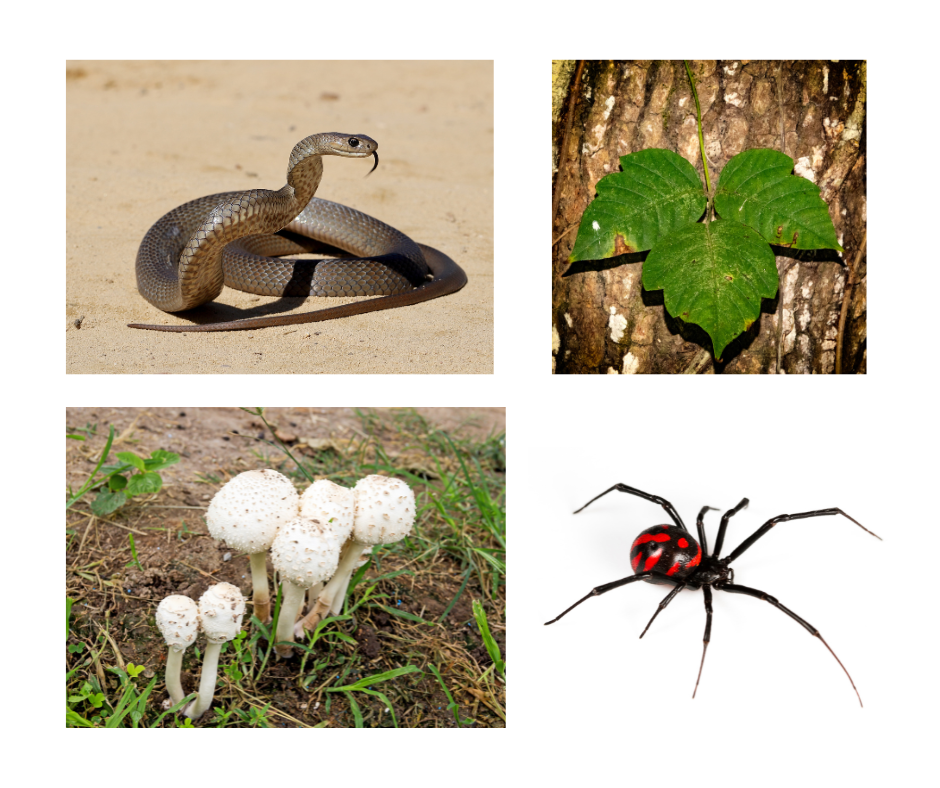
Not all poisons are found inside our homes—some of them are waiting for us outdoors. From plants and mushrooms to chemicals in garages and sheds, and even carbon monoxide from running engines, hazards can show up where we least expect them.
When spending time outside, be aware of unknown plants and berries, keep children away from lawn and pool chemicals, and never run vehicles or generators in enclosed or poorly ventilated areas. A little awareness goes a long way in preventing accidental poisonings and keeping your family safe—both indoors and out.
Click on the buttons below to find out more information.
Candy or Medicine? Keeping Children Safe
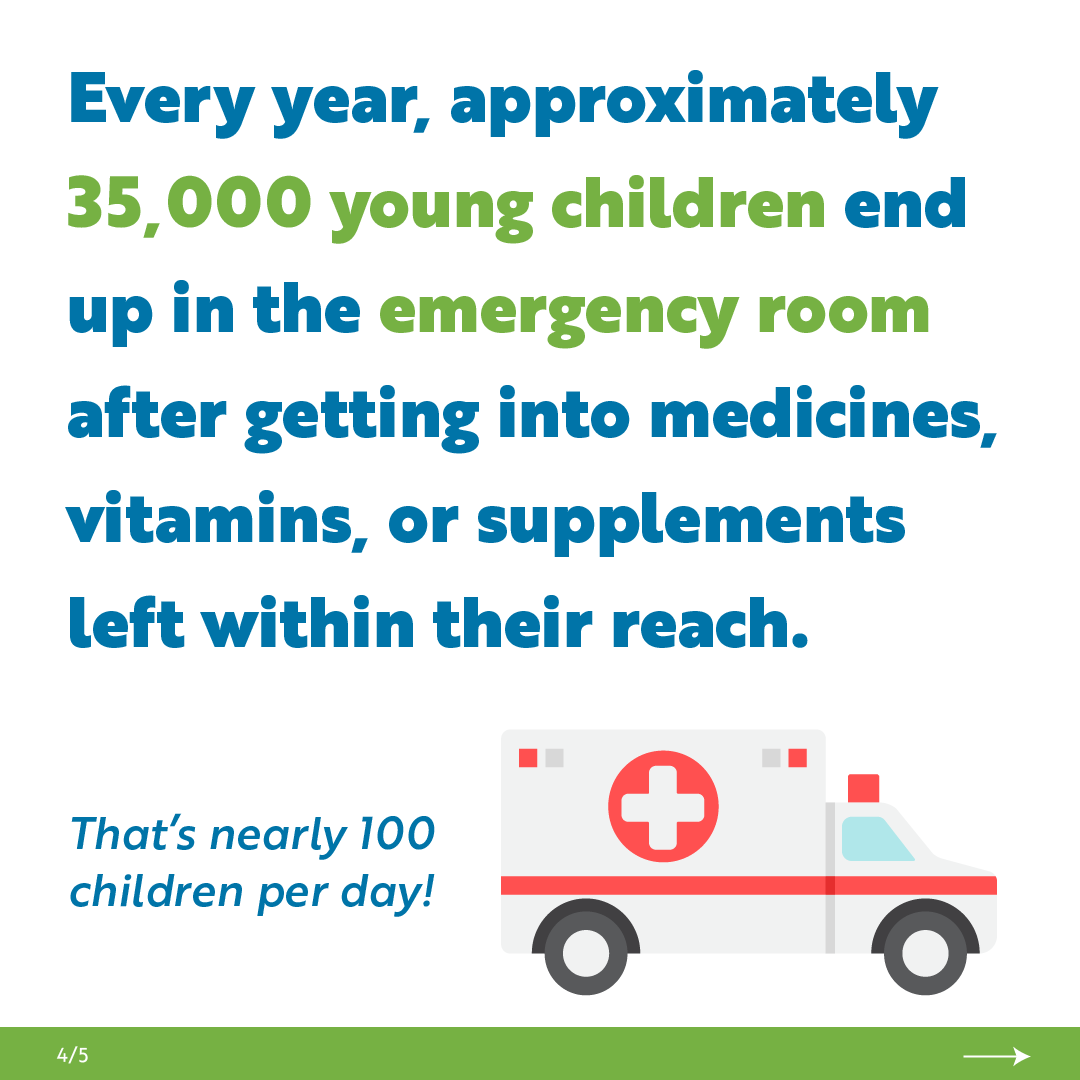
From vitamins to prescription medications and marijuana edibles, U.S. children are at greater risk than ever for accidental overdoses. In fact, these events are the leading cause of emergency department visits in young kids, according to the U.S. Centers for Disease Control and Prevention. About 35,000 children are admitted every year after ingesting products intended for adults.

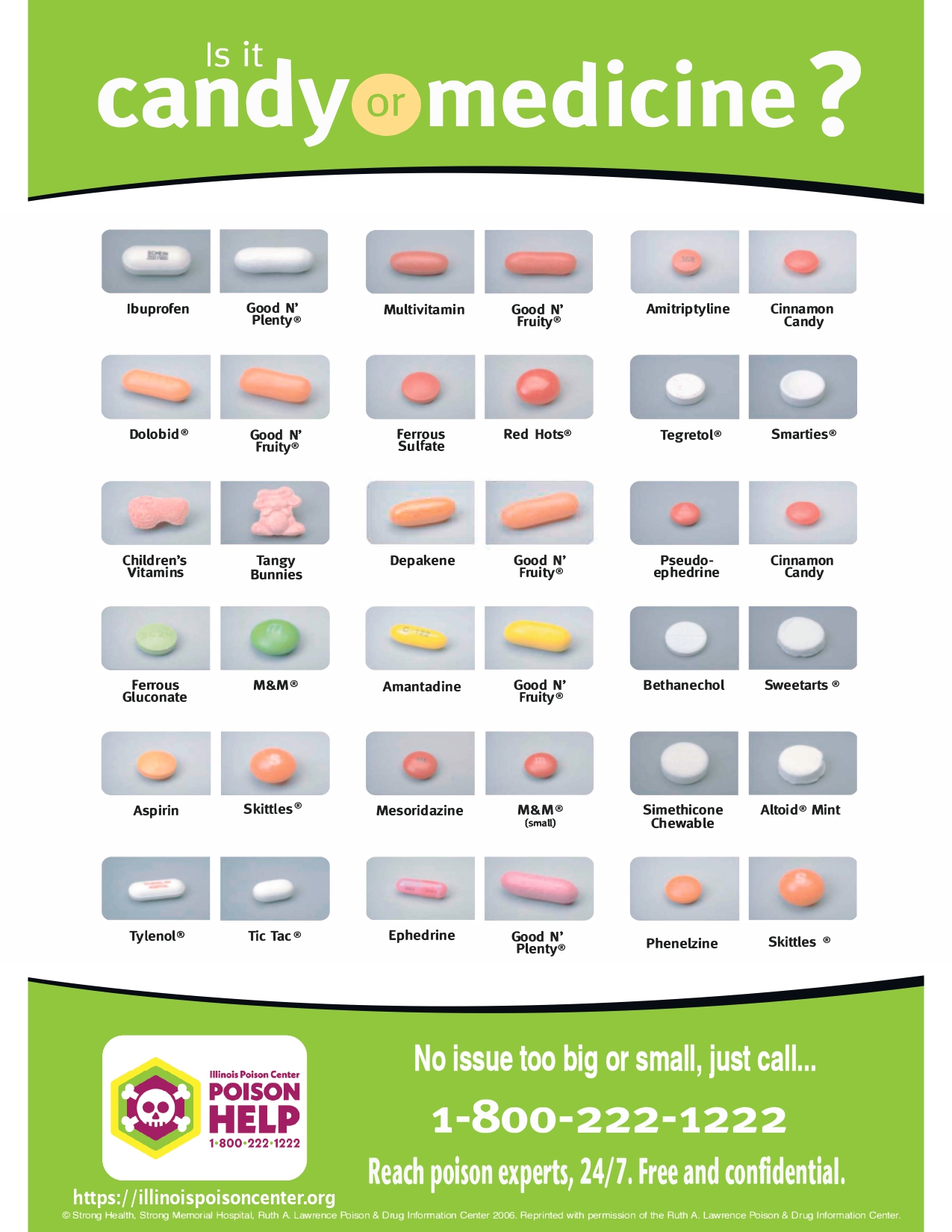
Click on the picture above to download and print out the PDF file.