
Stay Safe with Reliable Smoke Alarms
Protect Your Home and Loved Ones
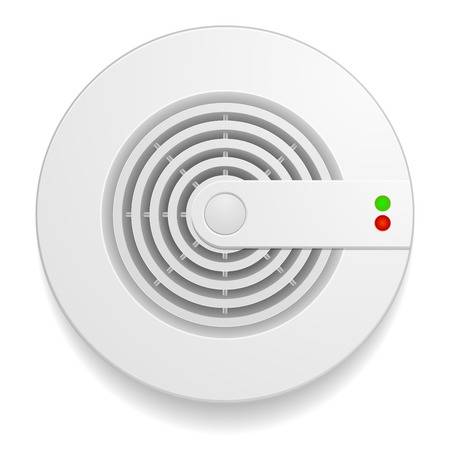
Understanding Smoke Alarms

Ionization vs Photoelectric - What's the difference?
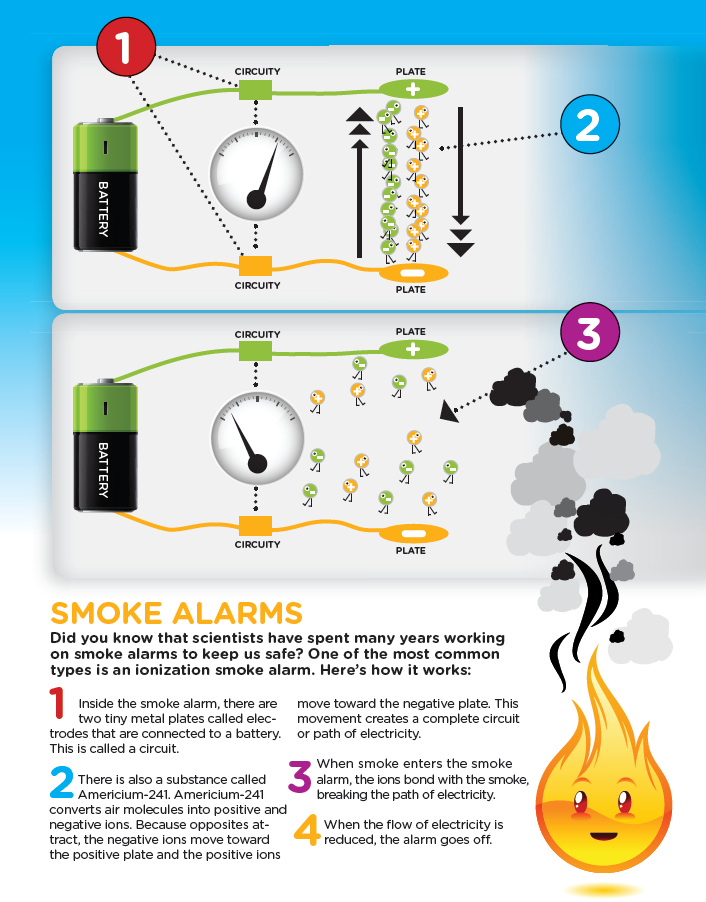
Ionization Smoke Alarms
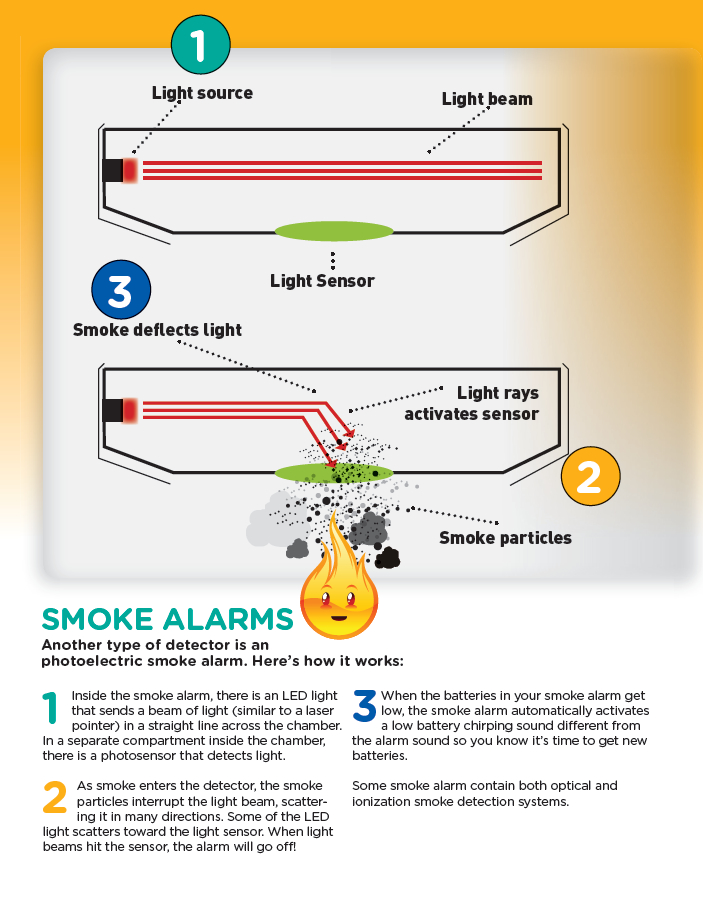
Photoelectric Smoke Alarms
Click on the pictures to download the PDF file.
Advanced Smoke Alarm Features
Dual-Sensor Technology
Wireless Interconnectivity
Battery Backup
Smart Home Integration
Essential Smoke Alarm Safety Tips
Test your smoke alarms monthly to ensure they are functioning properly and replace batteries at least once a year.
Smoke Alarms for People with Disabilities

Click on picture to download PDF file.
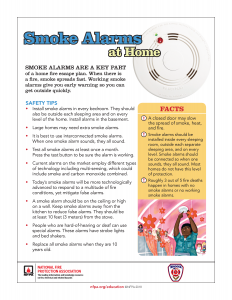
Smoke Alarm Safety Tips -English/Spanish
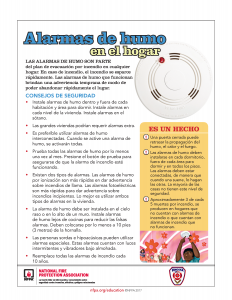
English Spanish
Click on picture to download PDF file.
Fire Safety and Smoke Alarm Statistics
Smoke alarms were present in three-quarters (74 %) of the reported home fires from 2018 to 2022. Nearly three out of five (59 %) home fire deaths were caused by fires in properties with no smoke alarms (43 %) or smoke alarms that failed to operate (16 %).

- Compared to reported home fires with no smoke alarms or automatic extinguishing systems (AES) present, the death rate per 1,000 reported fires was 90 percent lower when a smoke alarm was present in addition to the presence of an AES. 90%
- The death rate per 1,000 home structure fires is approximately 60 percent lower in homes with working smoke alarms than in homes with no alarms or none that operated. 60%
- Of the fire fatalities that occurred in homes with working smoke alarms, 28 percent occurred when the alarm failed to alert occupants 28%
For more statistical information on smoke alarms, visit the National Fire Protection Association.
Smoke Alarm FAQs

How often should I replace my smoke alarm batteries?
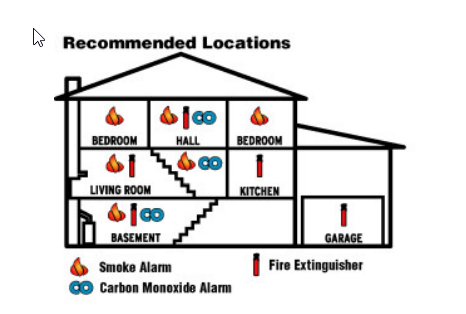
Where should smoke alarms be installed in my home?
What should I do if my smoke alarm goes off while cooking?
How can I maintain my smoke alarms?
What if I am renting a home or apartment?
All rental housing must have working smoke alarms. Contact your landlord or property manager for installation of smoke alarms. Maintenance of the smoke alarms may be the responsibility of the landlord or the renter, depending on the rental agreement.
What if someone cannot hear a smoke alarm because they are deaf or hard of hearing?
Install smoke alarms and alert devices that meet the needs of people who are deaf or hard of hearing, such as smoke alarms that have strobe lights that flash to alert someone of a possivle fire when they are awake. If they are asleep, use a pillow or bed shaker to wake them. This device is activated by the sound of a standard smoke alarm. People who are deaf my find that the shaker paired with a high-intensity strobe light is helpful to wake them. Choose smoke alarms and accessories for people who are deaf or hard of hearing that are listed by a qualified testing laboratory.