
Float Safe. Boat Smart.
Water and Boating Safety
Whether you’re boating, swimming, or enjoying time near the water, following simple safety practices helps protect you, your family, and our entire community.

Swimming Safety Tips for Parents
Key Supervision & Rules
- Active Supervision: Watch children constantly; do not rely on lifeguards. Stay within arm’s reach of inexperienced swimmers.
- Designated Water Watcher: In groups, assign a specific adult to monitor the pool for 15-minute intervals without distractions (no phones, socializing).
- Swim Buddy System: Never allow anyone to swim alone, regardless of their skill level.
- Enforce Rules: No running, pushing, or diving in shallow water.


Pool & Home Safety
- Fencing: Install a 4-sided isolation fence at least 4 feet high with self-closing/self-latching gates.
- Drain Safety: Teach children to stay away from pool drains to avoid suction entrapment.
- Remove Temptation: Remove toys from the pool area when not in use. Remove ladders from above ground pools, if possible.
- Empty Inflatables: Immediately empty kiddie pools after use.
Village of Minooka Ordinance- Swimming Pools
4-6-6: FENCE REGULATIONS:
-
- All outdoor swimming pools capable of holding two feet (2′) of water or more shall be completely enclosed by a fence or the yard in which the pool is located, shall be completely enclosed by a fence with a minimum height from the established grade of four feet (4′). All fence openings or points of entry into the pool area shall be equipped with self-closing gates. All gates shall be self-latching with the latches placed at least four feet (4′) above the ground. Fences shall be constructed so as to prohibit the passage of a sphere larger than four inches (4″) in diameter through any opening or under the fence. Self-contained fencing around the entire top portion of the pool shall be an acceptable alternative. A deck railing completely enclosing the pool shall be an acceptable alternative providing there is a self-latching gate.
- Aboveground pools must have a manually activated entrance ladder that can be locked in the upright position. (Ord. 2024-42, 10-22-2024)
Equipment & Training
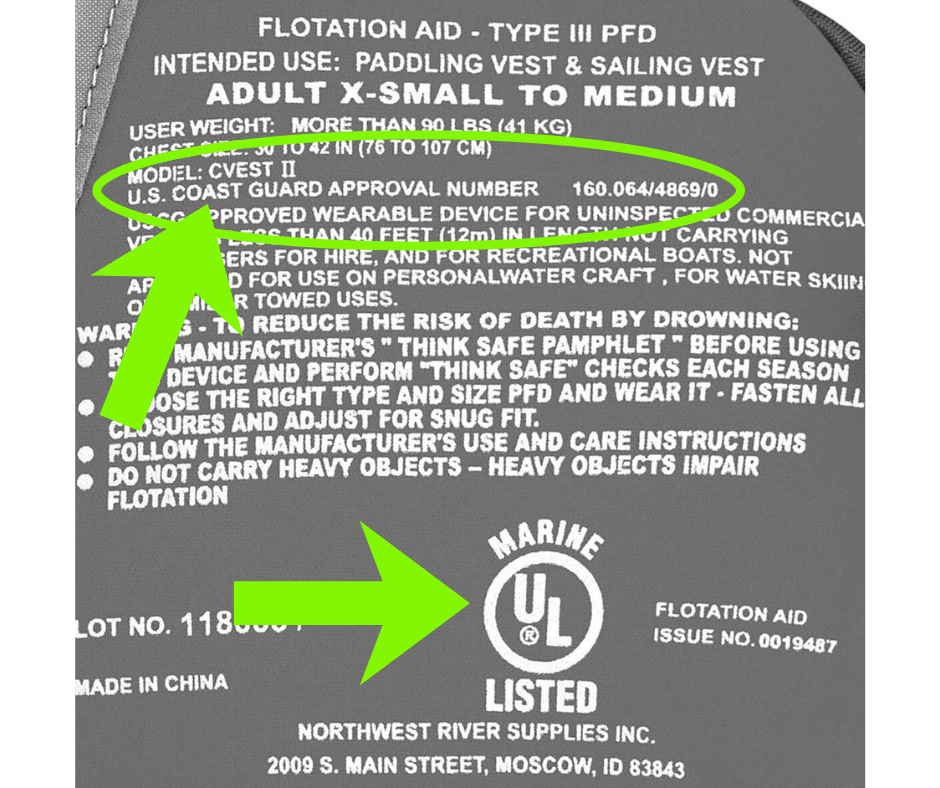
- Life Jackets: Use U.S. Coast Guard-approved jackets for weak swimmers; do not rely on water wings or toys.
- Swim Lessons: Enroll children in swimming lessons, but understand that lessons do not make a child “drown-proof”.
- Learn CPR: Parents and caregivers should know CPR.


Open Water (Beach/Lake)
- Lifeguarded Areas: Only swim in designated areas with lifeguards.
- Rip Currents: Teach children to swim parallel to the shore if caught in a rip current.
- No Diving: Avoid headfirst dives into unknown water.
Tips to Keep Your Pet Safe Around the Swimming Pool
Not every dog is a swimmer! While many of our four-legged friends were born for the water, some will sink straight to the bottom! If you have a swimming pool, you must be especially careful when watching your pets. Losing a pet to drowning is tragic, but it is also preventable. Luckily, here are some simple suggestions to keep Rover afloat.
- Not all pets are natural swimmers, so never assume they can swim. Invest in a pet life jacket.
- Keep an eye on your pet when they are in or near the water.
- Teach your pet where to safely enter and exit the pool. Pet friendly ladders can also be added to your pool.
- Install a safety fence around your pool.
- Add a pool alarm system. Consider purchasing a pool alarm system to make your swimming area safer.
- If a water injury occurs, take your pet to the vet immediately.
- Store pool chemicals in a safe area away from pet access.
- Keep your pool properly maintained. Bacteria in your pool water can make your pet sick.

Boating Safety Tips
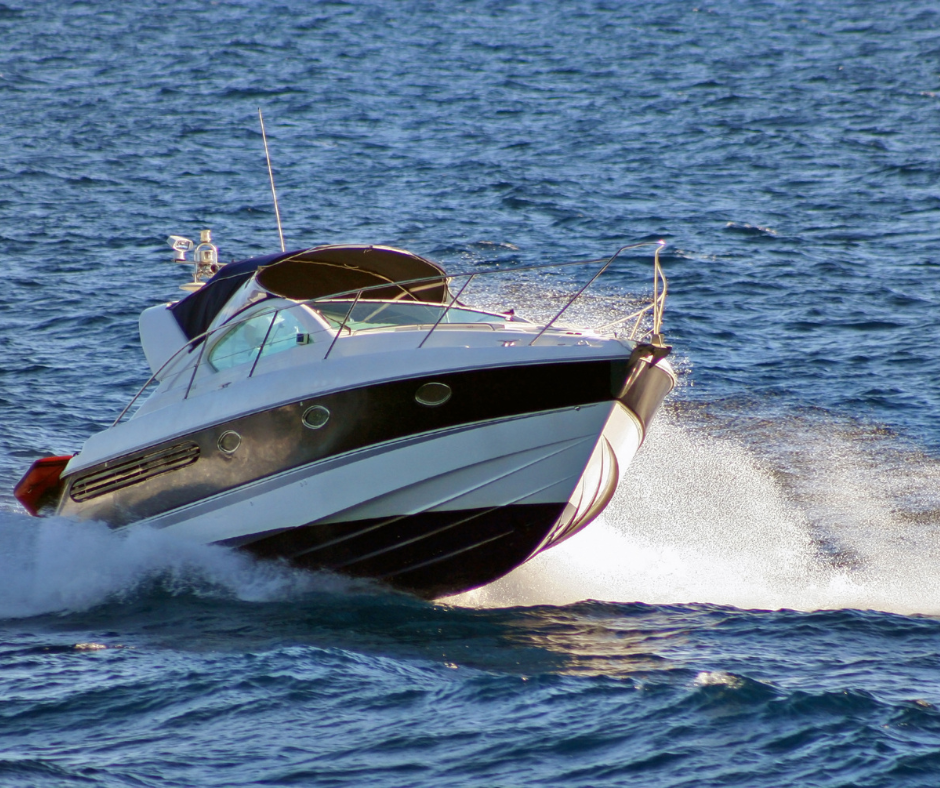
Visit the Illinois Department of Natual Resources on how to register a new boat in Illinois.
Illinois Boating Laws and Regulations
Every year, thousands of boating incidents are reported to the U.S. Coast Guard. Stay safe by being prepared and using the appropriate equipment, whether enjoying a ride on a motorized boat, paddling a kayak or wakeboarding.



WHO NEEDS A BOATER EDUCATION ID CARD IN ILLINOIS?
No person born on or after January 1, 1998, unless exempted by subsection (i), shall operate a motorboat with over 10 horse power unless that person has a valid Boating Safety Certificate issued by the Department of Natural Resources or an entity or organization recognized and approved by the Department.
Persons at least 12 years of age and less than 18 years of age may only operate a motorboat if:
- They have in possession a valid Boating Education Certificate of Competency issued by the Illinois Department of Natural Resources, Safety Education Division, or
- They are accompanied on the motorboat and under direct control of a parent of guardian, or a person at least 18 years of age designated by a parent or guardian.
No person under 10 years of age may operate a motorboat.
ILLINOIS LIFE JACKET REQUIREMENTS
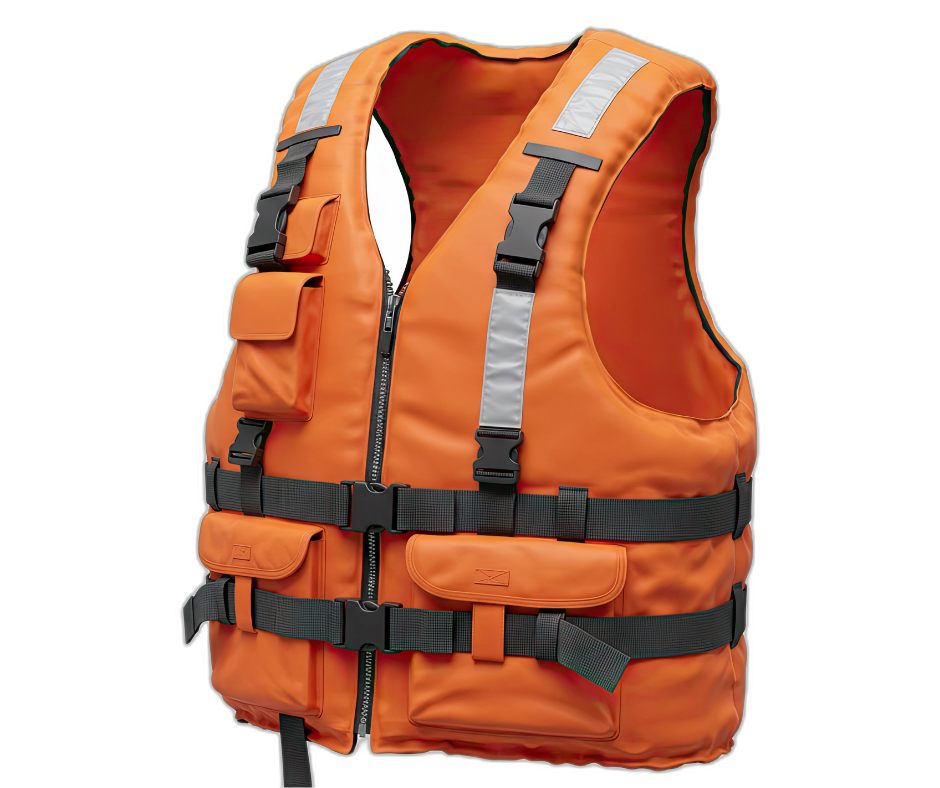
Illinois law requires that PFDs – life jackets or life vests – be available for each person aboard a boat or other watercraft. State law also requires that anyone under the age of 13 must wear a life jacket while aboard any watercraft under 26 feet in length at all times the boat is underway, unless they are below deck in an enclosed cabin or operating on private property. Illinois law also requires persons of any age to wear a PFD while operating a personal watercraft or Jet Ski.
BOAT REGISTRATION REQUIREMENTS IN ILLINOIS
If you want to operate a boat on Illinois’ waters, you may need to register and title your vessel with the IL Department of Natural Resources (DNR).
Continue reading for complete details about the boat registration and titling process, as well as the qualifications needed to operate a vessel in The Prairie State.
All vessels used on Illinois state waters must be titled and registered, with the following exceptions:
- Boats currently licensed in another state OR by the U.S. Coast Guard being used in Illinois for no longer than 60 consecutive days.
- Vessels registered in another country, temporarily being operated on Illinois waters.
- Boats owned by an entity of the United States government.
- Lifeboats used exclusively for that purpose.
- Boats competing in and designed for races approved by the Department of Natural Resources.
- Non-powered watercraft, such as:
- Canoes
- Kayaks
- Kiteboards
- Paddle boards
- Any other vessels not propelled by a sail or motor
BE PREPARED
Before setting out:
- Check that your equipment is in good working order; get a free vessel safety checkwith your local U.S. Coast Guard Auxiliary or U.S. Power Squadron
- Review a pre-departure checklist to ensure you have everything you need in your boat, including a tool kit and first-aid kit
- Before you leave, always file a float plan with someone you trust
- Dress properly and bring an extra set of clothes in case you get wet
- Don’t forget the sunscreen and know the signs of heat illnesses
- Check the weather forecast
BOATING AND ALCOHOL
Boating and alcohol laws vary from state to state. In Illinois is is illegal to operate any boat, or manipulate any waterski, surfboard, or similar device while under the influence of alcohol or drugs. It is illegal for the owner of any boat to knowingly allow the boat to be operated by a person who is intoxicated or under the influence of any narcotic drug, barbiturate, or marijuana.
In Illinois, a person is considered to be under the influence if:
- They have a Blood Alcohol Concentration (BAC) level of 0.08 or higher.
- They are under the influence of any other drug or combination of drugs to a degree which renders such person incapable of safely operating any watercraft.
- They are under the influence of any intoxicating compound or combination of intoxicating compounds to a degree that renders the person incapable of safely operating any watercraft.
- There is any amount of a drug, substance, or compound in the person’s blood or urine resulting from the unlawful use or consumption of cannabis, a controlled substance, or an intoxicating compound.
Penalties
In Illinois, a person convicted of operating a boat while under the influence of alcohol will be subject to the following penalties:
- Upon a first conviction: A fine of up to $2,500 and/or imprisonment for up to 1 year.
- A second or subsequent conviction can result in more severe fines and penalties.
If an operator with a previous conviction injures a person, or operates a boat while under the influence while their operator privileges are suspended, they may be charged with a class 4 felony.
If the operator causes the death of another person, they can be charged with a class 2 felony.
Any person operating a boat on Illinois waters is deemed to have given consent to a chemical test or tests of their blood, breath, urine, or other bodily substance for the purpose of determining the alcoholic content of their blood and the presence of an abused substance or controlled dangerous substance. Refusal to submit to testing will result in the loss of boat operating privileges for a period of 2 years.