
Every Cord, Outlet, and Circuit Matters.
Electrical Safety
Electricity makes our lives easier. However, we need to be cautious and keep safety in mind.
Safety Tips
Flipping a light switch. Plugging in a coffeemaker. Charging a laptop computer. These are second nature for most of us. Follow these safety tips to keep your family safe.
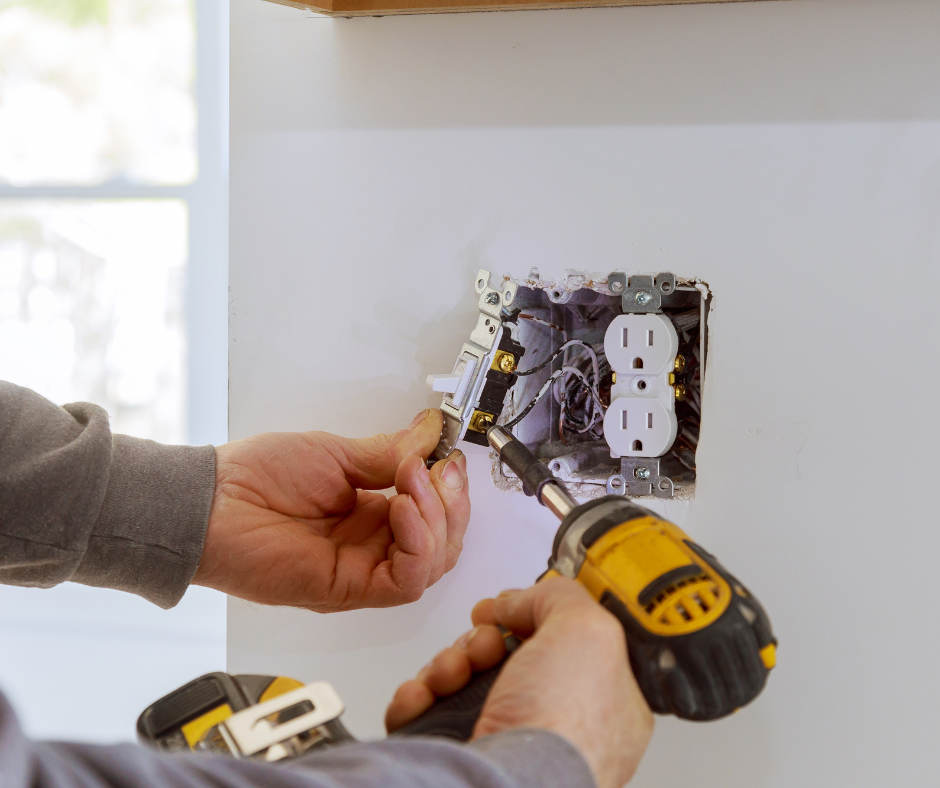
- Have all electrical work done by a qualified electrician.
- When you are buying or remodeling a home, have it inspected by a qualified electrician.
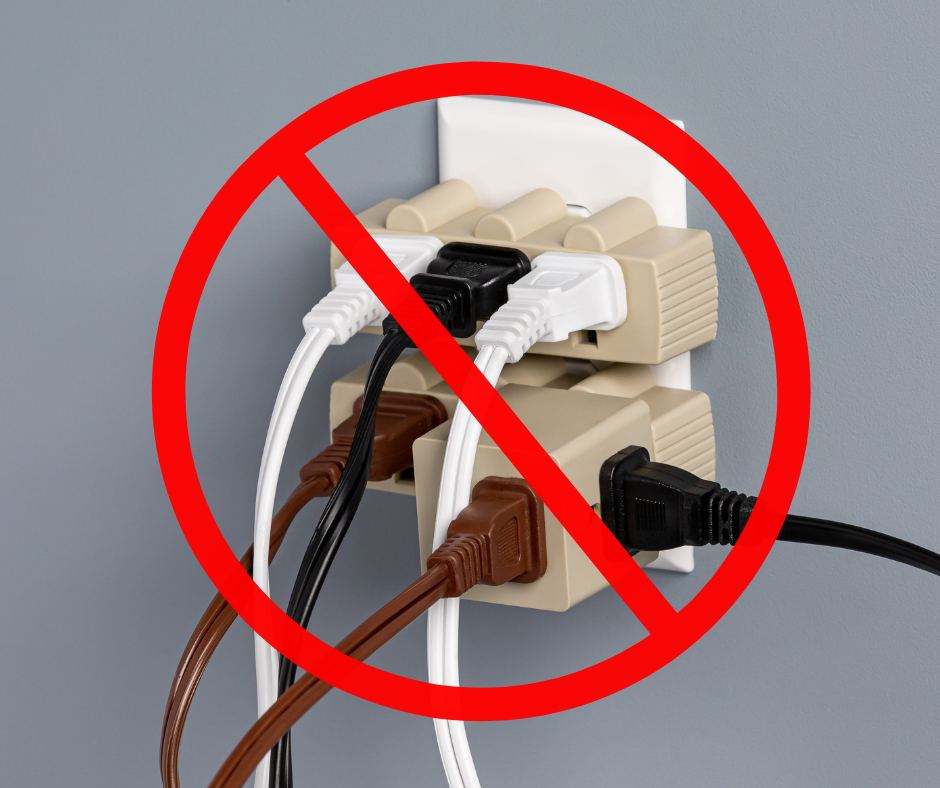
- Only plug one heat-producing appliance (such as a coffee maker, toaster, space heater, etc) into a receptacle outlet at a time.
- Major appliances (refrigerators, dryers, washers, stoves, air conditioners, etc.) should be plugged directly into a wall receptacle outlet. Extension cords and plugs strips should not be used.
- Arc fault circuit interrupters (AFCIs) are a kind of circuit breaker that shuts off electricity when a dangerous condition occurs. Consider having them installed in your home. Use a qualified electrician.
- Use ground fault circuit interrupters (GFCIs) to reduce the risk of shock hazard. They should be installed inside the home in bathrooms, kitchens, garages and basements. All outdoor receptacles should be GFCI protected.
- Test ACFIs and GFCIs once a month to make sure they are working properly.
- Check electrical cords to make sure they are not running across doorways or under carpets. Extention cords are intended for temporary use. Have a qualified electrician add more receptacle outlets so you don’t have to use extention cords.
- Use light bulbs that match the recommended wattage on the lamp fixture. There should be a sticker that indicates the maximum wattage light bulb to use.
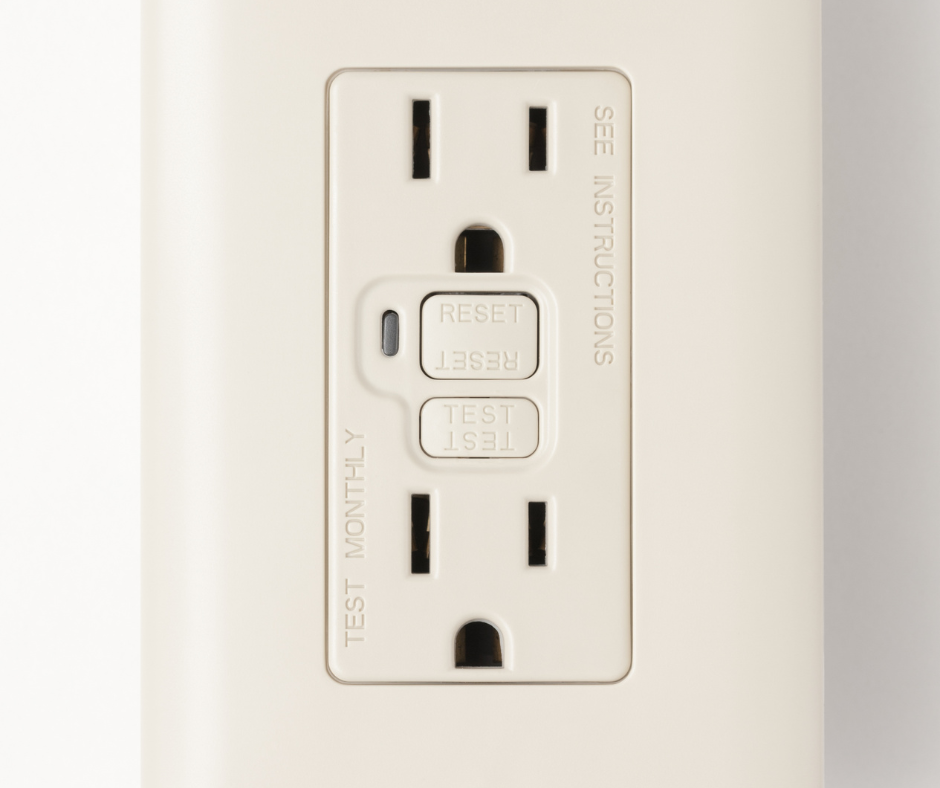
Ground Fault Circuit Interrupter (GFCI) outlet
Want to know the difference between AFCI and GFCI? Click here. Link will open up in a new tab.
IMPORTANT REMINDER
Call a qualified electrician or your landlord if you have:
• Frequent problems with blowing fuses or tripping circuit breakers
• A tingling feeling when you touch an electrical appliance
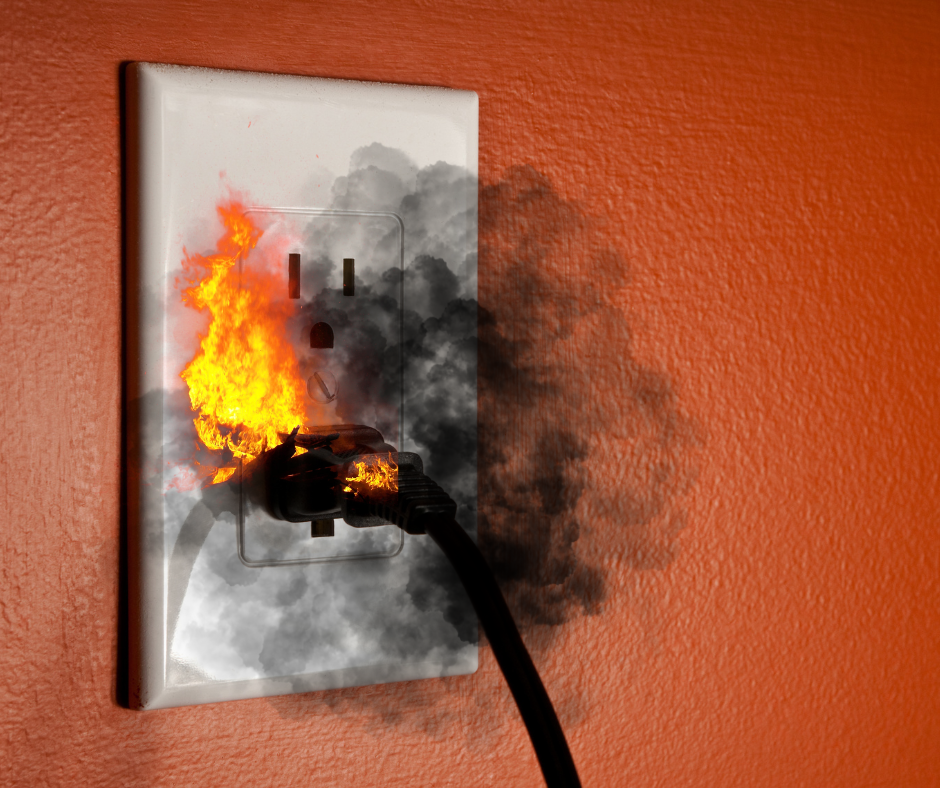
• Discolored or warm wall outlets
• A burning or rubbery smell coming from an appliance
• Flickering or dimming lights
• Sparks from an outlet
Outside Electrical Work
- Have a qualified electrician do all the electrical work.
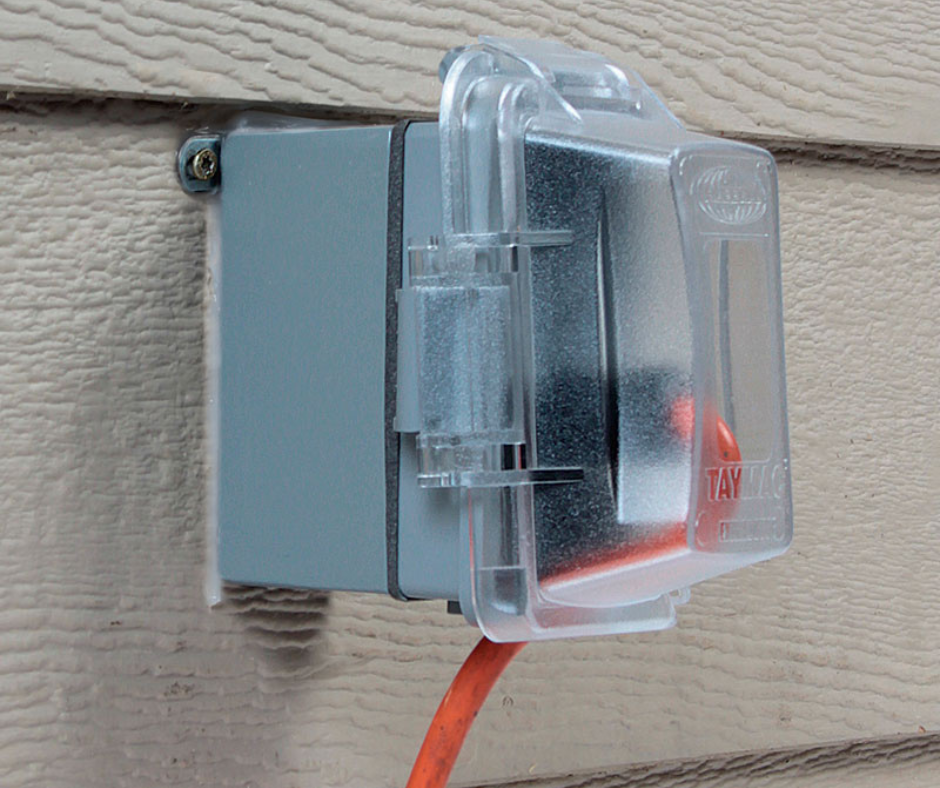
- To prevent an electrical shock, make sure all your outside electrical receptacles are GFCI (ground fault circuit interrupter) protected.
Equipment Safety
- Use lighting, power tools, and extension cords that have the label of an independent test laboratory and make sure they are made for outdoor use.
- Store your electrical tools indoors.
- Keep electric tools away from children.
- Keep the area around your electic meter and other electrical equipment clear.
- Check lighting and extension cords for damage before using. Replace any damaged cords righ away.
- Extension cords are not meant for long-term use.
Power Lines
Have a professional tree cutting service trim branches that might fall on electrical wiring. Use a wooden or fiberglass ladder outside. Keep the ladder at least 10 feet away from power lines. Never touch anyone or anything in contact with a downed wire. Power lines may be live, stay a safe distance away. Report downed wires to authorities right away.
Source: National Fire Protection District
*Link will open up in a new tab
⚠️ IMPORTANT REMINDER
Call “JULIE Before You Dig” (8-1-1) before any digging on your property. They will mark where your underground utilities are located. It’s a free service!
Electrical Safety Around Swimming Pools, Hot Tubs, and Spas

For many of us, water activities equal fun. But it’s important to be aware of electrical hazards while enjoying the water. Know how to be safe around swimming pools, hot tubs, and spas.
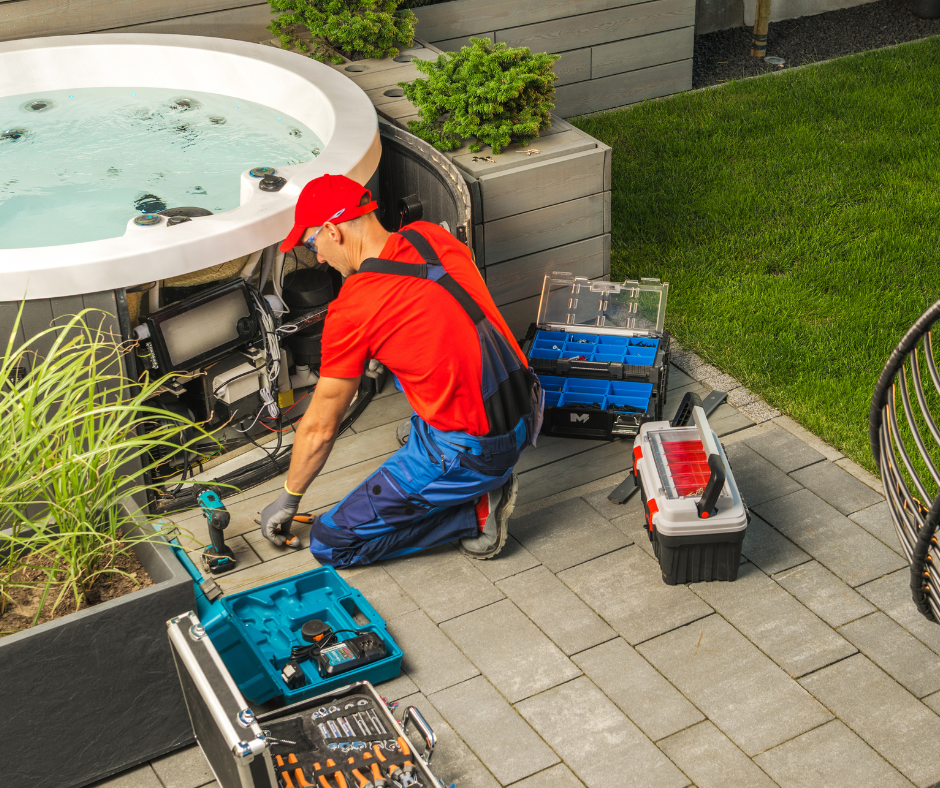
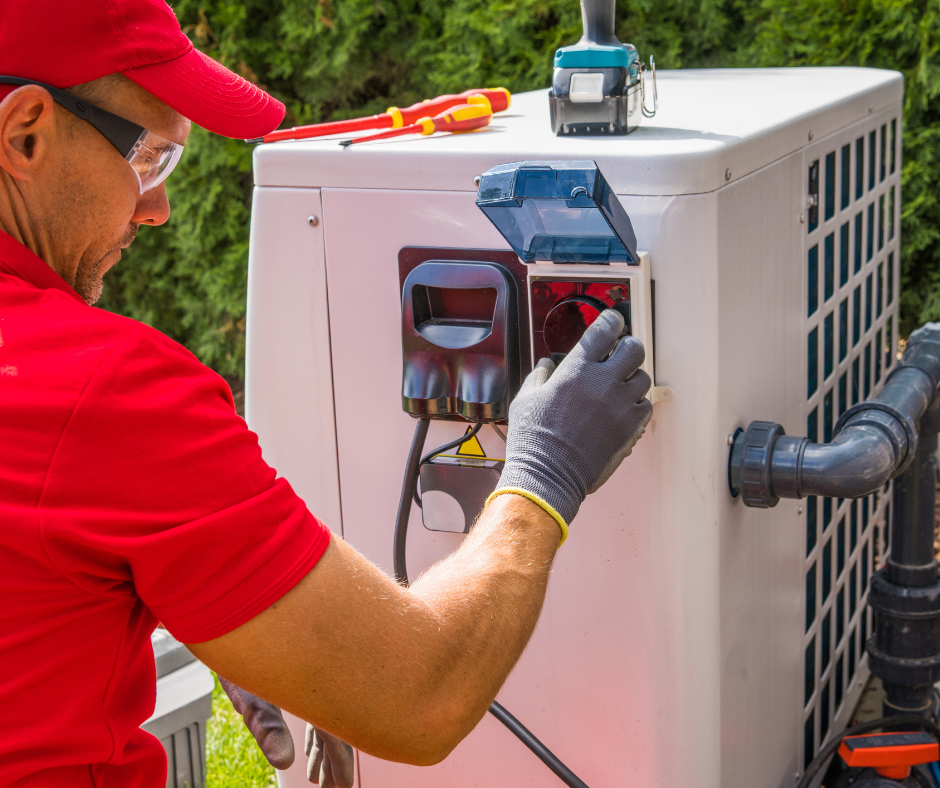
- If you are putting in a new pool, hot tub, or spa be sure the wiring is performed by an electrician experienced in the special safety requirements for these types of installations.
- Outdoor receptacles must have covers that keep them dry even when appliances are plugged into them.
- Ground-fault circuit interrupters (GFCIs) are special devices designed to protect against electric shock and electrocution. They are required for most pool, spa or hot tub equipment. They may be in the form of an outlet or a circuit breaker. Test the GFCIs monthly according to the manufacturer’s instructions.
- Electrical appliances, equipment, and cords should be kept at least 6 feet away from the water. When possible, use battery operated appliances and equipment, such as televisions, radios, and stereos.
- Avoid handling electrical devices when you are wet.
- Make sure that any overhead lines maintain the proper distance over a pool and other structures, such as a diving board. If unsure, contact a qualified electrician or your local utility company to make sure power lines are
a safe distance away. - Do not swim during a thunderstorm.
- Have a qualified electrician periodically inspect and—where necessary—replace or upgrade the electrical devices or equipment that keep your pool, spa, or hot tub electrically safe.
- Have a qualified electrician show you how to turn off all power in case of an emergency.
Source: National Fire Protection Association
Link will open up in a new window.