
Fire and Weather Safety for
Manufactured Homes
If buying or renting a manufactured home is in your future, make sure you keep fire and weather safety in mind.
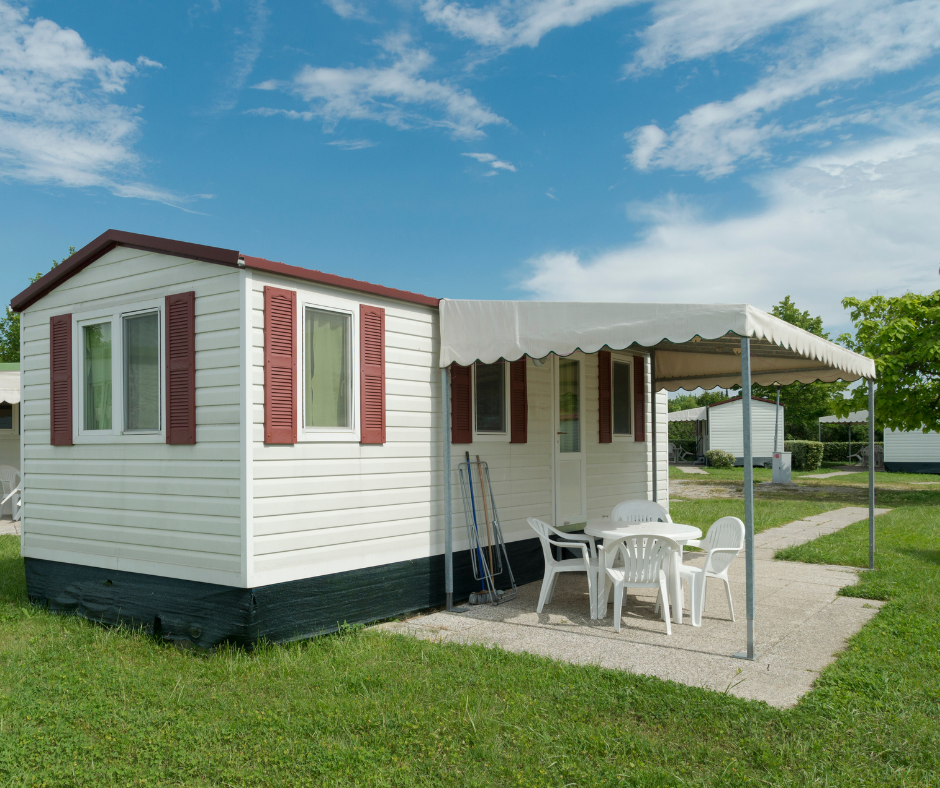
By following a few tips and knowing the facts and the safety requirements for manufactured homes, you can help keep your family safe.
Fire Safety
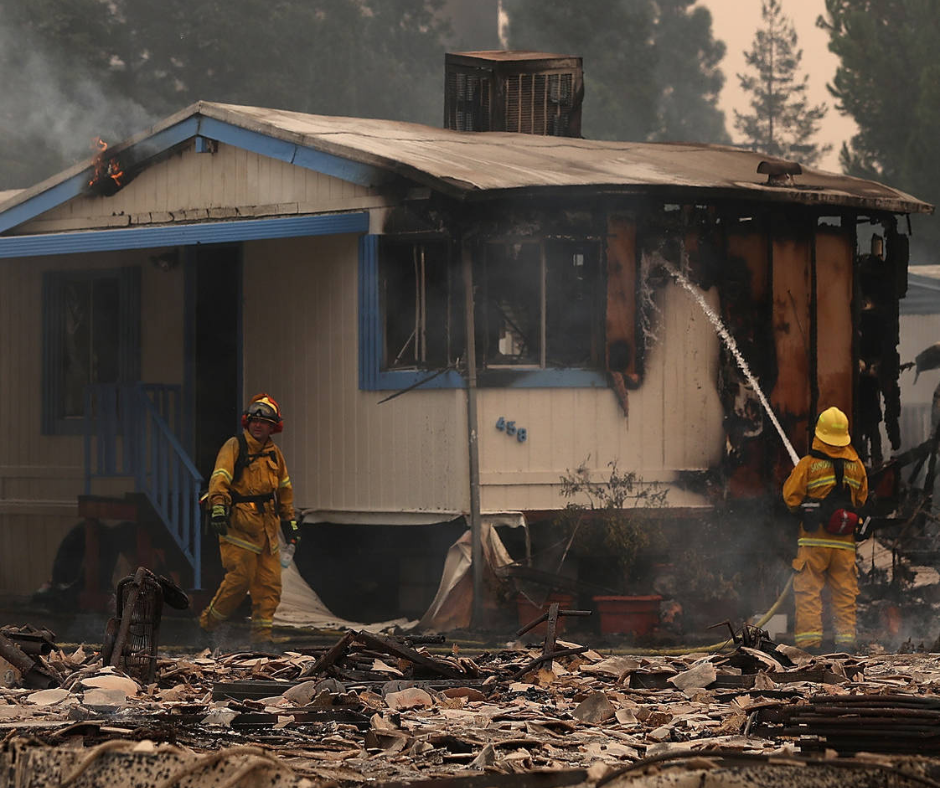
- CHOOSE a home built after 1976 that has the HUD label certifying that it meets certain minimum safety standards.
- Be sure your home has enough smoke alarms. You need a smoke alarm inside each bedroom, outside each sleeping area and in or near the family/living room area(s). For best protection, interconnect all smoke alarms so when one sounds, they all sound.
- TEST smoke alarms at least once a month.
- HAVE a home fire escape plan that includes two ways out of every room and outside meeting place. Make sure all ways out of the home are easy to use. Practice your fire dill at least twice a year.
- If smoke alarms sound when you are cooking, consider moving the alarm further from the kitchen area or install a photoelectric type alarm which is less sensitive to cooking.
- NEVER remove or disable a smoke alarm
- CONSIDER having a licensed electrician inspect the electrical system to be sure it is safe and meets the applicable National Electric Code requirements.
- Always stay in the kitchen when frying on the stovetop.
- Have smokers smoke outside the home. Provide large non-tip ashtrays and empty them frequently. Douse butts with water before throwing away.
- Keep space heaters at least three feet away from anything that can burn. Buy space heaters with automatic shut-off switches. Turn off portable space heaters before falling asleep or when leaving a room.
- Never leave a lit candle unattended. Blow out candles when you leave the room or go to sleep.
- Keep gasoline, charcoal lighter and other flammable liquids locked in an outdoor shed. Never store items under the home. Store firewood away from the home.
Severe Weather Safety
Sources: National Fire Protection Association and National Weather Service
All links will open up in a new tab.
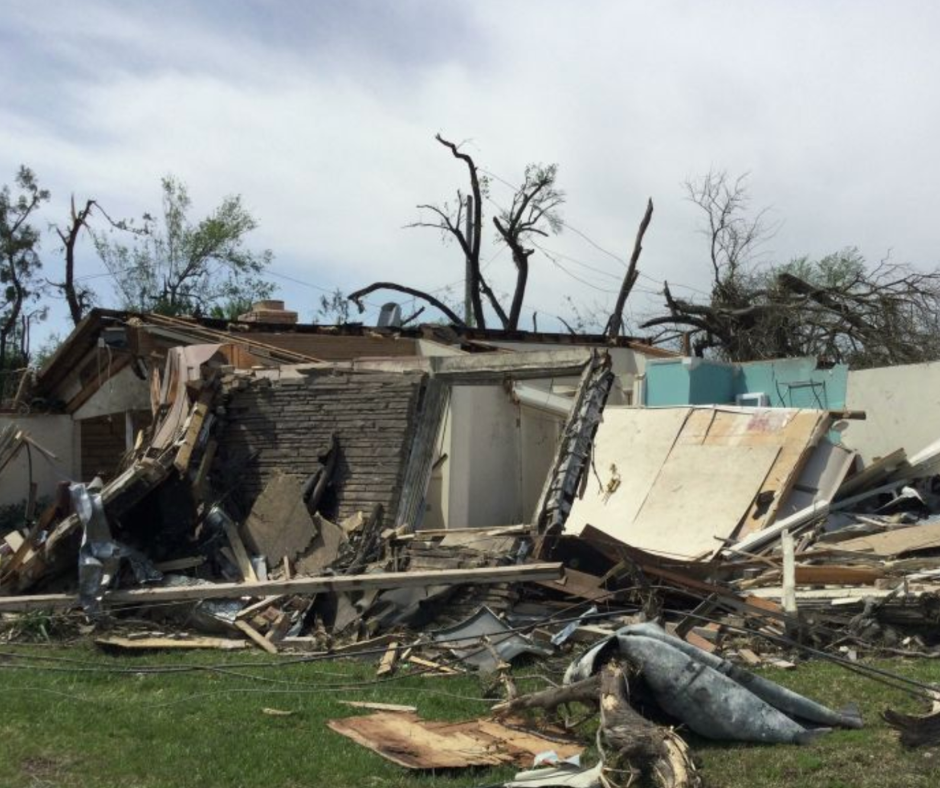
If you live in or have family that live in a mobile or manufactured home, it’s important to identify a safer structure to evacuate to before storms hit. Safer structures include single family homes, designated tornado shelters, buildings built with reinforced concrete, and designated community buildings like arenas, churches, and industrial buildings.
3 Step Plan
Step 1: Every Day – Monitor the National Weather Service forecasts and make a tornado sheltering plan or review your current plan. Know your evacuation route from your home and how long it takes to evacuate to a safer place.
Step 2: (Day Before Severe Weather Starts) – When severe weather/tornadoes are in the forecast, coordinate with family and friends to spend time at their home when the storms threaten or identify a community place to go to.
⚠️ IMPORTANT: Minooka government buildings and Minooka Fire Stations are NOT authorized storm shelters. Please make your plans in advance and do not rely on these facilities as a storm shelter.
Step 3: (Day of Severe Weather) – When a TORNADO WATCH is in effect, that is the time to be ready to evacuate to your safe place quickly. In some cases, when a TORNADO WARNING is issued, it may be too dangerous to take your evacuation route. Thus, you may need to evacuate your mobile home before warnings are issued and storms hit.